

Opinion: Truss deals could yet prove disastrous for farmers
 © Tim Scrivener
 Regular readers of this column will know that I do tend to bang on about how much I dislike Brexit.
But it’s now just over a decade since the result of the EU in/out referendum and, let’s be honest, for a predominantly beef and sheep farm like mine, times could have been worse, with market prices holding up well.
But with beef prices dropping by nearly £1/kg in the past couple of months, am I starting to see the first signs of the catastrophic economic impact of Brexit on my farm that I always feared?
See also: Opinion – it’s time for NFU to revisit suckler cow headage payments
About the author

I was never very keen on the idea of leaving the EU. It’s famous for supporting its farmers with subsidies and for having some of the most protectionist tariffs on food imports anywhere on earth.
So, as a famer, what was not to like? I’ve also never regarded British agriculture as particularly efficient in global terms, as we just don’t have the scale, climate or regulatory environment to compete.
But not even in my wildest Brexit nightmares did I imagine that, within two years of the UK leaving the EU in 2020, a British trade secretary, Liz Truss, would negotiate free-trade deals with both Australia and New Zealand in 2021 that, from 2032, will allow unlimited quantities of import-tariff-free lamb, beef and dairy products into the UK from both those countries.
Even arch Brexiter and former Tory environment secretary George Eustice at the time of Truss’s deals described them as “not actually a very good deal for the UK” that gave away “too much”.
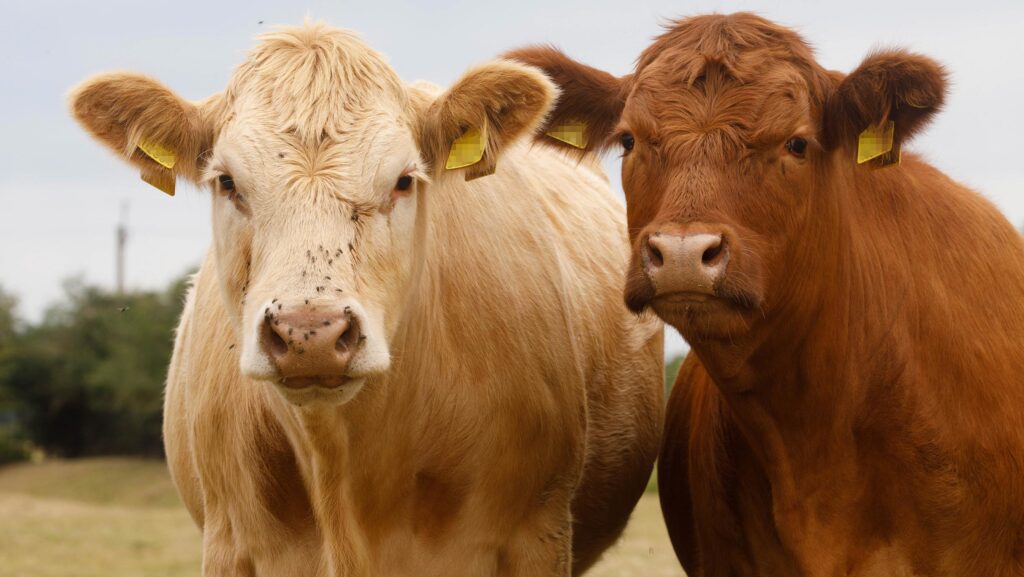
A main enterprise on my farm is my herd of 90 purebred Sussex beef cows and their followers and, for the past 12 months, finished cattle prices have been riding high, with the price remaining constantly above £6.50/kg deadweight.
This lulled me into the suitably bovine state of thinking that, even with the Truss free-trade deals in place, perhaps things were going to be all right for UK cattle farmers post-Brexit after-all?
But, behind the scenes, the UK beef market has been changing radically as Australian tariff-free beef quota has increased and imports have started to make their presence felt.
Fresh and frozen Australian beef shipments have increased by 150% year on year in the early months of this year as Australian beef exports to major markets like China have been restricted.
Australia has a quota to export 50,000t of beef to the UK this year, rising to 110,000t by 2032, with unlimited quantities having access to the UK beyond that.
So far, these imports have tended to be prime cuts like sirloin and fillet into the food-service sector and restaurants, and have quickly displaced Republic of Ireland beef, which used to make up the bulk of any shortfall in UK beef production.
I’m trying not to panic. But in only six years’ time, I will be expected to compete toe-to-toe with some of the most low-cost beef producers in the world, who are suddenly free to send as much tariff-free beef, lamb and diary product to the UK as they like.
Liz Truss may not have lasted long as prime minister, but I have a horrible feeling that she will long be remembered by UK beef, sheep and dairy farmers as the trade secretary that sowed seeds of disaster for British livestock farming.