

Pig and poultry sectors drive further cuts in antibiotic use
 © Tim Scrivener
UK livestock farmers have made further progress in reducing antibiotic use, with significant cuts recorded in the pig and poultry sectors, new industry figures show.
The latest Targets Task Force 3 (TTF3) report (opens in PDF), published by Ruma Agriculture on 17 November, highlights further reductions among pig and poultry producers during 2025, while identifying areas where better data and continued progress are needed.
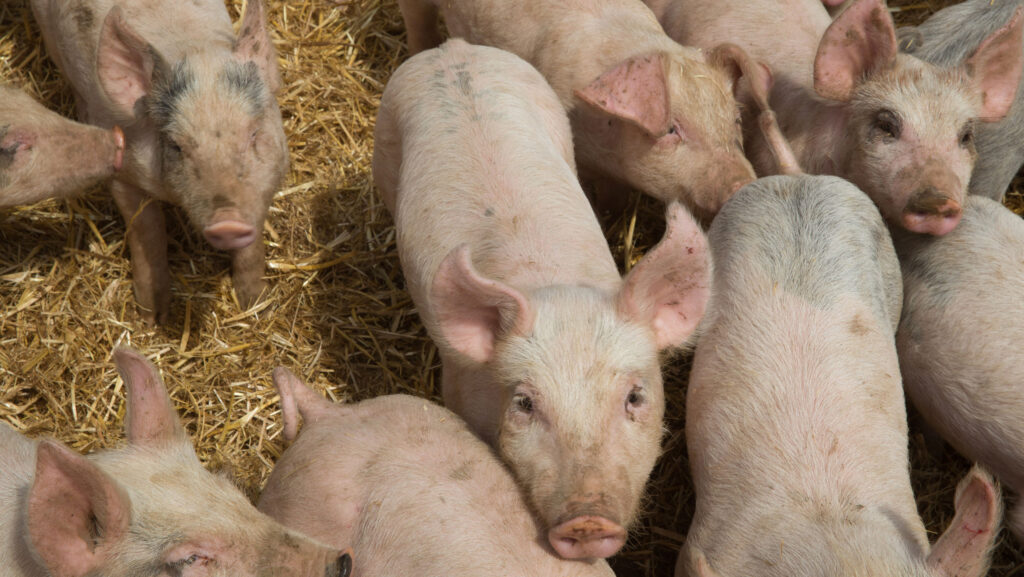
Antibiotic use in pigs fell by 10% year-on-year to 77.2mg/PCU, continuing a long-term decline of 72% since electronic recording began in 2015.
See also: 6 ways to manage antibiotics usage in pigs
Use of highest-priority critically important antibiotics (HP-CIAs) remained very low, accounting for just 0.01% of total pig antibiotic use, with no colistin recorded.
The poultry meat sector reported its lowest antibiotic use on record at 11.15t, an 86.4% reduction from its 2012 baseline.
Use of critically important antibiotics has fallen by 96.8% over the same period, while the industry has now completed a 10th consecutive year without prophylactic antibiotic use.
Laying hen producers also remained within stewardship targets, with just 0.254% of bird days treated in 2025, against a target of 1%.
Ruminant sector
In the ruminant sector, the UK Ruminant Antibiotic Stewardship Roadmap, launched in October, aims to improve antibiotic-use monitoring and demonstrate progress across cattle and sheep farming.
While data collection remains a challenge in the cattle and sheep sectors, the AHDB’s Medicine Hub now contains records from 9,086 dairy, beef and sheep enterprises.
Although not yet representative of the wider industry, the TTF3 report says the emerging data suggest antibiotic use is relatively low, with HP-CIA use remaining “minimal across the ruminant sector”.
The report also highlights continued reductions in antibiotic use in dairy farming.
Sales of lactating cow tubes fell by 9% year-on-year to 0.34 DCDVet, representing a 60% reduction since 2016, while sales of injectable HP-CIA products licensed for use in cattle remain 81% lower than in 2014.
The picture was more mixed in gamebirds, where antibiotic use rose by about 3% to 11.4t in 2025. However, HP-CIA use fell from 45.1kg to 15kg, accounting for just 0.1% of overall antibiotic use.
TTF is a voluntary initiative bringing farmers, vets and livestock organisations together to set targets and monitor responsible antibiotic use.
Reducing unnecessary use is important in tackling antimicrobial resistance (AMR), where bacteria develop the ability to survive medicines designed to kill them, making infections harder to treat in animals and people.
Reaction
Ruma chairman James Russell said the results reflected farmers’ and vets’ commitment to responsible antibiotic use, but stressed that this did not simply mean using less.
“It means ensuring antibiotics remain available when animals genuinely need them, while continually striving to reduce preventable disease and improve health outcomes,” he said.
The report was published alongside the latest UK Veterinary Antimicrobial Resistance and Sales Surveillance (UK-VARSS) report (opens in PDF), which found overall antibiotic sales for animals rose by 2% between 2024 and 2025, but remained 56% below 2014 levels.
Veterinary Medicines Directorate chief executive Abi Seager said the figures demonstrated farmers’ and vets’ continued commitment to protecting animal health while safeguarding the effectiveness of antibiotics for the future.