

Plant-based dairy swap raises iodine concerns, study finds
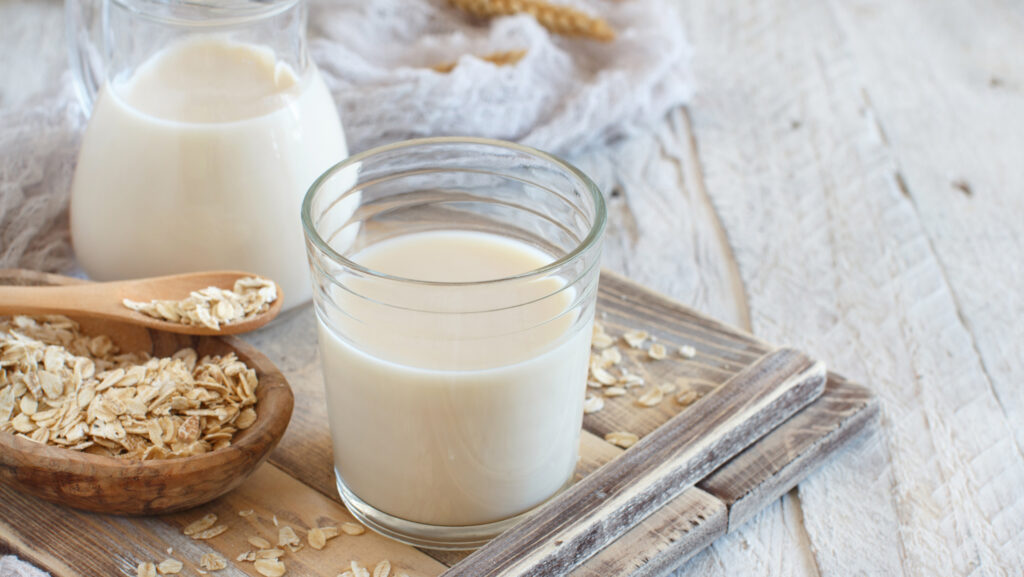 © Adobe Stock
Replacing dairy with plant-based alternatives like oat and almond milks could increase the risk of inadequate iodine intake among teenage girls and young women, according to new UK research published in The Lancet Planetary Health.
Researchers from the University of Surrey and Queen’s University Belfast modelled the effect of replacing milk, cheese and yoghurt with plant-based alternatives at levels reflecting net-zero and EAT-Lancet dietary targets.
They used dietary data from more than 3,500 people and nutritional information from 289 plant-based products. Just 12% of the alternatives contained added iodine.
See also: Milk buyers hold December prices despite weaker dairy markets
The modelling suggested that iodine inadequacy among girls aged 14-18 could rise from 54% to 65% if 35% of dairy products were replaced with plant-based alternatives. Among women aged 19-49, the proportion was projected to increase from 32% to 42%.
With a complete replacement of dairy, iodine inadequacy was projected to reach 80% among teenage girls and 72% among teenage boys.
Lead author Dr Sarah Bath said: “Iodine is particularly important during pregnancy, when the requirement increases, but it is also essential prior to pregnancy to ensure that stores are optimised.
“People are also unaware that dairy products are a major source of iodine, particularly in the UK, and that plant-based alternatives, unless fortified, have a very low iodine content.”
Reaction
Commenting via the Science Media Centre, Prof Tom Sanders of King’s College London said the findings were largely as expected, with people consuming plant-based dairy alternatives having lower intakes of nutrients typically supplied by milk, including vitamin B12, calcium, riboflavin and iodine.
While some products are fortified, he noted that “mammalian milk also makes an important contribution to calcium intake”.
But he added: “Milk is not naturally high in iodine: the high levels found in milk are because dairy cattle are given ‘salt licks’ that contain supplemental iodine.”
Prof Sanders questioned whether iodine deficiency could reliably be predicted from dietary intake records and warned that “any argument for mandatory fortification of bread with iodine would require a careful risk-benefit analysis”.
Prof Jules Griffin, director of the Rowett Institute at the University of Aberdeen, said the research highlighted the nutritional importance of dairy products, particularly for children and adolescents.
But he added: “Personally, I would opt for policies to make dairy production more sustainable as a better planetary health strategy than the promotion of plant-based dairy alternatives and large-scale fortification.”