

Red meat sector risks losing critical mass, warns AHDB director
 © Adobe Stock
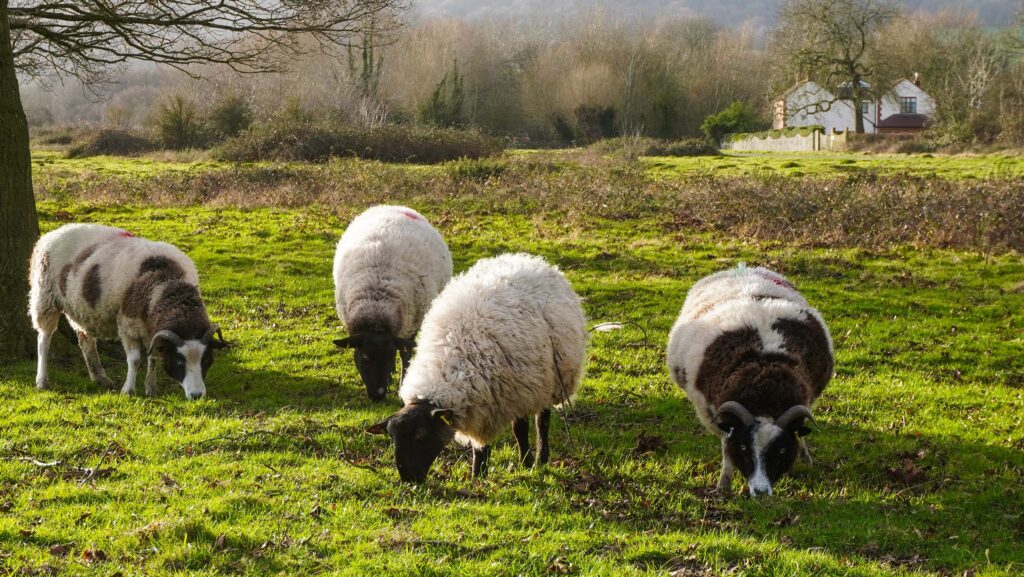
 Britain’s shrinking cattle and sheep herds are putting the red meat supply chain at risk of losing the “critical mass” needed to remain competitive, the new AHDB Beef and Lamb sector director has warned.
Speaking four weeks after taking up the role, Prys Morgan said continued declines in breeding stock reflected weak confidence across the sector, despite livestock prices remaining close to record highs.
The latest Defra figures show the UK suckler herd fell to 1.24 million head in December 2025, down 3% year on year and 14% lower than in 2020.
See also: HCC launches campaign to boost demand for Welsh red meat
Meanwhile, the UK’s breeding ewe flock dropped to a provisional 13 million head, down 0.7% on the year and 8% below levels seen five years ago.
“Although prices are at or near record highs, profitability remains a challenge for many businesses,” Mr Morgan told Farmers Weekly at the Royal Welsh Show.
“That is affecting the sector’s critical mass and its ability to attract young people into farming.”
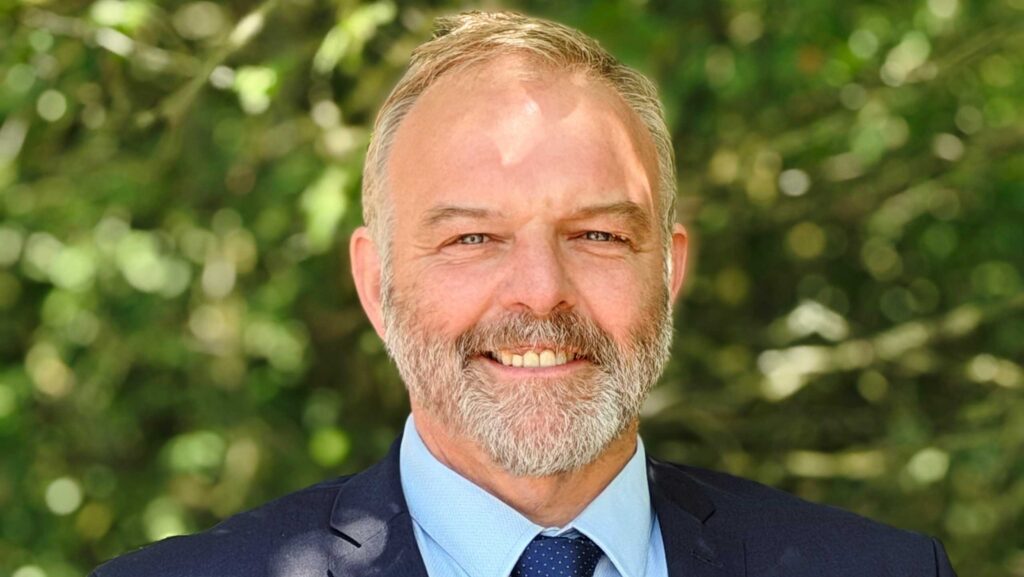
AHDB Beef and Lamb sector director Prys Morgan © AHDB
Multiple challenges
He said rising labour and fuel costs, the loss of direct support payments and wider uncertainty over policy and trade were weighing on investment decisions.
“There is an overall decline in livestock numbers. The industry responds well when it is given the right incentives and clear direction, but you can’t just switch on farming. It takes years.”
Mr Morgan warned the effect was already being felt further along the supply chain.
“We’ve seen rationalisation within the processing sector over the years. Plants have become bigger, and that’s probably down to the narrow margins businesses are operating under.”
A sheep and beef farmer from Mid Wales, Mr Morgan said retaining experienced producers was just as important as attracting new entrants.
“We need to keep the people that are already in the industry. There are some really good, experienced people. It takes years to become a farmer.”
Green credentials
He said the industry also needed to do more to promote its environmental and nutritional credentials.
“The narrative needs to change,” he said, arguing farmers must do a better job of explaining the wider benefits they deliver, from food production to environmental improvements.
He added that early findings from AHDB’s environmental baselining project suggested managed grassland was storing significantly more carbon than previously thought, with full results due to be published this autumn.
Mr Morgan joined AHDB at the end of June after roles with meat processor Kepak and Welsh red meat levy body Hybu Cig Cymru.
His warning comes as the industry grapples with declining livestock numbers and the challenge of maintaining food production, processing capacity and confidence across the supply chain while meeting environmental goals.