

Three new areas added to badger vaccination project
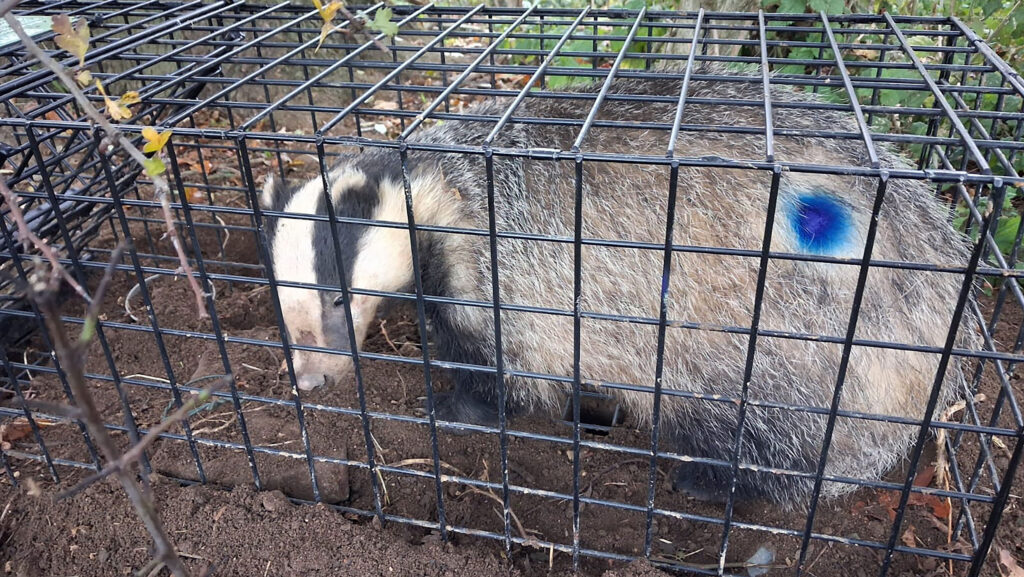 © Hurst Animal Health
A government-funded badger vaccination programme is set to expand into three new areas of England, while increasing its coverage in existing project areas as efforts to tackle bovine TB gather pace.
Defra formally adopted the co-designed refreshed bovine TB control strategy last week, reaffirming its ambition to achieve TB-free status in England by 2038.
The plan includes rolling out badger vaccination in priority areas through the Badger Vaccination Field Force (BVFF), alongside expanded cattle testing, development of a cattle vaccine and increased wildlife surveillance.
See also: Defra adopts refreshed bovine TB strategy for England
The BVFF will enter its second year by extending operations into selected parts of Staffordshire, North Oxfordshire and Devon. It will also increase its target land coverage in South Oxfordshire, North Worcestershire and North Shropshire from 30% to 70%.
Recruitment of farms will take place this winter with vaccination starting in May 2027, alongside continuing vaccination in the initial project areas.
Dr Lindsay Heasman, BVFF project manager, said: “We are looking to sign up new farms in all six areas this winter with a view to beginning vaccination when the season opens in May 2027.”
There was strong uptake from farmers, landowners and veterinary practices during the first year, Dr Heasman noted.
She said the response had “demonstrated a willingness among farming communities to get involved and look at all options to help tackle the disease”.
How to sign up
Kate Bowen, from Farmcare Solutions, the project’s national co-ordinator and delivery lead, urged farmers, landowners and others interested in badger vaccination work to register their interest at bvff.co.uk.
Badger vaccination is intended to reduce infection and transmission within populations, complementing cattle testing, movement controls and improved farm biosecurity.
The expansion will provide a further opportunity to assess how vaccination can be delivered across different farming communities and landscapes.
The NFU has previously called for vaccination to be assessed against measurable disease-control outcomes, including herd breakdowns and movement restrictions, arguing that all available tools should remain part of the eradication strategy.