Tiah faces uncertain future as chair defends £8m public spend
 © utah778/iStockphoto
The chairman of the Institute for Agriculture and Horticulture (Tiah) has defended its record after about £8m of public expenditure failed to establish a financially sustainable membership model.
Matt Naylor acknowledged that the government-backed organisation had not attracted enough paying members to sustain its ambitious learning platform, forcing it to abandon subscriptions, refund members and restructure its workforce.
See also: Horticulture and poultry seasonal worker numbers held for 2027
Defra’s published expenditure figures show approximately £8m was spent on Tiah between 2021-22 and 2025-26, when its five-year grant programme ended.
Mr Naylor, who became chairman last year, said the original scheme had been established in a different economic climate.
“The withdrawal of direct payments, poor commodity prices, the liberalisation of our markets and the spike in input costs have been a giant mouthful of unpleasant pills that farmers have had to swallow,” he said.
“It’s perfectly understandable to me why farmers are trying to cut spending and are focused on immediate challenges rather than on their professional development.”
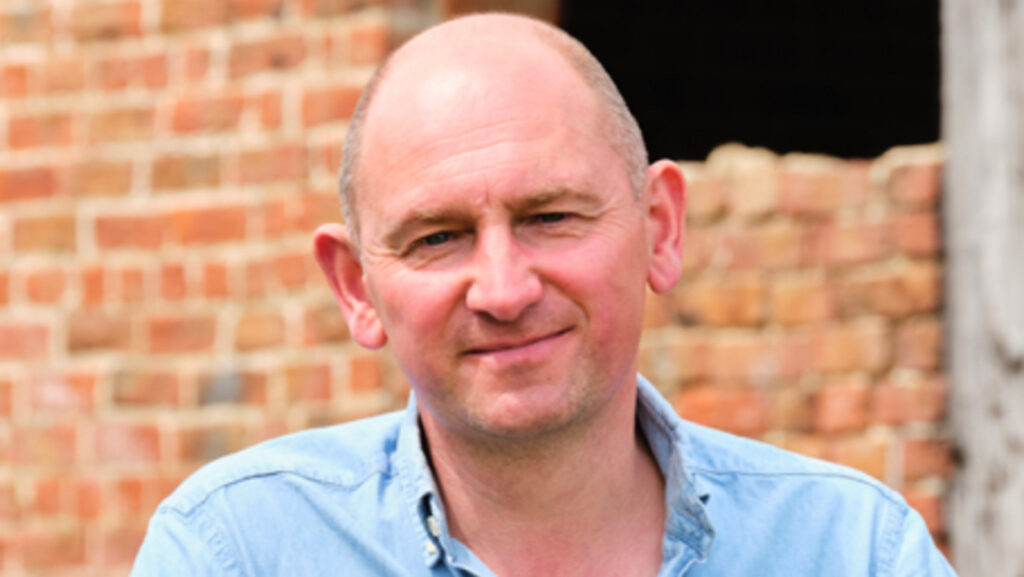
Matt Naylor © Tiah
He acknowledged that the organisation had struggled to attract sufficient paying members.
“It was clear very early on that, while the charity had excellent uptake from young people and students, it wasn’t getting sufficient fee-paying users to afford the high cost of running the complex learning platform that the contract created,” he said.
Despite repeated requests, Tiah has yet to provide Farmers Weekly with its original membership forecasts, actual paying membership figures or subscription income.
Expensive platform mothballed
The original learning platform has a reported book value of approximately £1.5m, while annual licensing costs had reached £300,000 by the time Mr Naylor joined to take up his unpaid position.
He attributed the expense partly to government procurement requirements restricting the choice of IT providers.
“The trustees decided that it was in the industry’s immediate best interests to park the functionality of that platform and to move all the learning modules to a much lower cost site,” he said.
“It means we can now provide all farmers with free training to help in this period of intense cost pressure.”
The original platform remains suspended in case it is needed again.
Asked whether taxpayers had received value for money, Mr Naylor defended the scale of the investment.
“I wouldn’t consider it a big investment in terms of Defra’s total budget or compared with the institute’s original ambition. It was a smaller annual sum than some individual farms received as their yearly single farm payment.”
But he added: “I do share the concern about value for money. My own business has to pay the government a decent seven-figure sum in taxes every year and it’s hard to earn it, so I don’t want it to be wasted.”
Tiah has also reduced its workforce and moved towards freelance support, although requests for figures on job losses were unanswered.
Uncertain future
The charity has sufficient residual funding to support activities through 2027, but has yet to establish a long-term funding model.
Mr Naylor is proposing that Tiah become an independent co-ordinating body for agricultural skills providers, working more closely with government and industry organisations.
“The fragmentation in skills provision and the gaps and overlap between them makes life confusing for farmers and policymakers,” he said.
“We need joined up thinking when it comes to government policy, education, CPD and careers so we can give new entrants and active farmers really clear information about how they can build their knowledge and demonstrate their capabilities to improve their careers and businesses.”
Asked what measurable outcomes would demonstrate success over five years, he admitted: “I don’t have an answer there.”
But he insisted that abandoning the wider ambition would be a mistake.
“Politicians and the farming industry have a dreadful habit of creating shiny new initiatives to solve a problem and then walking away from them when things get tricky,” he said.
“Then they start the cycle all over again.”