

UK food production falls as farm losses mount, NFU warns
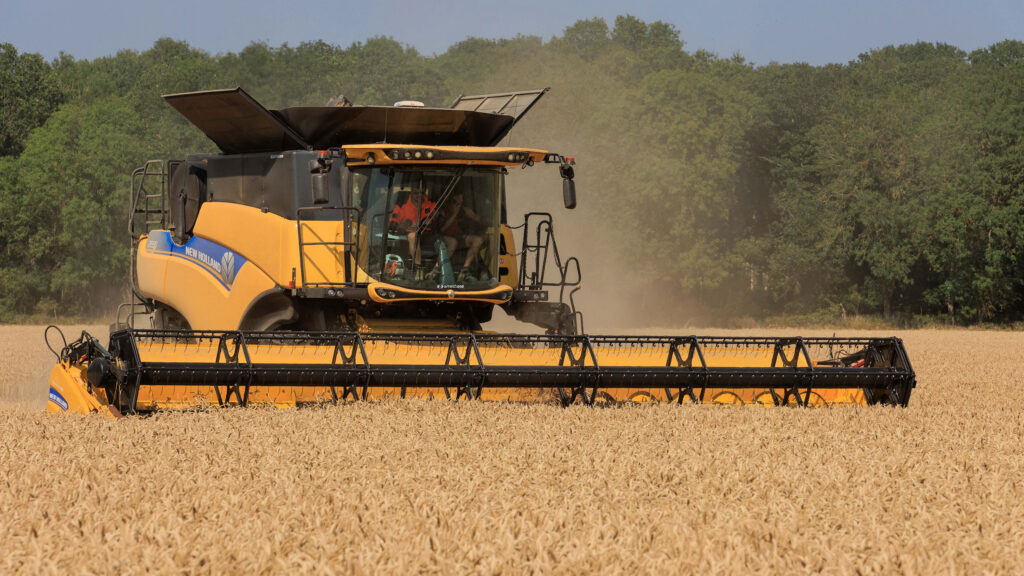 © Tim Scrivener
 Britain’s food production is in decline just as farmers face mounting losses, with the NFU warning that the country is becoming increasingly reliant on imports.
NFU analysis published in its Ready to Grow report for Back British Farming Day shows that UK self-sufficiency has declined in 10 of 11 everyday food categories over the past three decades, including wheat, vegetables, beef, poultry and eggs.
At the same time, since 1997 agri-food import volumes have risen by 70%, from 7.6m tonnes to 12.6m tonnes, while much of the food still being produced in Britain is coming from farms operating at a loss.
See also: UK food supply faces growing disruption risks
The NFU said 65% of wheat and barley produced on cereal farms in 2024-25 came from businesses operating at a loss.
On lowland livestock farms, just 26% of some sheep products came from profitable farm groups.
NFU president Tom Bradshaw said the figures should be a warning to government as global instability, extreme weather and disease increase pressure on food supplies.
“Our report today paints a stark picture of falling production and an increasing reliance on imported food while at the same time the world is becoming more unstable,” he said.
“We can’t rely on the rest of the world to feed us.”
Call for food targets
The NFU is calling for defined government targets for domestic food production to reverse the decline, alongside core standards applying to both British and imported food.
Mr Bradshaw said farmers were battling “devastating drought, disease outbreaks and soaring costs”, while policy uncertainty, underinvestment and planning restrictions were also limiting production.
The NFU estimates this year’s drought will cost wheat growers about £370m, while the impact of rising fertiliser and fuel costs is adding further pressure.
Liberal Democrat agriculture spokesman Tim Farron said Britain was producing only 55% of the food it needed.
“That is utter madness when you consider international conflict, climate change and all sorts of other instability in the market that means that we need to be food secure,” he said.
Food industry leader Ranjit Boparan, president of 2 Sisters Food Group, warned Britain’s supply chain was facing a “perfect storm” of extreme weather, conflict and persistent cost pressures.
“We’re doing all we can to strengthen Britain’s food security, but we cannot do it alone,” he said.
The National Audit Office has also warned that risks to Britain’s food supply are becoming more likely and severe, urging Defra to work more closely with industry and test its emergency plans.
Public backing
The NFU said 93% of households believe maintaining or increasing UK food self-sufficiency – the ability of a region or country to produce enough food without needing to buy or import additional food – is important.
However, Defra’s latest Agriculture in the UK statistics, published in July, show UK food self-sufficiency by value falling to 60% in 2025, down to 65% a year earlier.
Defra secretary Dame Angela Eagle is set to outline the government’s plans for farming at an NFU event during the Back British Farming Day celebrations in Westminster today (Wednesday 9 September).
Six NFU key asks of government
- A government backed, interest-free “Keep Britain Growing” loan, linked to losses caused by drought, to give farm businesses the working capital to produce next year’s food.
- Support to help livestock farmers affected by bluetongue disease meet the rising costs of fallen stock collection and disposal.
- Defined government targets for domestic food production to provide certainty and direction – balancing food production with the targets that already exist for protecting the environment.
- A set of core production standards to be established that apply to both domestically produced and imported food sold in the UK.
- The planning system to enable growth and innovation on farms, including fast-tracking permissions for glasshouses and reservoirs.
- Assurance the Carbon Border Adjustment Mechanism (Cbam) will not raise the cost of domestic food production or undermine confidence to invest.