

NFU calls on poultry members to write to MEPs over IPPC rules
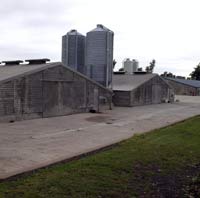
The NFU has stepped up its lobbying ahead of a vote by MEPs in early March on new proposals that will see many more poultry units face stringent environmental rules.
NFU officials are expected to call on its members to write to their MEPs pointing out the potential impact to their businesses at the poultry breakout session at its annual conference in Birmingham today.
New units plus those with 40,000 birds or more already have to comply with the requirements of the Integrated Pollution Prevention and Control regulations. However, the EU Environment Committee recently voted in favour of tightening the rules which will see many more units having to comply, including seasonal turkey producers.
The 40,000-bird threshold would come down to 30,000 for laying hens, 24,000 for ducks and 11,500 for turkeys.
As NFU poultry adviser Sam Hawkes pointed out, this means many seasonal turkey producer would also be caught. “Turkeys may only be on the farm for 15-21 weeks, but they would still be under IPPC controls.”
Units will face a one-off cost of £3700 plus an annual cost of £2700-£3500. On top of this, there is the cost of having to modify buildings and equipment.
Another proposed change is the use of “Equivalent Nitrogen Rates” to determine whether those pig or poultry units below threshold levels, but with a mixture of sows and finishing pigs, or in poultry whether or not other poultry away from chickens, ducks or turkeys reared on the same farm would be included.
Also coming under the scope of the rules would be on-farm feed mills, manure spread off site and exported to neighbours. Then those already under IPPC will have further paperwork burdens and the requirement to report to regulators.
“The committee has failed to acknowledge the impacts on agriculture,” he said.
MEPs vote on the proposal on 9 March and the NFU has stepped up its lobbying including its president Peter Kendall holding a breakfast meeting in Brussels last week with MEPs and NFU regional offices lobbying local MEPs by encouraging members to write to their local MEP as well as organising on-farm MEP visits.
- Back to NFU conference 2009 front page