Australia clears paraquat and diquat for continued use
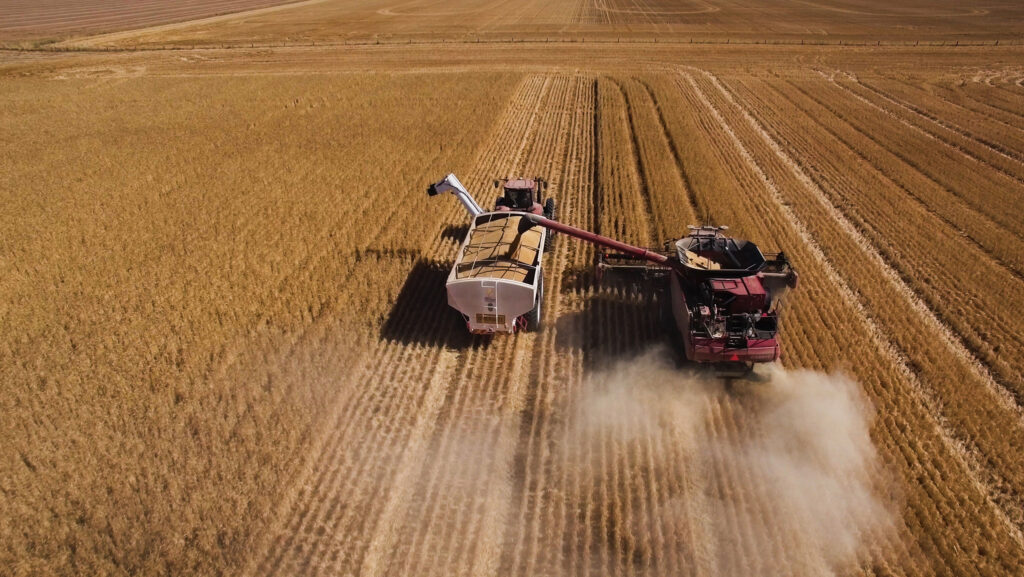 © AdobeStock
 Australian farmers will retain access to paraquat and diquat after the country’s pesticide regulator stopped short of a ban, instead imposing new restrictions on how the herbicides can be used.
The decision by the Australian Pesticides and Veterinary Medicines Authority (APVMA) comes nearly two decades after paraquat was withdrawn in the UK and European Union amid concerns over studies linking the herbicide to Parkinson’s disease.
Under the ruling, both herbicides will remain available, but application rates will be cut dramatically and new controls introduced to reduce operator exposure and environmental risks.
See also: Row intensifies over pre-harvest glyphosate use
Maximum application rates for paraquat and diquat will fall from 1,150g/ha to 231g/ha, while backpack sprayers will be phased out.
Growers will also be required to use enclosed mixing and loading systems alongside enhanced personal protective equipment.
The APVMA said its review found evidence of acute toxicity risks for operators and wildlife, particularly birds and mammals foraging in treated areas.
However, it concluded that the available evidence did not establish a causal link between paraquat use under approved conditions and the development of Parkinson’s disease.
The finding runs counter to calls from health campaigners and Parkinson’s groups, which have urged Australia to follow the UK and more than 70 other countries in banning the herbicide altogether.
For Australian arable farmers, the decision preserves access to a key weed-control tool used alongside glyphosate in “double-knock” programmes designed to tackle herbicide-resistant weeds.
Industry reaction
The country’s National Farmers’ Federation (NFF) welcomed the outcome, saying paraquat remains important for no-till and minimum-tillage systems that help conserve soil moisture and reduce erosion.
NFF president Hamish McIntyre said farmers relied on independent, science-based regulation and stressed that modern pesticide use was governed by strict controls and training requirements.
Grain Producers Australia also backed the ruling, arguing that paraquat and diquat underpin conservation farming systems that have delivered significant productivity gains while reducing the environmental footprint of crop production.
The decision leaves Australia pursuing a markedly different path from the UK, where arable farmers have adapted to farming without paraquat since its withdrawal in 2007 and without diquat since 2020.
The decision is likely to revive concerns over a level playing field, with Australian growers retaining access to crop protection tools no longer available to UK farmers.
The NFU and the AHDB have been approached for comment.