Australia weighs fate of paraquat ahead of key ruling
 © Adobe Stock
 Australia’s pesticide regulator is expected to rule later this summer on the future of paraquat, as pressure mounts from health campaigners calling for the herbicide to be banned.
The Australian Pesticides and Veterinary Medicines Authority (APVMA) is finalising a long-running review into paraquat’s health and environmental impacts, including concerns over a possible link to Parkinson’s disease.
Campaigners are urging Australia to follow more than 70 countries, including the UK and EU member states, which have banned paraquat. It was withdrawn from use in the UK in 2007.
See also: Row intensifies over pre-harvest glyphosate use
However, it remains widely used in Australian broadacre farming, with more than 10m litres applied to crops annually.
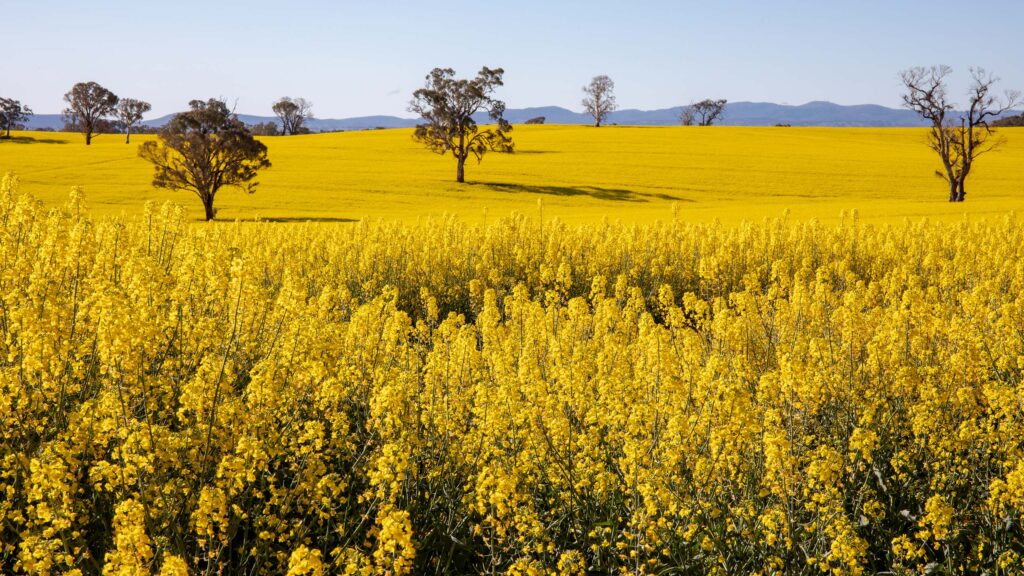
The herbicide is a key part of “double knock” weed-control programmes alongside glyphosate and is widely used to manage herbicide-resistant weeds in crops including wheat, oilseed rape (canola in Australia) and pulses.
The closely related herbicide diquat, from the same chemical family, is also included in the APVMA’s parallel review, with final decisions on both substances due in mid-2026.
Diquat, formerly marketed as Reglone, was withdrawn and banned in the UK in 2020. It had been used mainly for crop desiccation, particularly in potatoes.
Merseyside arable farmer Olly Harrison said UK growers had adapted without paraquat but understood concerns in Australia.
“UK farmers have managed to farm without paraquat for a long time. I understand why Aussie arable farmers would be upset were they to lose another tool in the armoury,” he said.
“My biggest concern here would be any restrictions placed on glyphosate use. I’d be very concerned about that.”
Australia’s National Farmers’ Federation (NFF) defended the science-led review, saying decisions must be evidence-based.
NFF president Hamish McIntyre said farmers operated under strict controls, including training, certification and protective equipment.
“Farmers take their responsibility to protect people and the environment seriously,” he said.
Conservation farming role
Mr McIntyre also highlighted paraquat’s role in conservation farming and no-till systems, which help reduce soil erosion and retain moisture.
“Products like paraquat are an important tool for managing weeds and supporting efficient production,” he said.
The APVMA has previously said it has not found sufficient evidence of a causal link between paraquat and Parkinson’s disease when used as directed, but continues to assess new research.
The review comes amid global scrutiny, with Vermont becoming the first US state to ban paraquat, in May 2026, over neurological concerns.