Controlling grassweeds in beans easier, but caution advised
 © GNP
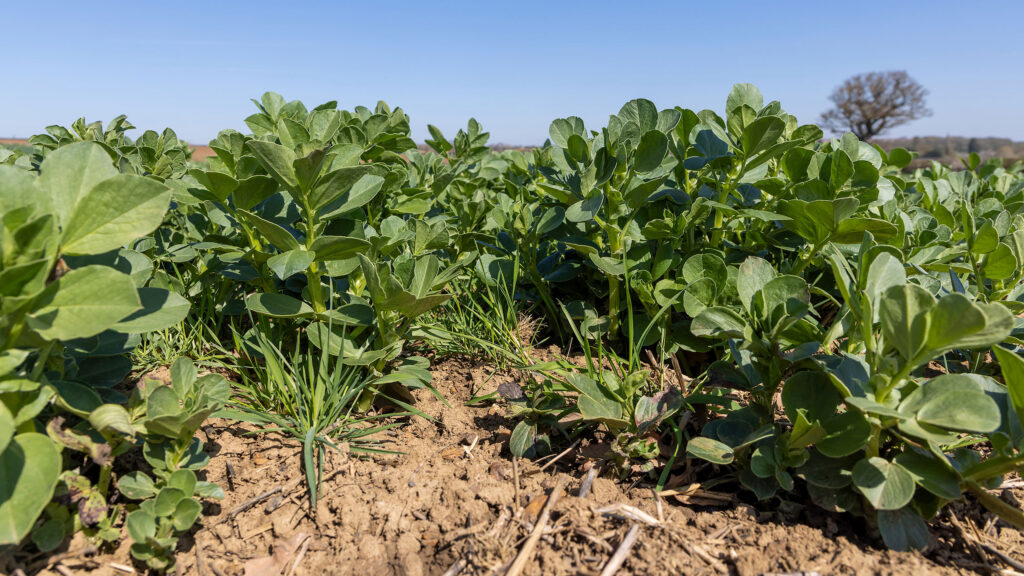
© GNP While the recent introduction of aclonifen for beans has made weed grassweed control a little easier, caution is still needed to achieve effective control without causing any undue damage to the crop.
“One of the core management strategies when tackling difficult grassweeds such as blackgrass, ryegrass and brome is to ensure the crop is as vigorous and competitive as possible during its early phases of development,” explains Procam agronomist Paul Gruber.
See also: Chickpeas: An alternative break crop for hotter summers?
“Experience suggests that the poorest levels of grassweed control are seen in late-established beans and when seed-bed quality is compromised. Together, these two factors lead to a cumulative effect of poor herbicide efficacy and the crop providing little in the way of competition.”
As a result, individual grassweeds can grow stronger and are able to return high numbers of seed. But with the addition of aclonifen to the bean arsenal, better control is achievable.
“The inclusion of Proclus certainly gives stacked herbicide programmes an extra edge, not just in terms of grassweed control, but also versus brassica weeds,” Paul says.
“But even with this new chemistry in the armoury, grassweeds could still be a challenge in beans. Growers should, therefore, use earlier establishment and higher plant populations to minimise subsequent seed returns from resistant grassweeds.”
Paul also encourages growers to think about drilling beans at greater depth to allow an application of glyphosate to be made just prior to the crop’s emergence.
“This would remove any last-gasp flushes of weeds and would enable seedlings to emerge unhampered,” he explains.
“A strong combination of Proclus plus Nirvana (imazamox + pendimethalin) or Proclus plus Kerb (propyzamide) would then give crops the best chance of growing away with minimal competition from grassweeds,” Paul adds.
“However, the latter option would leave a potential gap in broad-leaved weed control, and growers must always be mindful of the crop effects that the inclusion of additional actives can create.”