Targeted virus testing set to modernise seed potato industry
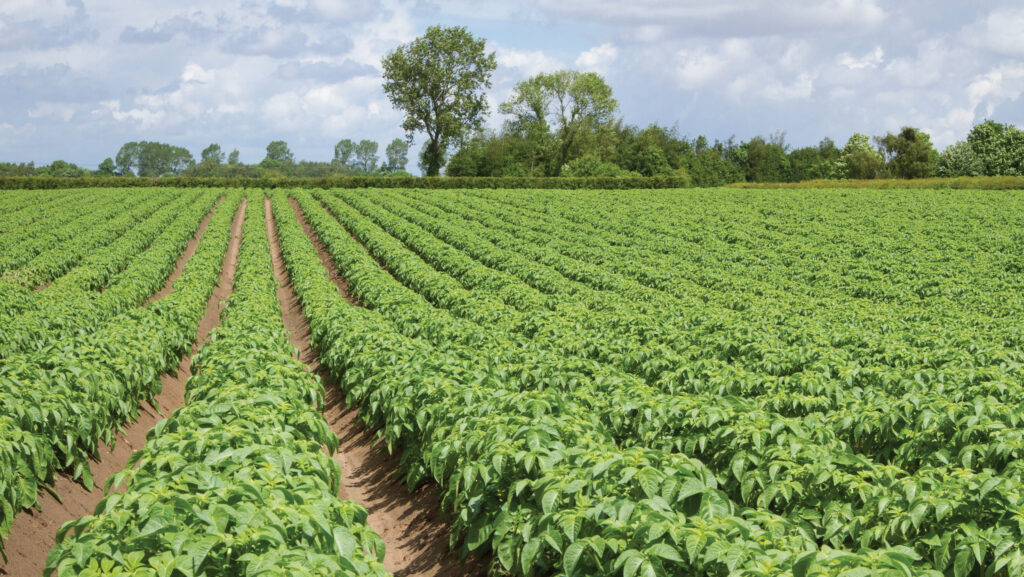 © GNP
© GNP Scotland’s plant health authorities are introducing targeted post-harvest virus testing in seed potato crops of the variety Cara this year as part of a wider effort to tackle rising virus pressure and modernise the country’s plant health inspection system.
David Kenyon, Scotland’s chief plant health officer and head of science and advice for Scottish Agriculture (Sasa), suggests virus infection levels can rise sharply between the fourth and fifth field generations of seed crops.
Sasa’s testing efforts have focused on the seed production cycle to better understand where infection is escalating and remove it from the system.
See also: Tips to improve spring weed control if conditions turn dry
“We’ve seen a sudden shift in virus levels between generations four and five and Cara is both the most widely grown variety and has a high propensity to potato leaf roll virus [PLRV].
“We are proposing targeted, post-harvest testing so we can better understand what is going on and support decision-making,” says David.
The move comes as viruses, particularly PLRV, are emerging as the most significant plant health issue in Scottish seed production, replacing blackleg as the dominant concern of the past decade.
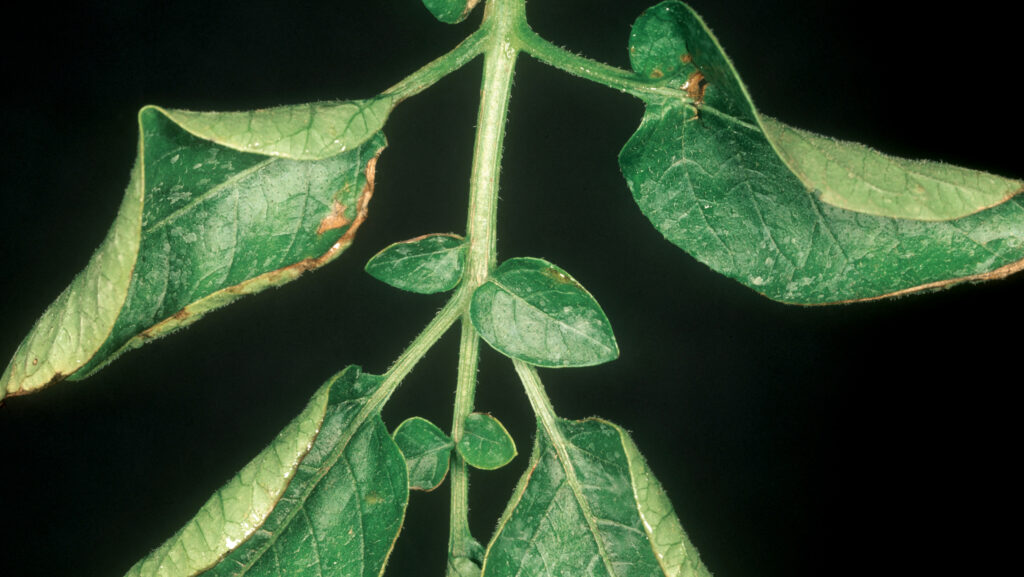
Symptoms of potato leaf virus © Nigel Cattlin
David says that much like blackleg outbreaks drove major research and management efforts 10 years ago, virus pressure has steadily increased and is now the primary focus.
Earlier and heavier aphid flights are contributing to the rise, with Scotland’s aphid suction trap network indicating some species are appearing up to a month earlier than historically observed.
This is increasing the window for virus transmission into seed crops.
Digital tools
Sasa is also introducing a series of digital tools designed to modernise crop inspection and improve communication with growers.
A new tuber inspection app is being developed to streamline the inspection process and deliver faster reporting back to producers once assessments are completed.
The system is expected to allow growers to receive inspection results and feedback shortly after sampling rather than waiting for traditional reporting cycles.
A digital system for crop inspections, aimed at improving transparency and efficiency within the seed potato certification scheme (SPCS) process, is also under development.
The changes form part of a wider effort to update plant health infrastructure and maintain Scotland’s reputation for high health status seed production.
A key investment underpinning that effort is the installation of a new second-generation potato cyst nematode (PCN) soil testing system at Sasa’s Edinburgh laboratory.
The £1.4m PCN “rinser”, funded by the UK government, replaces equipment that has been in operation for around a decade and is expected to improve testing speed and efficiency.
The upgrade should allow more effective sampling and reduce costs over time.
“It is about bringing in new technology that makes the whole system more efficient.
“Ultimately, these innovations should help streamline testing and support the potato seed sector,” says David.
Phytosanitary certification
The plant health authority is also trialling electronic phytosanitary certification (ePhyto).
The first trial commences with ware potato consignments moving between Scotland and Northern Ireland.
If successful, the system will be expanded to other trading partners.
David explains how discussions between the UK and EU on a potential sanitary and phytosanitary agreement are ongoing and it is too early to draw firm conclusions about regulatory outcomes.
“We are at too early a stage. The negotiations are ongoing and the decisions simply have not been made yet.”
He acknowledges concern within the farming sector about possible impacts on issues such as plant protection product availability.
“It is difficult when people do not have sight of the detail, because people tend to fill that gap with worst-case scenarios.
“I hope there will be good communication when the time is right and when there is something concrete to share,” he says.
Despite the uncertainty, David says there was clear recognition within government of the importance of securing workable arrangements for UK agriculture.
Defra has since opened communication with stakeholders.
EU access
For Scotland, restoring access to the EU seed potato market remains a major objective.
This agreement could provide a secondary route and potentially a quicker way to regain access.
Seed potatoes are clearly a major area for Scotland, but improved movement of plant material more broadly could benefit multiple sectors.
Ultimately, the aim is to reduce trade friction and rebuild smoother movement of goods.
“What we want is to move away from barriers to trade, because barriers create complications that can make businesses reluctant to deal with certain trading partners,” he says.
David Kenyon was talking at the recent SAC Association of Potato Producers conference in Dundee.