Grain yields slump as climate change takes long-term toll
 © Tim Scrivener
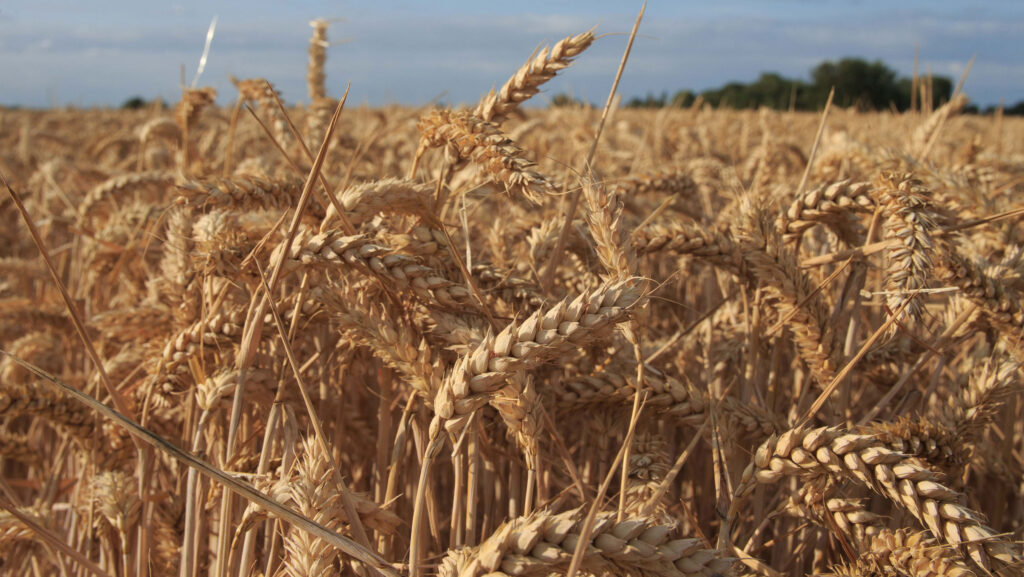
Wheat yields across southern England, the Midlands and Wales have fallen by 13-15% over the past three years, highlighting the impact of increasingly volatile weather on arable production and farm profitability.
Analysis by Strutt & Parker reveals a growing regional divide in crop performance, with Scotland and the north-west of England the only areas to record an increase in average wheat yields.
See also: First UK approval of prothioconazole plus multisite fungicide
Using data from Defra’s Cereal and Oilseed Rape Production Survey, which draws on results from about 1,500 farms, the firm compared average yields from the 2024-26 harvests with those recorded during the preceding decade.
The findings reflect a succession of challenging growing seasons, including exceptionally wet conditions that disrupted drilling ahead of the 2024 harvest, spring drought and high temperatures in 2025, and prolonged summer drought in 2026.
Regional differences
Across England, wheat yields averaged 7.1t/ha between 2024 and 2026, down 13% from the historical average of 8.2t/ha.
The South East, South West and West Midlands recorded the steepest declines of 15%, followed by eastern England (-14%) and the East Midlands and Wales (both -13%).
By contrast, average wheat yields in Scotland increased by 4% to 9t/ha, while the North West and Mersey region recorded a 6% increase to 6.3t/ha.
Winter barley yields across England fell by 7% to 6.5t/ha, with the South East recording the largest decline of -16%. Scotland was the only nation to record an increase, at 6%.
Oilseed rape yields proved more resilient, remaining broadly in line with historical averages across England, although Wales recorded a 10% decline.
Farm profitability
Natalie Gaibani, head of farming at Strutt & Parker, said comparing yields over several seasons helped identify underlying trends rather than the effects of individual harvests.
“The changes are significant as even small changes in yields can drastically affect a farm’s profit,” she said.
“Not every farm will have been affected to the same extent – by the nature of averages some farmers have been less affected and others more.”
Ms Gaibani said businesses throughout the food supply chain needed to account for increasing weather risks when preparing budgets and reviewing longer-term strategies.
“For farmers, this might include looking at hardier varieties, increased investment in soil resilience and water availability, or it could involve a more wholesale review of farm strategy.”

Farm advice and AI survey