

Greenpeace questions UK pesticide policy amid £810m warning
 © GNP
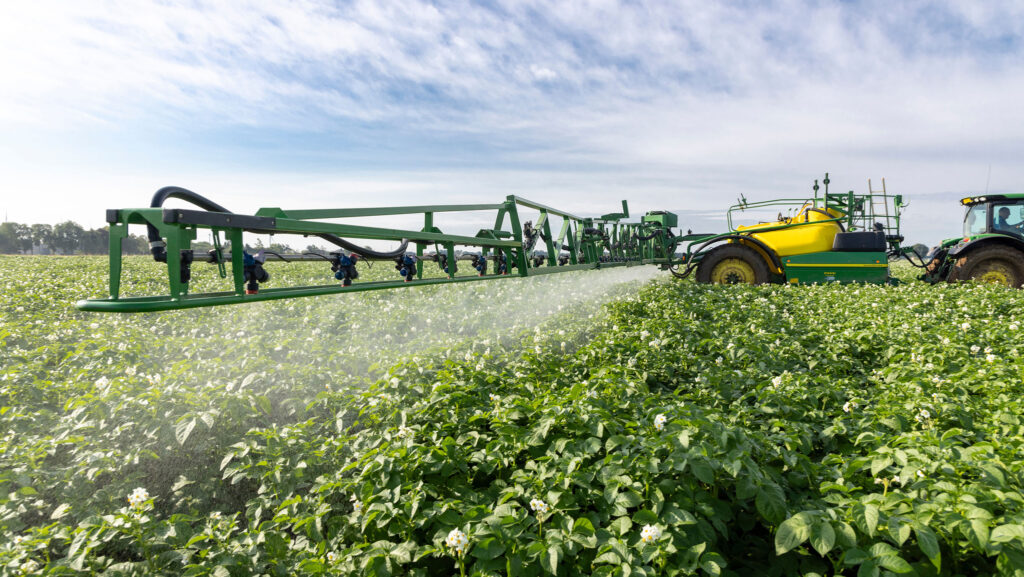
© GNP Ministers face mounting pressure over pesticide policy after a Greenpeace Unearthed probe found chemicals linked to cancer and reproductive harm still approved for use on British farms.
Unearthed highlighted 14 active substances banned in the EU but authorised in Great Britain.
Among those named were dimethomorph, used on strawberries and onions; benthiavalicarb, applied in potato crops and ipconazole, authorised as a seed treatment for barley and wheat.
See also: EU alignment risks £810m hit to UK farm incomes
Campaigners argue these and other actives linked by regulators to reproductive toxicity, carcinogenicity or environmental risk should be removed swiftly under any future UK-EU sanitary and phytosanitary (SPS) deal.
However, CropLife UK has warned that immediate alignment with post-Brexit EU decisions would come at significant cost.
Analysis it commissioned from the Andersons Centre, published in January and previously reported by Farmers Weekly, modelled a “cliff-edge” scenario in which Great Britain automatically followed EU rulings on plant protection products (PPPs) from 2027.
The report estimated a 3-6% drop in gross value added from UK crop production in the first year, equating to a hit to farm incomes of £500m-£810m.
Wheat output could fall by 9-16%, potatoes by 4-6% and apples by 3-7%, reflecting the loss of key crop protection tools, shifts in rotations and higher production costs.
The Andersons study examined divergence in approved active substances, authorised uses and maximum residue levels.
It warned that losing further chemistry would intensify resistance pressures at a time when warmer, wetter seasons are already increasing pest and disease challenges.
A policy of “managed alignment”, phasing in changes at renewal points rather than removing products overnight, would mitigate disruption, it argued.
The Unearthed analysis found that ten pesticides on its list of 14 substances were included in the CropLife UK report which stated would damage British farmers’ finances if suddenly banned under an SPS deal.
NFU response
Responding to the Greenpeace report, NFU president Tom Bradshaw said: “The use of plant protection products is strictly regulated by the Health and Safety Executive [HSE].
“As an expensive product, farmers use them carefully, often alongside other methods of plant management to control pests, boost productivity and protect the environment.
“With global food production becoming more difficult due to war, climate change and economic instability, having access to tools where any risks can be effectively managed can help us produce nutritious food for the nation in an efficient, sustainable and safe way.
“British farmers should be allowed to retain access to crop protection products where our regulator, the HSE, has followed the regulatory process and made the legal decision for these products to be on the market.”
A UK government source said: “We are committed to reducing the risks associated with pesticide use and continuing to lower overall usage to minimise impacts on the environment and human health, while ensuring that farmers have the tools they need for food production.
“The UK already performs well on pesticide usage, particularly when compared to the rest of the world. We’re clear that we will only sign a deal that is in the interest of the UK public.”
The HSE has also been asked to comment.