Growers left questioning future of spring cropping
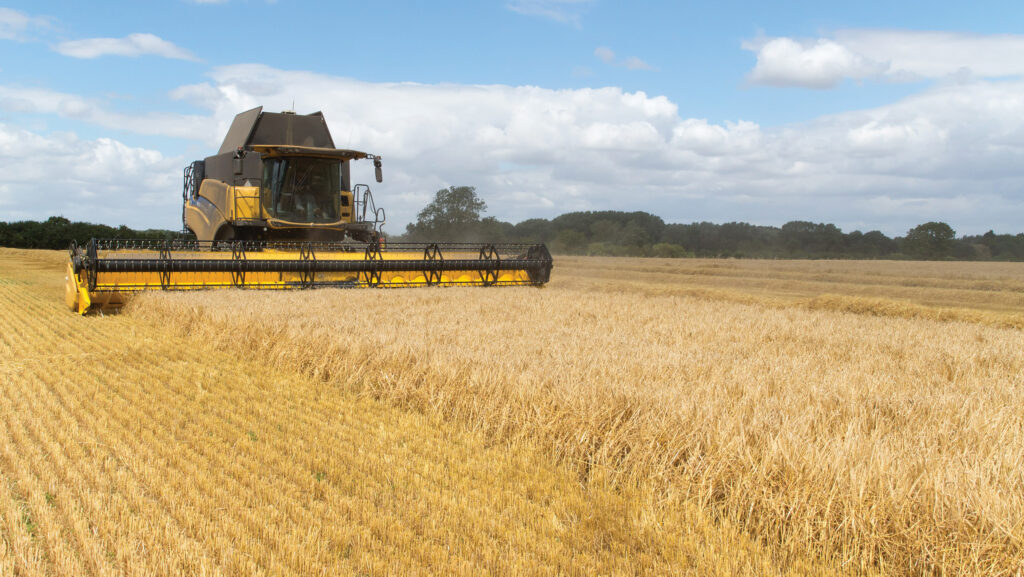 © Tim Scrivener
Many growers are questioning the future of spring crops in the rotation.
Challenging establishment conditions driven by drier springs alongside depressed commodity prices means the financial risks outweigh potential returns.
As a result, the spring barley area is expected to decline by 11% next season, making it the smallest area planted since 2006 with 531,000ha predicted to be drilled.
See also: Farmer Focus: Next year’s cashflow forecast looks dire
Average spring barley yields of 4.6t/ha last harvest and 4.1t/ha for oats were some of the lowest recorded since 1999, according to the AHDB.
Oats show a similar picture, with total oat plantings forecast to fall by 18% to 136,000ha, with pulses expected to decline by about 20%.
Anthony Hopkins, AHDB cereals and oilseeds director, explains how some farmers in the worst-affected drought areas are openly questioning whether to plant certain crops at all.
“After two years of difficult weather and weaker demand from some markets, more growers seem to be deciding the risks of spring cropping outweigh the rotational benefits and potential savings on inputs,” he says.
Spring barley 2026 yields according to region
According to AHDB research, spring barley yields this harvest revealed stark regional differences across the UK.
Yields were down on the 10-year average across all UK regions, excluding the North West, which saw a 4% uplift.
The South East and South West saw the biggest drop in yield, down 23 and 21% respectively on the 10-year average.
- South East: 4.2 t/ha (-23%)
- South West: 4.1 t/ha (-21%)
- Eastern: 4.8 t/ha (-14%)
- East Midlands: 4.7 t/ha (-14%)
- West Midlands: 3.9 t/ha (-20%)
- Yorkshire: 5.5 t/ha (-2%)
- North East: 4.7 t/ha (-17%)
- North West: 4.4 t/ha (+4%)
UK barley quality percentage changes on last year |
||
|
|
Winter barley |
Spring barley |
|
Nitrogen content |
+1.78% |
+1.68% |
|
Specific weight |
-64.4kg/hl |
+66.2kg/hl |
|
Screenings: % retained by a 2.5mm sieve |
-79% |
+90.7% |
Oilseed rape on the rise
Last year’s average oilseed rape yield came in at 3.8t/ha – the highest recorded in the past six years.
The AHDB Early Bird Survey indicates a 28% increase in oilseed rape area compared with 2026, taking the crop to an estimated 415,000ha.
This would be the largest UK oilseed rape area since 2019, provided there are no significant area losses.
Helen Plant, AHDB lead analyst, said: “The survey points to another significant increase in oilseed rape plantings, supported by a stronger margin outlook relative to other crops and generally good autumn establishment conditions.
“While the crop remains well below the peak areas seen during the 2010s, growers appear increasingly willing to include oilseed rape in rotations where conditions and management allow.
Winter cereals remain stable
Winter cereal plantings are expected to remain broadly stable, reflecting favourable drilling conditions this autumn.
The total UK wheat area is forecast to rise by 1% to 1.7m hectares, led by winter wheat, while winter barley is forecast to fall by 1% to 366,000ha.
“The picture for spring crops is more challenging, with further reductions in spring barley, oats and pulses following two difficult seasons and continued pressure on barley demand from some end markets,” says Helen.
Looking ahead to 2027, there is a very uncertain outlook with plenty of cost challenges for growers.
High wheat quality pushed milling premiums down
A total of 79% of Group 1 wheat samples from harvest 2026 met a typical bread wheat specification (13% protein, 76kg/hl and 250s).
This was the highest percentage of samples recorded, which has since resulted in reduced bread wheat premiums due to increase in supply.

Farm advice and AI survey