OSR growers warned against slug complacency after dry spell
 © De Sangosse
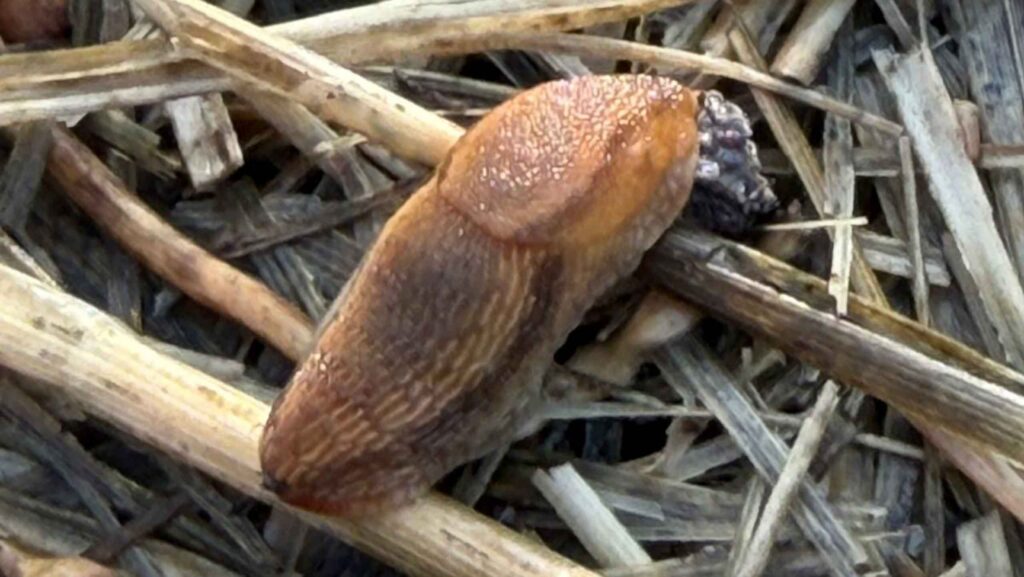
 Oilseed rape growers are being urged not to let the prolonged dry summer create a false sense of security over slug risk. And those yet to drill are advised to use the pre-drilling window where monitoring shows treatment is needed.
After a dry summer, OSR establishment varies considerably across the country. Some crops drilled into available moisture are already emerging, while growers in the driest areas have held off for rainfall to improve seed-bed conditions.
See also: How research project is set to help farmers slash slug pellet use
But the same moisture needed to get later-drilled crops established can also change the conditions for slug activity, warns De Sangosse managing director Phil Carpenter.
“After such a prolonged dry spell, growers may understandably have seen little slug activity. The important thing now is not to assume that remains the case as conditions change.
“Some OSR is already up, some is going in now and other fields are still waiting. Each situation needs monitoring according to the conditions in that field.”
Oilseed rape is particularly vulnerable to slug feeding during establishment, with serious damage possible until the four true-leaf stage. AHDB puts the damage-risk threshold at just one slug per trap in cereal stubble, where conditions are suitable for slug activity.
© De Sangosse
OSR still to be drilled
For crops still to be drilled, Phil says growers have an opportunity to assess and, where necessary, tackle the threat before seed goes into the ground.
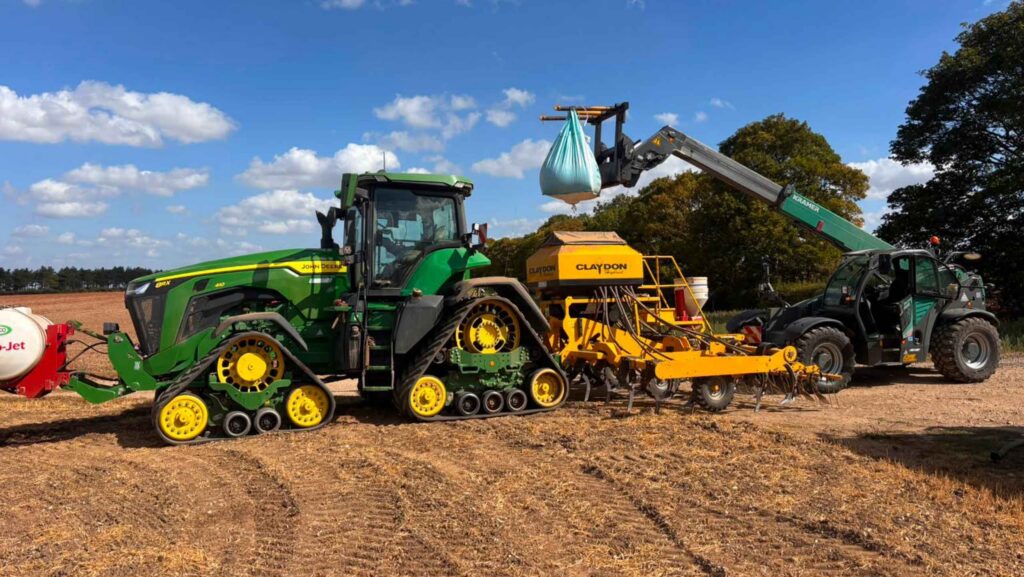
The company’s ferric phosphate pellets are approved for application up to seven days before drilling, once seed-bed preparation is complete.
“Growers don’t need reminding that OSR is vulnerable to slugs. What may be less well known is that they don’t necessarily have to wait until drilling to start managing the threat,” he says.
“We haven’t had much of a green bridge after harvest in many areas of the UK this year due to the hot, dry conditions, so don’t let the first food source for slugs be your newly drilled crop.”
He explains that in warm soils OSR can germinate in 24 hours and push though the surface in three to five days, so having the seven days pre-drilling application as an option can buy important time for growers when peak drilling is the focus and resources are stretched.
“Where monitoring identifies active slugs and treatment is justified, the seven-day pre-drilling approval gives growers the flexibility to get ahead of that population before vulnerable seedlings emerge.”
© De Sangosse
Already-drilled OSR
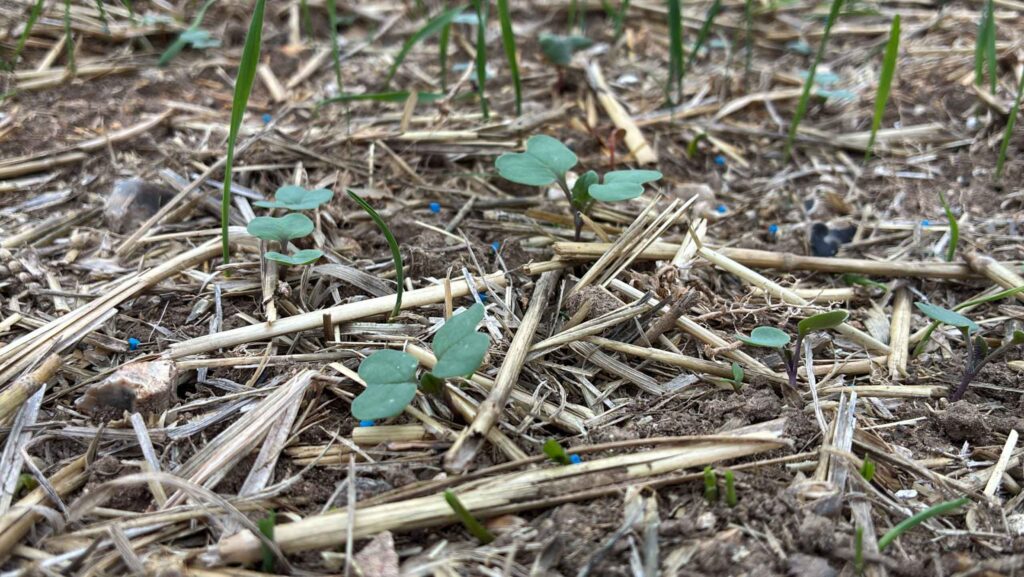
For crops already drilled or emerging, continued monitoring is important as soil moisture increases.
The same seven-day pre-drilling approval also applies to cereals, providing an additional timing option as attention turns to autumn cereal drilling over the coming weeks.
“This isn’t about routinely applying pellets seven days before every crop,” adds Phil. “It’s about understanding the risk and having another timing option available when that risk warrants it.”