Potato expert cultivates soil-led resilience in systems
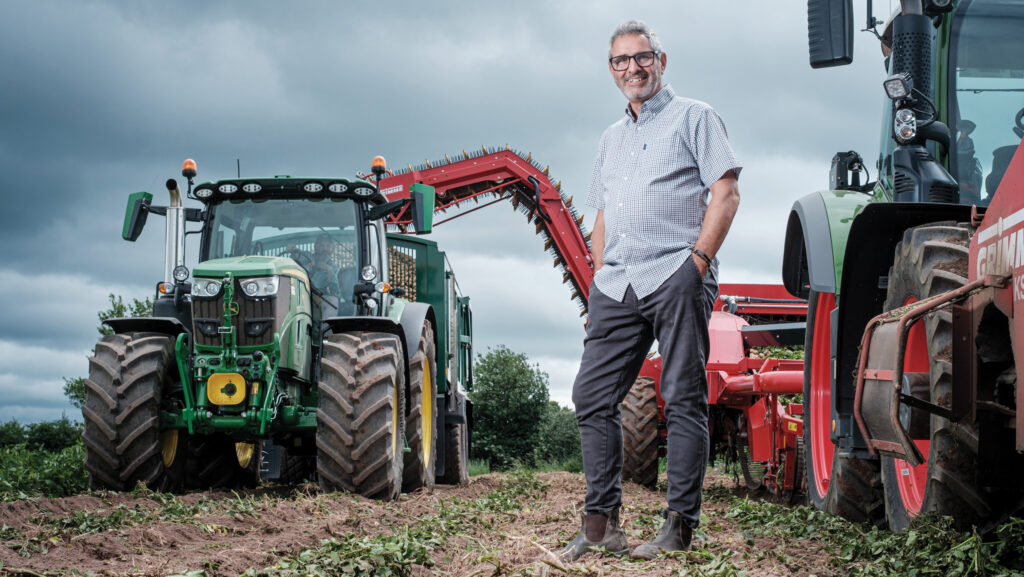 John Sarup © Jim Varney
 When John Sarup was named Farmers Weekly’s 2025 Arable Adviser of the Year, the award recognised more than 40 years at the sharp end of specialist potato agronomy.
Four months on, it is clear the award has not changed his direction – it has simply reinforced it.
“It’s a fantastic accolade,” John says. “It’s recognition for a lot of hard work. But I don’t really see it as work – it’s a passion for what I do, and that hasn’t changed one iota.”
See also: Farmers Weekly Awards 2025: Arable Adviser of the Year
Fact file
- Founder of Spud Agronomy & Consultancy, offering expert, hands-on potato agronomy and consultancy advice across 5,000ha
- Long-term success story with Cheshire potato growers E&SR Shaw
- Field trials on nutrient use efficiency, cover crops and lowering the carbon footprint of potato production
- Founder of the Association of Independent Potato Consultants
- Practical, impartial support that extends beyond chemistry – from planning to delivery to the customer
Based near Driffield in the East Riding of Yorkshire, John runs Spud Agronomy & Consultancy, founded in 2012.
Alongside fellow potato specialist Rob Blades, the business now advises on more than 5,000ha of potatoes across northern England, supplying both fresh, processing and seed markets.
“I lost quite a big contract since I won the award,” he admits. “But I managed to replace all that income – probably giving me more work and more challenges, which is a good thing.”
That appetite for challenge runs through both the business and his technical focus.
Root protection
John’s current work with potato growers increasingly focuses on below-ground risk reduction.
Soil health, pest pressure, and root system protection are now central, as tighter margins and fewer crop protection options bring increasing challenges to his clients.
He is encouraging more targeted soil testing for free-living nematodes and potato cyst nematode (PCN), better interpretation of results, and closer alignment between soil type, variety choice and nutrition strategy.
“If you get the root system right early on, everything else becomes easier,” John says. “A lot of disease problems start with damage to the roots.”
Digital tools such as Telus Farm Management now play a bigger role in managing nutrition plans, spray records and processor compliance, but John stresses technology must support sound agronomy, not replace it.
His approach remains firmly field-based.
The award win has reinforced long-standing relationships with clients such as Edward Shaw, whose Cheshire potato business has expanded from 40ha to 365ha since 2003 – growth he says would not have been possible without John’s guidance.
“Trust comes from conversation rather than instruction,” John says.
Lifelong learning
Alongside client work, John continues to invest time in conferences, research updates and trials, including nutrient use efficiency, cover crops and work with potato merchant Mercian on reducing the carbon footprint of potato production.
“Every day is a learning day,” he says. “Once you stop learning, it becomes monotonous.”
Now 64, John says retirement is not on his agenda.
Instead, he is gradually shifting towards more strategic consultancy, while giving thought to succession – though for now it is business as usual, delivering practical, independent agronomy in an increasingly complex potato sector.
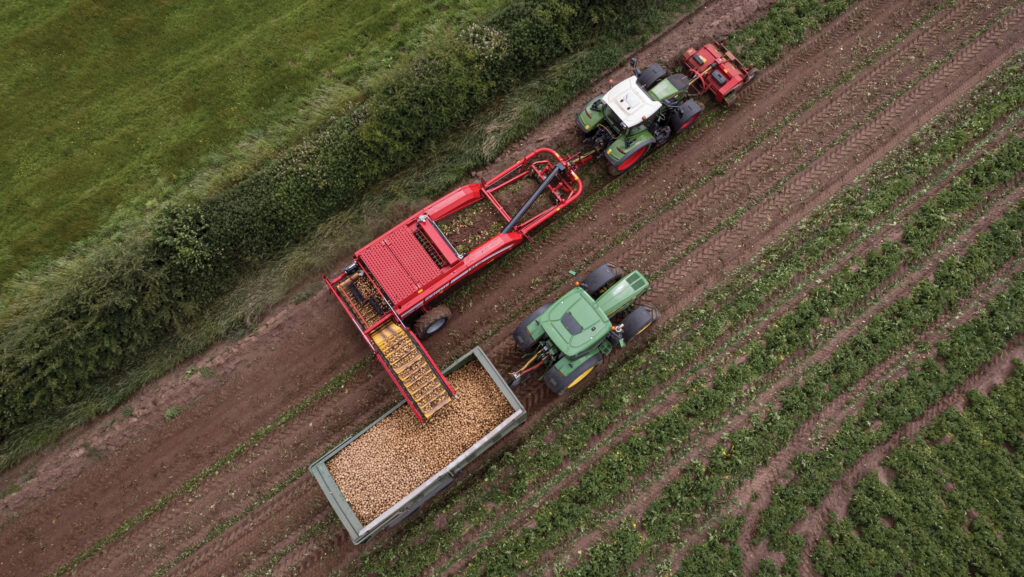
© Jim Varney
Promoting stronger potato root systems
John Sarup focuses on seed quality and cultivation practices that protect and strengthen potato root systems, addressing below-ground risks before they become visible in the growing crop.
Central to this is understanding soil biology and how management choices influence pests such as wireworm, free-living nematodes and potato cyst nematode (PCN).
John says careful cover crop selection, avoiding species that increase pest populations, and ensuring cover crops are destroyed at least six weeks before cultivation is key.
This break removes food sources for pests and allows soils to settle, reducing pressure on emerging potato roots.
Where cover crops are not used, he says clean, weed-free winter stubbles are needed to eliminate the “green bridge” for pests, viruses and volunteer potatoes.
Regular soil testing for free-living nematodes and PCN allows growers to understand risk, target thresholds and select appropriate control strategies.
With pressure on agchems, John is exploring integrated solutions, such as optimised nematicide programmes, emerging biological tools, and improved seed and soil treatments.