Bayer secures landmark Roundup US court victory
 © Tim Scrivener
 A landmark ruling by the US Supreme Court has handed Bayer a major legal victory in the long-running litigation over its glyphosate-based Roundup herbicide.
It is a decision that could significantly reduce thousands of outstanding lawsuits against the company.
In a 7-2 judgment in the Monsanto v Durnell case, the court ruled that US federal pesticide law overrides state “failure-to-warn” claims where the US Environmental Protection Agency (EPA) has already approved a product’s label.
The decision overturned a Missouri jury award of $1.25m (£944,000) to St Louis gardener John Durnell, who alleged he developed non-Hodgkin lymphoma, a common blood cancer, after years of using Roundup.
See also: Row intensifies over pre-harvest glyphosate use
The ruling is expected to lead to the dismissal of thousands of existing warning-label claims and make it harder for similar cases to be brought in future.
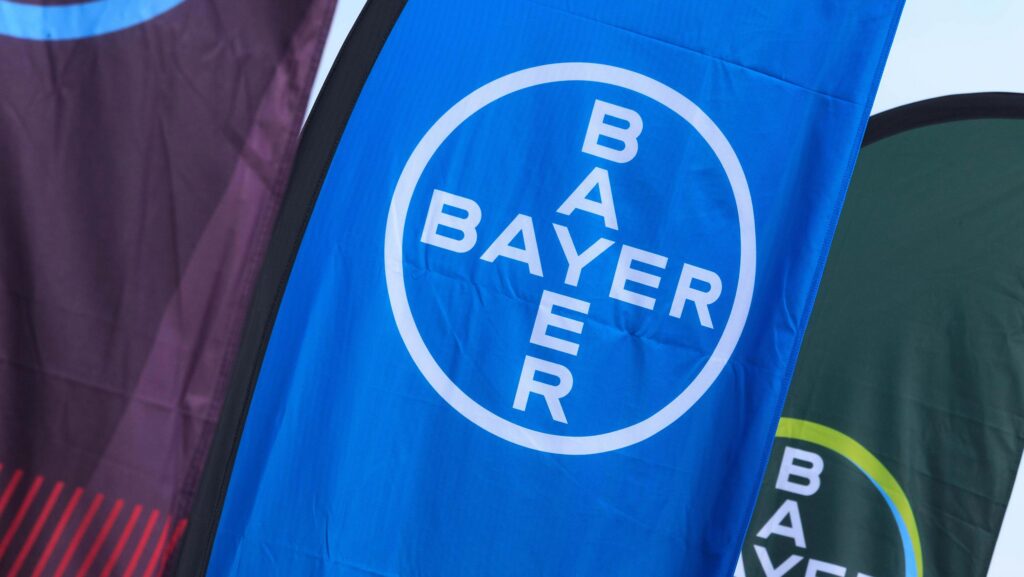
German agrochemical manufacturer Bayer said the judgment would help contain litigation that has cost the company billions of dollars since it acquired Monsanto in 2018.
Chief executive Bill Anderson described the ruling as providing “regulatory clarity” for manufacturers and farmers, saying it would support future investment in agricultural innovation.
However, environmental groups and campaigners opposed to glyphosate criticised the decision.
The argue it weakens consumer protections and limits the ability of individuals to seek compensation through state courts.
Bayer shares surged more than 17% on the day of the ruling (26 June) – the company’s biggest single-day gain in 23 years – as markets priced in a substantial reduction in the company’s future legal liabilities.
Bayer inherited the legal claims when it acquired Monsanto, the maker of its glyphosate-based Roundup products, in a $63bn (£47.6bn) takeover in 2018.
GB licence renewal
The ruling will be closely watched in the UK, where glyphosate remains the most widely used arable herbicide.
Glyphosate is approved for use in Great Britain until 15 December 2026, when its current authorisation is due for renewal.
UK regulators continue to say it is safe when used according to label instructions, in line with assessments by the US EPA and the European Food Safety Authority.