High fertiliser costs: Two cheaper crop options for 2027
 © Tim Scrivener
 With soaring fertiliser prices, lacklustre commodity prices and rising pest and disease pressures, experts have highlighted two alternative crops for this autumn, that are much cheaper to grow than wheat and oilseed rape and have less risk.
Rory Hannam, product manager at breeder KWS, believes switching from second and third wheats to hybrid rye this autumn could lead to added cropping security.
See also: Why Scottish growers are turning to winter linseed
Once viewed as a niche crop, hybrid rye is rapidly growing in popularity, as margins for second and third wheats are being squeezed by high input costs, lower commodity prices and increasingly variable yields.
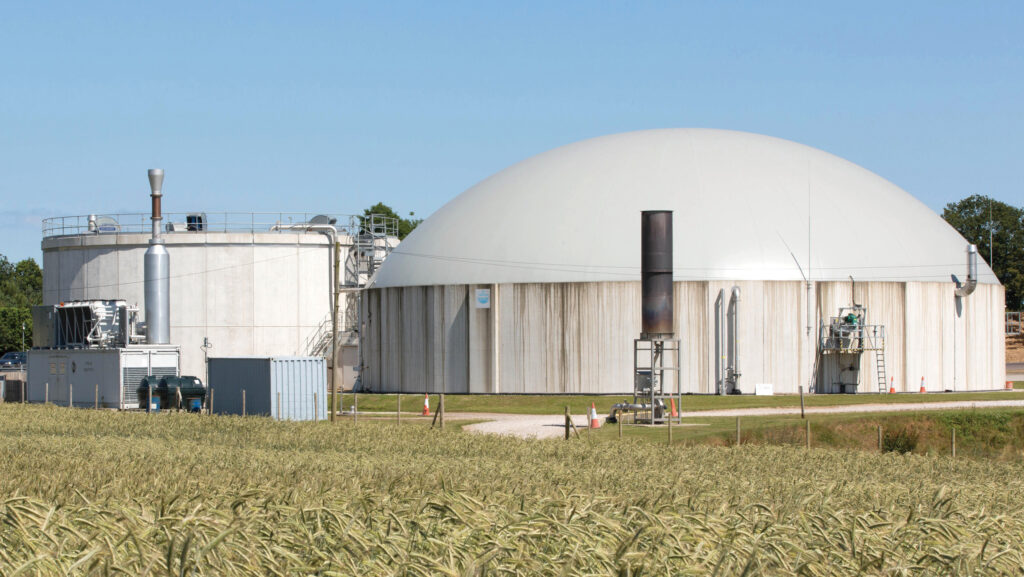
Rory says that rising market demand from anaerobic digestion (AD) plants is also playing to the appeal of hybrid rye for the season ahead.
“There is a guaranteed market provided by AD,” he says. “There are 438 of a total of 640 plants in the UK currently running on feedstocks derived from 40,000ha of hybrid rye.”
He explains that most plant operators offer staged payments; 30% at drilling in September or October, 30% in March or April, and 40% on intake, which is a huge benefit to farmers in terms of cashflow.
From an arable perspective, he says hybrid rye fits well with the direction of UK agriculture, with specific advantages over other cereals.
“The crop can outperform wheat as a second or third cereal,” he says.
“Its wide drilling window from early to mid-September to early November also spreads the autumn workload, and if whole-cropped in June, it also provides an opportunity to get on top of grassweeds and provide early entry for OSR.”
He highlights its extensive, deep-rooting habits which makes it one of the most drought-tolerant crops available, requiring 25%-33% less water than wheat.
“Hybrid rye is at negligible risk from take-all, septoria, eyespot and barley yellow dwarf virus. It also has excellent resistance to yellow rust, which is becoming a bigger concern in other cereals.”
He says another benefit of the crop is its substantially lower nitrogen and fungicide input requirement, at 100kgN/ha less than second or third wheat.
“Grain yields of 10-13t/ha are common, with higher straw yields providing a useful additional income for livestock farmers.
Winter linseed
With oilseeds, specialist seed supplier Premium Crops says linseed could be a lower nitrogen and lower risk alternative to oilseed rape for the coming season.
With oilseed rape under mounting pressure from volatile margins, rising input costs and pests, the company believes the time is right for winter linseed.
The company will be making a compelling case for the break crop at this year’s Cereals event.
“It’s a convergence of market forces, agronomic advances and farmer experience that have created this moment,” says Nigel Padbury, the company’s seeds and marketing manager.

© Premium Crops
“From the stubborn flea beetle risk in OSR, to a contract value of over £500/t for linseed, the case for making the switch is hard to ignore.”
At the event, Premium Crops will be launching a new winter linseed contract with values over £500/t.
Historically, average prices have settled around £550/t – some way above current OSR values. Winter linseed typically yields 2.5-3.5t/ha.
At £550/t that puts it well within range of an average rapeseed crop on a gross return basis, and ahead of it input savings such as nitrogen.
“We’re basing contracts on paying £500/t, but that’s the minimum,” says Nigel. It could be another 10% above that.
And unlike drilling a wheat crop and hoping the price is OK at harvest, a contract gives you certainty from the start, not an unpredictable spot price.
But what may prove attractive for some growers is its lower nitrogen fertiliser requirement.
Nigel says with the Middle East war, fertiliser costs are firmly back in the spotlight. According to the AHDB fertiliser tracker ammonium nitrate is now trading above £525/t – up by over 30% against pre-conflict prices.
He believes this makes winter linseed’s nitrogen requirement of just 80-120 kg N/ha compare very favourably with the 190-200 kg N/ha typically applied to OSR.
That difference represents £150/ha in saved input costs. That’s equivalent to needing to grow an extra third of a tonne of rapeseed a hectare just to break even on fertiliser alone.
“It’s not just about the contract price or margin achieved on the crop,” says Nigel.
“Winter linseed has other benefits for cashflow across the farm because of the significant savings that can be made on nitrogen.
“With uncertainty still surrounding farm support payments, such as the new arrangements for SFI, and the current hight cost of borrowing, keeping cash flowing on the farm is critical.”
- KWS will be on stands 1000 and 1002, where visitors can learn more about winter rye and see the breeders latest varieties.
- Premium Crops will be on stand number 942, where the team will be available to talk through winter linseed contracts, the agronomic story and the farm economics in detail.