Crop Watch: OSR desiccation and early start to barley harvest
 © Tim Scrivener
 Harvest is approaching for winter barley and oilseed rape. Key challenges include weeds, pests and yellow rust, alongside uneven growth from weather extremes, but overall yields look mixed with cautious optimism for harvest.
Even so, this week’s heatwave is the last thing growers need as crops are in the critical grain fill period.
See also: Potato trials show little benefit from NUE products
East
Dan Ives, Agrovista (Herts, Beds, Cambs and Essex)
About 40-60mm rain in the first two weeks of June has provided a welcome new lease of life for winter crops that were struggling last month. While the rain has come too late to save some winter-sown crops on light, gravel or poorer soil types, for the majority it will help turn them into at least average yielding ones, if not better, in some cases.
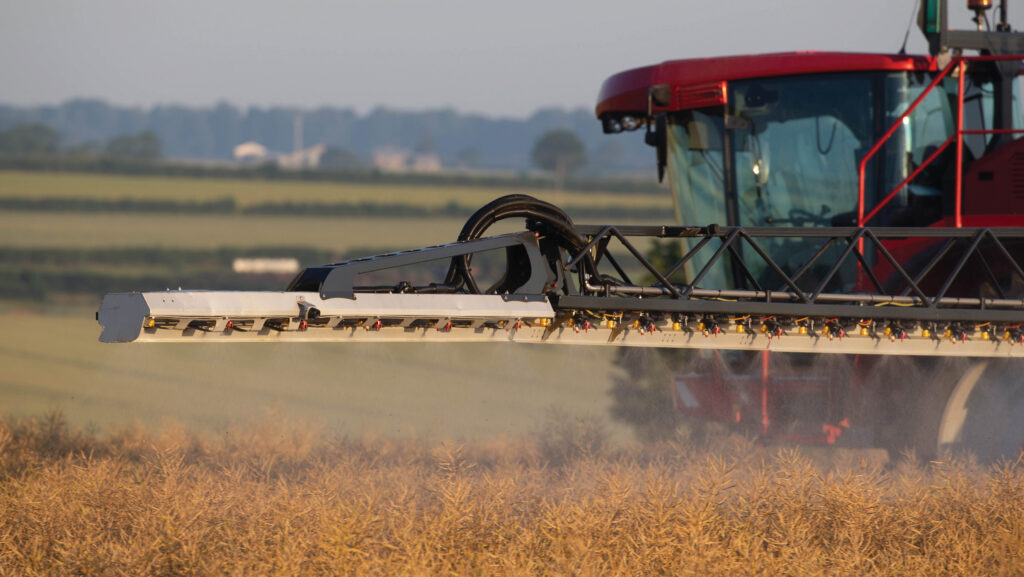
Winter barley is already on the turn, so first crops might be cut in June, although it will probably be early July for the majority around here. Oilseed rape is also starting to ripen after a prolonged flowering period helped keep green leaf area. Desiccation sprays started in the latter half of June.
The rain has also brought a lease of life for weeds, particularly in maize. I’m pleased that I delayed herbicides in some crops with the rain forecast because it is now a carpet of broad-leaved weeds. Bindweed was a problem earlier, but it’s been charlock, fat hen, redshank and knotgrass that have come after the rain. Holding off spraying has helped make sure we didn’t need to either change products or have to go through again.
Generally maize crops fall into two camps currently, depending on soil type. Some are at six to eight true leaves and look good, while others are more backward at two to four true leaves, bright purple and struggling. The latter has or will receive separate foliar nutrition based on phosphate to try to help them through.
Sugar beet
Whether sugar beet crops needed another herbicide following the rain has been a conundrum. Where crops are big enough to shade emerging weeds, it won’t be much of an issue, although there’s definitely weeds coming through even in crops meeting in the row with 12 true leaves.
It’s more of an issue in more backward, later-drilled crops. Remarkably, there’s still sugar beet emerging in some gappy crops, which makes weed control more difficult. With varying growth stages of beet, you have to be careful with applying big herbicide tank mixes.
Peach-potato aphids potentially carrying virus yellows trebled in number in the heat wave at the end of May. Numbers have declined, but Rothamsted Research suction trap data for eastern England, especially Broom’s Barn, were still catching large numbers in early June, even with the high rainfall. Most of my crops have had two of the four insecticides available this season, which should be all they will require having reached 12 true leaves, when adult plant resistance kicks in.
Beet moth is the next pest to watch for – BBRO has received an emergency authorisation for Coragen (chlorantraniliprole) should damage be seen. I haven’t found any signs yet, and hopefully, that remains the case as Coragen is not the easiest to target effectively due to the larvae tunnelling quickly into the crown.
West
Jamie Armstrong, AICC/Wessex Agronomy (Wiltshire, Gloucestershire and Hampshire)
The South West finally saw some meaningful rainfall over the past month, with most areas receiving between 40-60mm. While amounts have varied locally, the rain has certainly relieved some of the drought stress that had been building through May. Temperatures are now climbing once again, and with longer days and warmer conditions, crops are progressing rapidly.
Winter barley is edging ever closer to harvest. The rain arrived just too late to significantly influence yield potential. Some crops on lighter land that had already begun to senesce before the rain arrived are now quickly going off. It would not be surprising to see combines rolling into the earliest fields during the first week of July, if not before.
Winter wheats continue to look remarkably clean. However, in some cases ears have been affected by late frosts in May, causing aborted grain sites and distorted ears. Grain fill is now well under way and some of the most forward crops are at the milky ripe stage.
Yellow rust has undoubtedly been the main disease challenge this season, but for the most part it has been kept under control. Where fungicide timings slipped slightly, follow-up applications of tebuconazole have generally done a good job of tidying crops up and preventing yellow rust from establishing in the upper canopy.
T3 fungicides, now complete, should provide useful protection against late rust development. Where programmes have been based around prothioconazole, there will be good activity against both yellow and brown rust. More susceptible varieties may also have received a strobilurin or SDHI to help strengthen protection through grain fill.
Variety choice
The shift in YR15 resistance and the increasing susceptibility of some previously reliable varieties will certainly influence drilling decisions this autumn. Variety choice is becoming more important than ever. The popular group one wheats have generally been straightforward to manage this season, with Vibe, Crusoe and Skyfall all proving a pleasure to look after. Arlington’s addition to the Recommended List also provides another interesting option for milling wheat growers in the years ahead.
Among the group two wheats, Extase and Arnie have both performed well and are likely to remain strong contenders for next season. Looking further down the list, Defiance and Challenger have shown promise amongst the group four feed wheats, with Graham also making something of a comeback and performing well in the field.
For those prioritising barley yellow dwarf virus (BYDV) resistance, Guardsman and Recommended List candidates Griffin and Gorgon continue to attract interest, although Guardsman will require a robust plant growth regulator programme as lodging appears to be one of its weaker attributes.
BYDV has been visible across many winter wheat and spring cereal crops this season. Fortunately, much of the infection in winter wheat appears to have occurred relatively late, resulting mainly in leaf discolouration rather than significant stunting or dwarfing. Spring barley and oats have shown more widespread symptoms across entire fields, highlighting the continued challenge posed by aphids during increasingly mild autumns and winters.
North
Conor Campbell, Hutchinsons (Northumberland)
Another season comes to an end and it certainly feels like a season of extremes once again. The weather has behaved like a manic toddler – calm one minute then windy or heavy rain with no two weeks being the same. The wind has really been a challenge and spray windows have been difficult to find. This made keeping our spray timings a nightmare and those varieties that are struggling against yellow rust were really put under pressure.
Wheat T3s will all be on now and with wet weather around flowering it was important to make sure these were robust. I included a strobilurin in virtually all of mine as I wasn’t taking any chances on the yellow rust front. It’s now over to mother nature to provide us with enough sunlight to fill these crops, but we’ve done our best to keep them clean despite the challenges.
I’ll be looking for an early pod sealant on oilseed rape crops in the coming fortnight. I really think this makes the world of difference and the peace of mind knowing the pods are protected if the weather does turn nasty is important.
Spring crops are also coming to an end. Barleys will have most likely received an awns/head spray and generally are looking well. Beans look really well and chocolate spot hasn’t been as bad as we feared, although one or two fields of winter beans have been under pressure. It’s vital to keep this at bay as once the disease takes hold it’s game over.
Our attention now turns to next autumn and seed varieties. We’ve had fantastic attendance at our open days, so thank you for all your support. A few new varieties to consider and decisions around committing to weaker disease resistance if we are chasing a premium market.
I wish you all the very best for this coming harvest. It’s a busy time and long hours (oddly I really miss it) so remember to look out for one another. I’ll keep my fingers crossed the weather is on our side.
South
Neil Harper, Agrii (Kent)
In May, we had 1-20mm of rain, depending on how lucky you were, and it has made it a complete lottery as to how stressed the crops look, especially with the recent hot weather. I’d say we are currently drier than last year because of the easterly winds we have had, which has dried the land out.
Yellow rust has been our main wheat disease threat, but it’s likely that brown rust will become more of an issue in the heat in susceptible varieties. We’re seeing ear emergence at least seven days earlier than usual, which has got us thinking about T3s. It’s likely this will focus on rust control, but if wet weather does appear, we will provide protection against fusarium, especially for the quality wheats.
Leaf tissue tests are showing low levels of magnesium and boron, which is typical when crops are suffering from drought stress. We’re trying to top this up with foliar feeds and using amino acids before stress symptoms appear. This is all part of our approach of keeping positive, not bemoaning the weather, but trying our hardest to help crops through less than ideal conditions.
Oilseed rape looks like one of the best crops, just like last year. Although we’ve done this job for too long to get carried away right now, we’ll pass final judgement once we see the yields at harvest. If we get a good harvest, then we can expect quite a bit more to go into the ground in August and September.
OSR desiccation
Speaking of harvest, the last decisions for oilseed rape will be the timing of desiccation and whether we use a pod stick. If a variety has pod shatter resistance, then we may choose not to spray a pod stick, but some farmers prefer a backup and have both.
Spring barley has its flag leaves and awns out. Crops are anything from 15-30cm tall, depending on when they were drilled and their access to moisture. There’s very little disease, so most of our focus has been on nutrition to help them through the stress.
There are quite a few broad-leaved weeds and wild oats appearing in spring barley. There’s a temptation when spring crops don’t look too good to leave them, but we’re always conscious of the following crop, and leaving them to set seed will cause issues.
We’re approaching the finish line for this year, but there are still a few big decisions to make if we’re going to hit our end-market and yield targets. The improving outlook for grain prices is always positive, especially just before harvest. Hopefully, it’ll mean most farmers make a reasonable profit from this year’s crop, providing a bit of resilience as we prepare for new-season nitrogen prices.