

Crop Watch: OSR hit by flea beetle and lack of moisture
 © GNP
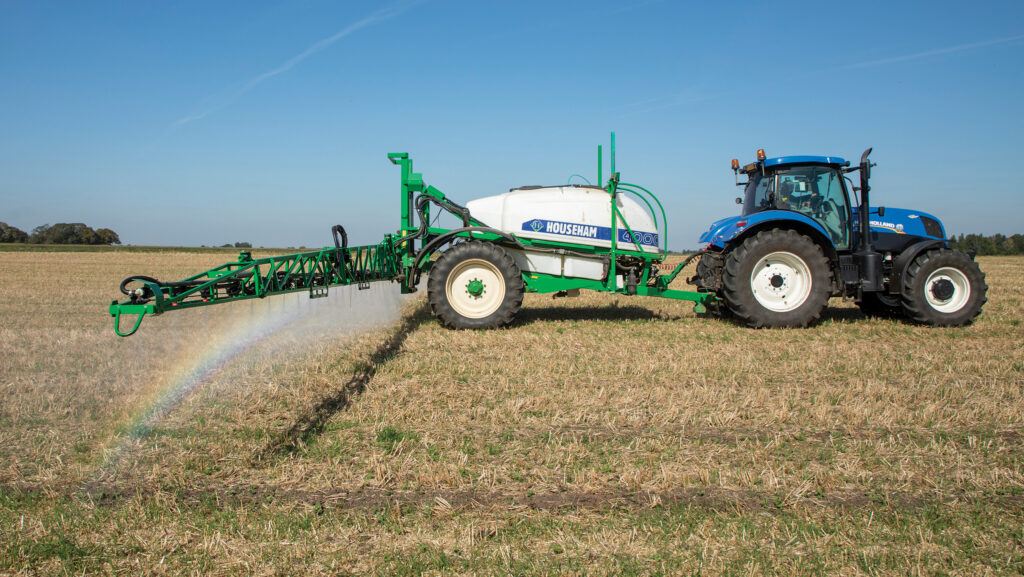
© GNP The dreaded flea beetle seems to be back this season and, coupled with dry conditions, is hammering crops, especially those that were drilled later.
Cereal drilling is also under way and thoughts are on weed control, especially where conditions are dry and may limit pre-emergence efficacy.
See also: 5 reasons why ryegrass is the UK’s most difficult weed
South
Neil Harper, Agrii
(Kent)
The new season has begun much like the last one ended – by managing a lack of moisture.
The profitability of oilseed rape, at least on a spreadsheet, versus other break crops like beans, which experienced poor yields last year, has meant a significant increase in OSR in our area.
However, managing a larger acreage through moisture stress, pest pressure, and heavy weed flushes is proving a handful right now.
Most crops were planted at the end of August and the beginning of September, when we had the rain.
Interestingly, the best crops were planted into dry seed-beds before the August bank holiday, with rainfall forecast.
These had a good 25mm soon after drilling, and the extra few days of growth got them away from flea beetle.
That same rain event has led to a huge germination of grassweeds, which has looked like a carpet in some OSR fields.
With most OSR now at two true leaves, we are busy with clethodim applications.
Prompt application before blackgrass gets too big is critical. It also allows us more time to follow up with a broad-leaved weed spray, once the 14-day no spray interval in the clethodim stewardship guidelines is over, because they too are growing fast.
The timing of broad-leaved weed herbicides is complicated by the fact that we have a lot of companion crops sown with the rape.
Whether its job is to protect the crop from flea beetle or for an SFI action, we need to make sure the companion crop has achieved what we want it to do before we take it out with a contact herbicide targeting weeds in the crop.
Another complication is that where rotations were changed at the last minute to accommodate OSR, we’ve had to deal with unforeseen consequences, as herbicides from the preceding cereal crops have been picked up by the OSR.
We are seeing purpling on some OSR plants, an obvious symptom of herbicide stress, and we are trying to give these crops the best chance with nutrition to alleviate the stress.
It’s another example of how flexible our plans need to be.
Winter drilling
Winter barley and some winter wheat drilling has only just begun. We are mindful of grassweed levels, so we are restricting these early sowings to only the cleanest fields.
As ever, seed-bed quality is critical. Last year made it clear that the crops that tolerated the drought best were those with the best autumn establishment.
It not only feeds into crop vigour and its ability to compete against weeds, but also heavily influences pre-emergence herbicide performance.
Our pre-emergence programmes will be similar to last year, using the best chemistry up front, including cinmethylin and aclonifen, with or without tri-allate.
However, if the weather stays dry, planning for a protracted weed emergence and a shorter half life for our herbicides will mean sequencing of products will be critical to overall control.
But, thankfully, that’s all to look forward to when we next check in.
North
Mary Munro, AICC/Munro Agricultural Consultancy
(East Lothian)
Apart from the far north of Scotland, where there are spring oats still to salvage, harvest was easily got and yields have been very good.
In East Lothian the combines have been put away and sowing is in full swing – I imagine the percentage sown at the end of September would be a record.
The weather has turned more blustery with some heavy showers, but there is still opportunity to drill into relatively dry soils.
© GNP
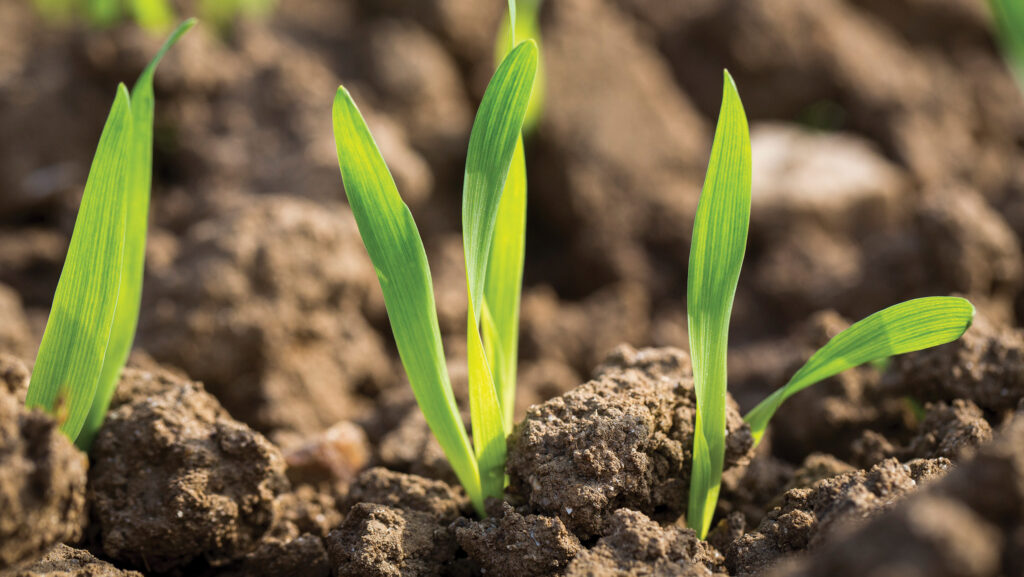
Oilseed rape was drilled in warm, dry seed-beds and flea beetle was in evidence, but not fatal to the crop.
Fortunately, the wind picked up and possibly saved some fields. The whole issue of spraying insecticide is fraught and more than likely counter-productive – the chance of hitting susceptible beetles is fairly small while hitting a beneficial species is all too easy.
Slugs have been more of an issue than might be expected and we have lost some plants to these pests.
The first herbicides are on; pre-emergence metazachlor being the basis for broad-leaved weed control, with varying additions, and the first graminicides also applied.
We will have to wait a while for propyzamide as it is still too warm for it to be effective. Last year was the first in a long time that some propyzamide missed the autumn timing and I will be particularly keen to see this done in the back end.
Winter barley
Winter barley is mainly through the ground and looking good. A lot of wheat has been drilled and growers have generally found varieties to suit their situations, and the bulk of the area is in similar varieties to last year, with some Sparkler and Arnie taking a share too.
The earliest drilled wheat is now at two full leaves, and while the crops look fantastic they are at risk from aphids and gout fly.
Many of my growers apply their herbicides early post-emergence and I am going with variations on a theme of pendimethalin/chlorotoluron/diflufenican/flufenacet for both barley and wheat.
Pre-emergence programmes with cinmethylin and triallate are planned for wheat in problem sites. My basic formula is adjusted for tillage, weeds, what looked good in trials plus my own observations.
I can spend an inordinate amount of time each autumn looking for pests, and thinking it all through to produce a strategy.
West
Will Spurdens, AICC/Ceres Rural
(Shropshire and Cheshire)
Since a good soaking on August bank holiday weekend we have really seen a change in the countryside from brown to green.
This has come as a very welcome sight for everyone, especially for many livestock farmers who are or will be cutting silage crops to help bulk up clamps ahead of the winter months.
Farmers are a resilient bunch and even after a generally poor harvest in the region and the country as a whole, thoughts have now turned to harvest 2027.
All my winter oilseed rape area is now in the ground and everything drilled ahead of the rain is making a good crop with three to four true leaves. We can comfortably say it is ahead of the cabbage stem flea beetle pressure.
Crops which were drilled after the rainfall and especially those which are in poorer seed-beds are struggling a little more and have taken quite a battering to flea beetle.
These are needing regular monitoring but after a more positive week of crop walking and a few more mm in the rain gauge I am feeling more optimistic.
Good seed-beds
Winter wheat and barley drilling has picked up a lot this week and crops have been going into some good seed-beds.
Most fields have been rolled to help conserve moisture and create a better seed-bed for residual chemistry to work.
It is important to choose suitable varieties to drill in the September window with varieties such as Extase suiting later drilling for example.
Pre-emergence herbicides are planned in many circumstances and have been tailored to the specific situation for each field or block.
A large proportion of drilling will be complete by the first week of October ahead of the talk around El Nino and a very wet winter.
Let’s hope it’s not as bad as some people predict but I’d much rather have crops to walk this autumn than not!
East
Rory Kissock, Farmacy
(Essex, Herts, Cambs and Suffolk)
Harvest 2026 for the South East will almost certainly be one to forget. It’s always important to reflect on the decisions made throughout the year and see if any improvements can be made.
Lessons from a drought year are usually few and far between, but there could be some.
For example, organic matter and water retention? Are we doing the most to maintain/increase OM?
A 1% increase in soil organic matter can increase plant available water storage by 15,000-25,000 litres/ha.
For now, though, all we can do is look forward to 2027 and roll the dice again in the hope that the weather will be on our side this year.
Cereal drilling is well under way on most farms – rye, barley and wheat are all going into well prepared seed-beds – albeit very dry.
There are a number of different seed treatments which should be tailored to individual situations.
For example, Signal would not be used across the whole farm instead it would be targeted after oats, SFI mixes, cover crops, and so on to help mitigate frit fly risk.
The use of Latitude will help mitigate take-all symptoms in wheat so is suited to second and third wheat.
Understanding the factors which influence take-all and making an informed decision is important; early drilling, warmer soil temperatures, lighter soils, pH 7+, low soil phosphate indices and moist soil conditions – all of these will have an impact on take-all inoculum levels in the soil.
Oilseed rape
Oilseed rape has had a slow start, the very dry conditions pushed drilling back later than normal.
Growth stages vary from expanded cotyledon to four true leaves, and this largely follows drill date and, more importantly, moisture.
The dreaded cabbage stem flea beetle are causing a lot of issues at the moment, and crops are suffering because of them.
Having had two relatively easy years with regards to flea beetle, this year we are back to normal situations where the damage could write the crop off completely.
The resistance to pyrethroids in the population of flea beetle is so great that the efficacy of a pyrethroid is probably outweighed by the damage it could do to the beneficials.
This leads growers to try alternative methods. Catch crops can be of use in some situations, however, this can lead to competition for water in dry periods.
Silica, marine hydrolysate and garlic extract are a few options that have been trialled in the past with some seeing good results, but it’s very much site specific.
Biostimulants can help enhance the growth of the OSR plants and help “grow away” from the damage CSFB cause, but the plant needs to be a reasonable size to take these up.
Sugar beet crops are yet to be lifted, and the drought has obviously taken its toll, so yield expectations aren’t good.
Disease pressure has been easily managed because of the dry weather. Earlier in the season, beet moth was prevalent in the area and close monitoring of crops was very important in order to understand numbers and time insecticide applications accordingly.
Some growers also saw the invasion of beet army worm which defoliated crops very quickly, they move collectively from one plant to another along the ground causing large levels of damage.
Tip of the week
Thousand grain weights of wheat seed are very variable this year. Understanding how to calculate a seed rate from TGW and seeds/sq m is very important, as not enough seed will limit yield potential immediately.
Rory Kissock
