Experts remind maize growers importance of soil temperature
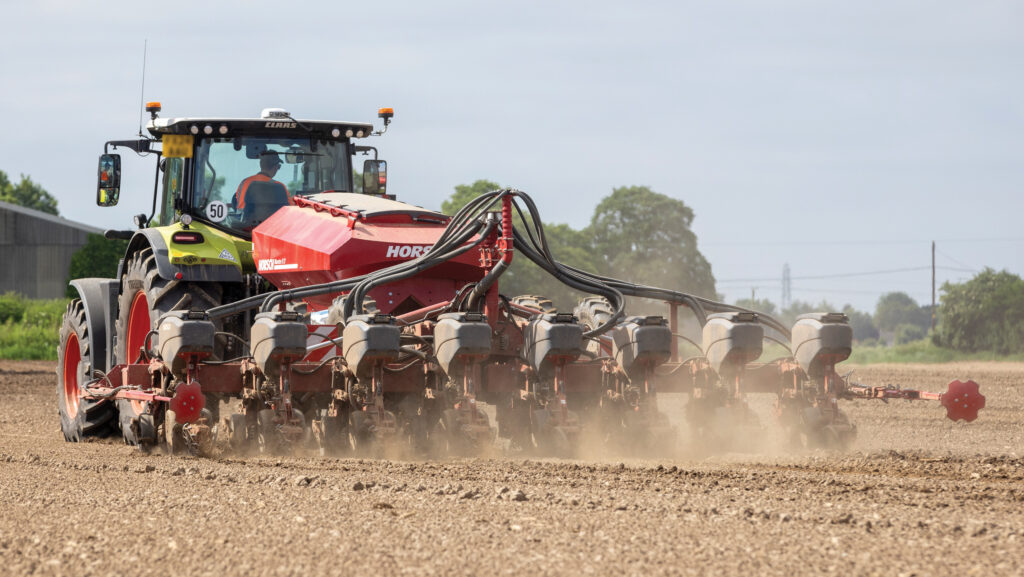 © GNP
© GNP Maize growers are being urged to ensure their soil temperatures are right during the early part of the drilling window and be prepared to adapt to individual field conditions.
Grainseed is advising maize growers that exceptionally warm conditions in March, and early April provided an unusual opportunity to get ahead with maize establishment, but warns that a dip in soil temperature must not be ignored.
Becci Shrimpton, seed sales specialist at Grainseed, says drilling between 20 April and 20 May is normal practice for most farmers, and any opportunity to move during this time is advised, but only if the soil and weather conditions are right.
See also: Why demand for hybrid rye and maize is set to rise
“Soil temperature is the key factor when deciding the right time to drill,” she explains.
“We need the soil to be 10C at 10cm for at least four days when tested at breakfast time, the coldest part of the day.
“If drilling early, check the long-term forecast carefully to avoid seed sitting in a cold, wet seed-bed.”
Limagrain Field Seeds UK and Ireland maize manager Tim Richmond agrees, adding moisture content and any possible compaction issues are also the primary considerations, which along with soil temperature play an important part in achieving successful crop establishment.
Variety selection, nutrition and pest control are also important, he adds, but the success of any crop starts with putting the seed in the ground at the right time for the conditions.
For soil moisture, Tim says the best way to establish this is to pick up a clod and press it between your fingers.
“If the soil crumbles, without sticking, then it will be possible to create the firm, fine seed-bed essential for good soil-to-seed contact. If soils are left too loose, the risk of bird damage is increased.”
Finally, whilst checking temperature and moisture content, he advises carrying out a final check for any signs of compaction.
“This should have been rectified before this point, but given the fact that compacted soils can reduce yield potential by as much as 35%, it is well worth zoning in on some of the more susceptible areas of fields whilst there is still time to do something about it.”