Farmer Focus: Wait for rain is agonising
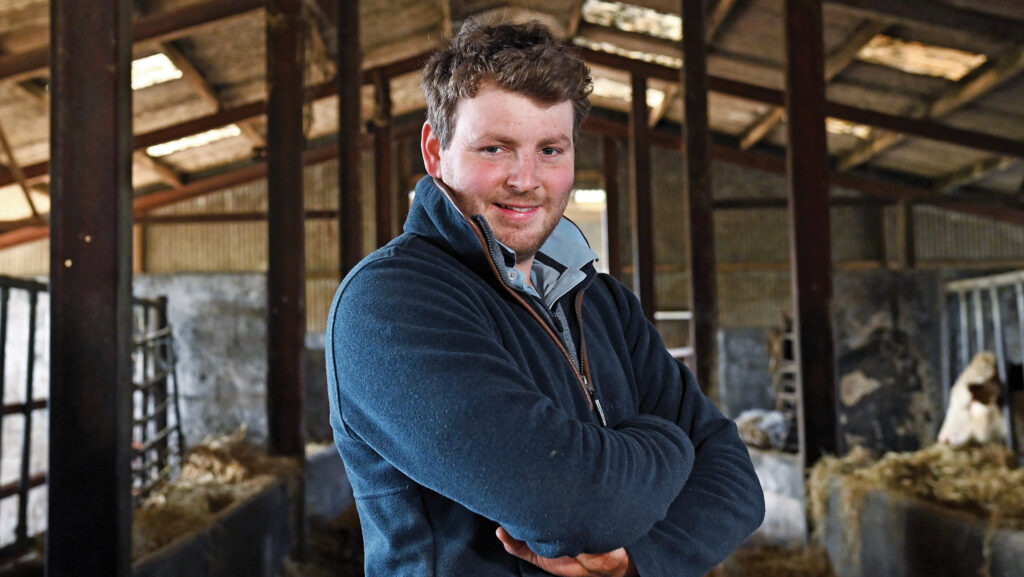 Billy Lewis © Richard Swingler
 As the days tick by and August draws to a close, we are still agonisingly awaiting some rain here in Herefordshire.
Since the beginning of June, we have recorded a whopping 9.5mm of rainfall in total.
As you can imagine, it’s not very easy to do anything to the ground when it’s so dry.
See also: Second wheats struggle in rain-affected Scots harvest
About the author

So, the only bit of fieldwork I’ve managed since harvest is topping the grass out of the bottom of the hedges in a few fields.
Even that was done nervously, with a fire extinguisher on standby.
We are forecast some thunder showers. If they materialise, and we receive enough rain to actually make the soil workable, I will crack on.
I don’t have an enormous acreage to do, so a good handful of days will see me get on top of it.
In my last piece, I reported on the yields of what we had cut so far. Since then, we have finished off the wheat and spring beans.
Crops that looked like they had the potential for a bumper yield, in the end turned out fairly average.
The overall wheat yield came in at 8.49t/ha, and the spring beans managed 3.79t/ha. Interestingly, all of the cereals produced a vast amount of straw this year.
In reality, I’m quite pleased with these figures. It probably goes to prove that our soils and farming system are offering a degree of resilience to the continuing weather extremes.
What hasn’t fared quite as well this year is our grassland. Our temporary leys and permanent pasture have all totally given up.
The livestock are hammering bales of hay and silage now. At this point in a normal year, we would be using one or two bales a week for housed cattle. Currently, we are using about 25.
This has really focused the mind again for next year, when we will need to push for very big first cuts, earlier in the spring.
This way, if the weather patterns are similar once more, we at least stand a chance of getting a decent second cut before it completely dries out again.