Farmer Focus: Drilling oilseed rape in three different methods
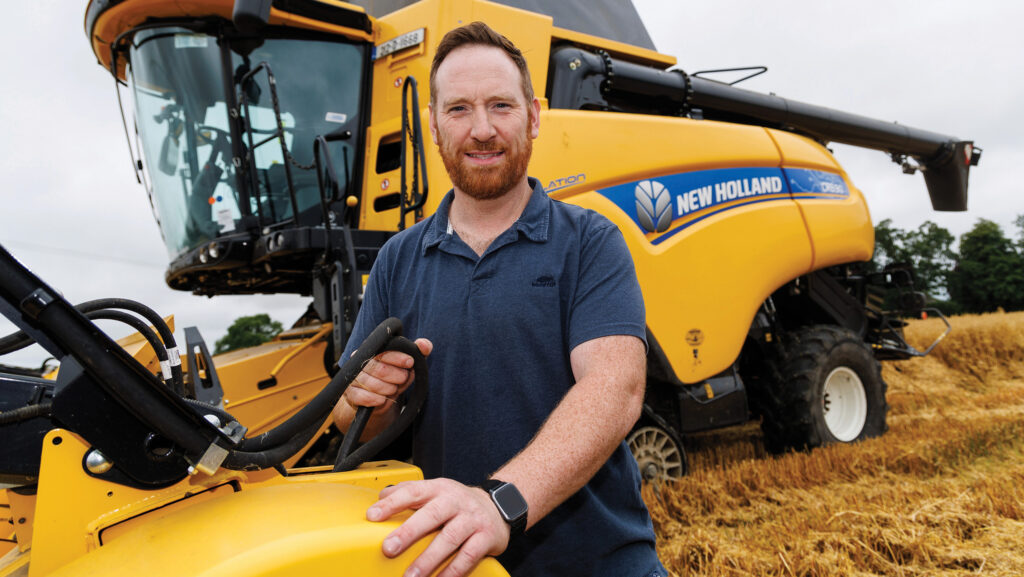 Peadar Whyte © Damien Eagers Photography
 With harvest finished in record time, the combines are now sitting waiting for the beans. They can be frustrating to wait for, especially after we had weeks of good weather left once the winter wheat was finished.
In the meantime, our attention switched to sowing oilseed rape. Our main establishment method is a 5m He-Va subsoiler, which allows one man to plant all our oilseed rape even when harvest is still ongoing and the crop needs to go in.
See also: Growers to hold nerve on oilseed rape drilling until rain arrives
About the author

Disc coulters sow into the loose soil disturbed behind the subsoiler legs. It can be tricky to get right, but in good conditions it grows great, strong plants.
The taproot follows the track of the subsoiler leg down, helping provide a longer-term fix for compaction. The wide row spacing also gives the plants plenty of room to branch, creating a deep profile of pod formation.
This year, the drought and rock hard soil had us welding on points and wings every day as the ground simply destroyed steel.
We cultivated and combination-drilled some ground, while one share farm was ploughed and one-passed. That effectively gives us three establishment methods this year, and something to debate the pros and cons of for the next 12 months.
Despite the Sahara-like conditions, and plenty of anxiety over whether there would be enough moisture, we pushed on.
When we finished all the planned acres, we decided to go all in and take an extra 110 acres that had been allotted for beans and plant more oilseed rape.
The land has been in a cereals only rotation, so I believe the rapeseed will thrive in it. It also means fewer beans to wait around for next year.
We were relying entirely on moisture coming from the sky because there was none in the soil. There wasn’t much about. A total of 8mm fell in random showers that hit one field and missed the next. Then it was dry for another week.
I’m happy to say that, it’s now raining again and not a minute too soon. More is promised in the coming days, so hopefully we’re safe.