Farmer Focus: Getting to grips with new employment rules
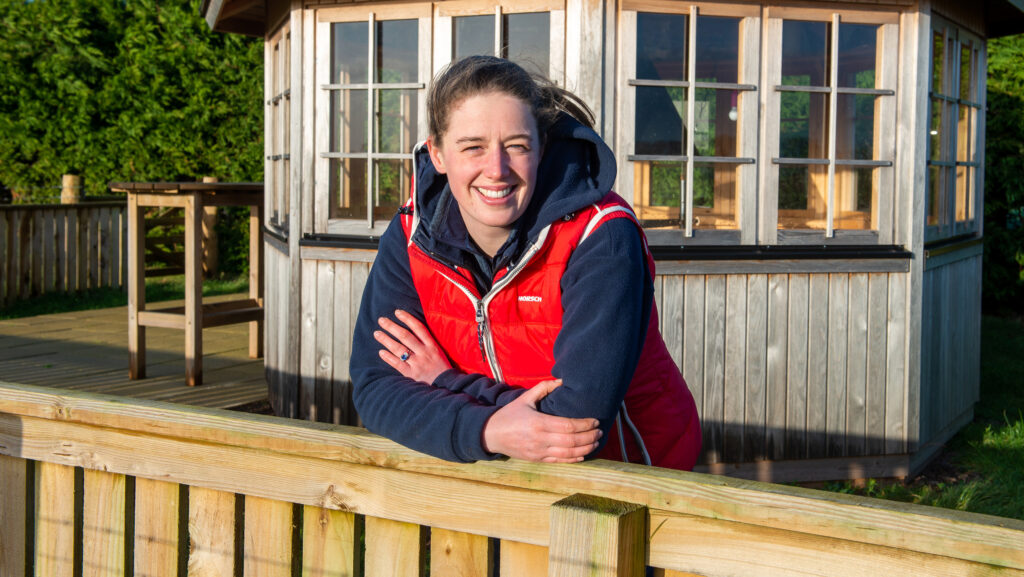 Annabel Hamilton © Angus Findlay
 I was recently scheduled to attend a local employment law event, but it was cancelled after only five businesses registered. Instead, the speaker visited the farm and delivered a one-to-one session.
We discussed contracts, workplace policies, and the latest legal changes. Many of these updates, introduced by the government, appear to strengthen employee protections, leaving employers under increased pressure.
Employees gain extensive day-one rights and now have up to six months, rather than three, to bring a tribunal claim.
See also: Why SFI26 doesn’t stack up for Herefordshire farmer
About the author

After an hour in the meeting, I felt overwhelmed; employing staff seems increasingly complex and risky, yet it remains essential for running the business.
I encourage you, if you haven’t already to familiarise yourself with any new law changes.
This tied in to completing our annual wage reviews at the beginning of April. These are important conversations, balancing fairness to staff with the financial realities of running a farm.
Rising costs across the board have made this year’s discussions more challenging, but retaining skilled, motivated people remains essential, and as a result, annual wage increases have been implemented.
In other news, our application to the Future Farming Investment Scheme back in November 2025 was successful.
We were fortunate to secure grant funding to install rainwater harvesting infrastructure on our new grain shed.
With a significant amount of roof space and an increasing emphasis on sustainable practices, this felt like a practical and forward-looking investment.
As the shed nears completion, we have begun connecting the rainwater harvesting system. With 75,000 litres of storage capacity, it will be an interesting exercise to see how long it takes to fill.
A total allocation of £21m was made available, yet 7,582 applications were submitted, collectively seeking more than £77m in funding.
Of those, 1,794 grant offers were issued, amounting to £22m. That gap between demand and available funding speaks volumes.

Staying sharp shouldn't be a chore