Farmer Focus: Marginal land yields akin to those in Australia
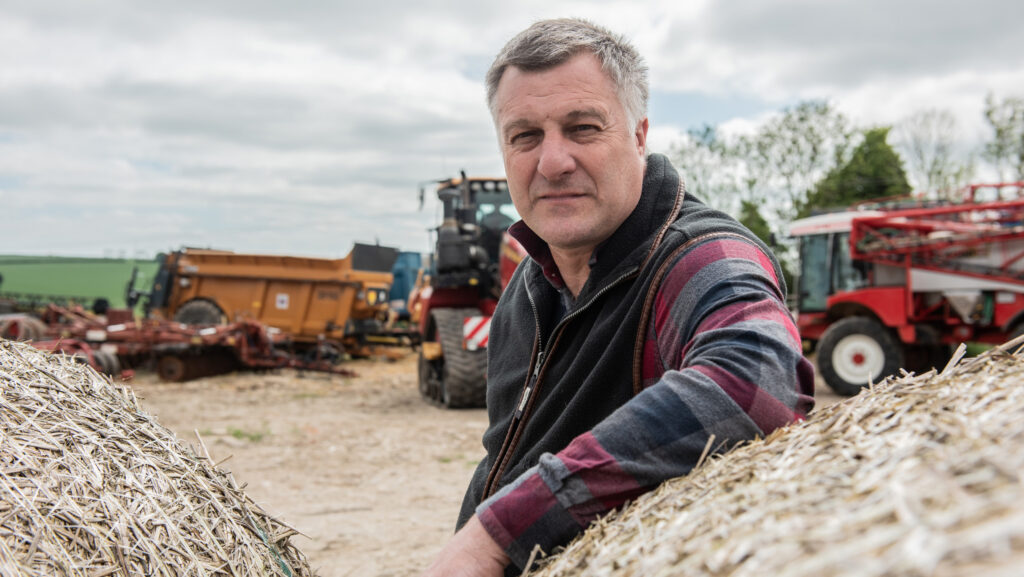 Mark Stubbs © Phil Weedon
 Here in barren West Norfolk harvest has nearly finished. We cut 90% of our crops in July, leaving just spring beans to gather in.
It has been a straightforward affair due to the ongoing drought.
See also: Trial investigates nanofibre tech benefits for wheat disease
About the author

The small area of stronger land that we farm has yielded well. Sadly, the larger proportion is marginal, and yields are more akin to those seen in Australia.
If I did farm in Australia, depending on the region, I could apply for government-backed drought assistance.
This includes low-interest relief loans, on-farm infrastructure grants, or “carry-on” finance to fund next year’s crops.
The UK offers nothing like this at present, but perhaps we should, as our climate continues to change.
The realities of climate change are truly hitting home.
My own farm has produced its worst yields in two generations, irrespective of farming method used, whether regenerative or conventional.
We cannot carry on as we are. We must adjust our systems to keep growing food; half-cooked government environmental schemes will not fix the deeper problems.
For the coming year, I have purchased more livestock and will be putting even more marginal arable land down to sheep walk.
This strategy worked back in the 1930s during the last agricultural depression. Given current strong livestock prices, I see no reason for it not to now.
I have also changed our cropping plans, growing less spring cereals, and increasing our grain rye area, which serves as a drought-hardy cereal for light land.
Like most farms in the East, we will also try to capitalise on strong straw prices to make ends meet for now.
On the positive side, the consistently dry weather made me more relaxed about working hours this summer.
We enjoyed a day off every weekend in July, and the combine was turned off during teatime.
These are things I wouldn’t normally contemplate, and morale has remained high.
As I turn my attention to the year ahead, I have paused planting winter cover crops until moisture returns.
The summer catch crops planted a month ago haven’t germinated, and we need to save metal and diesel.
The great joy of farming is that we now begin a new year and can allow ourselves a small chance to be optimistic for the future.