Farmers warn glyphosate ban could drive up food prices
 © Tim Scrivener
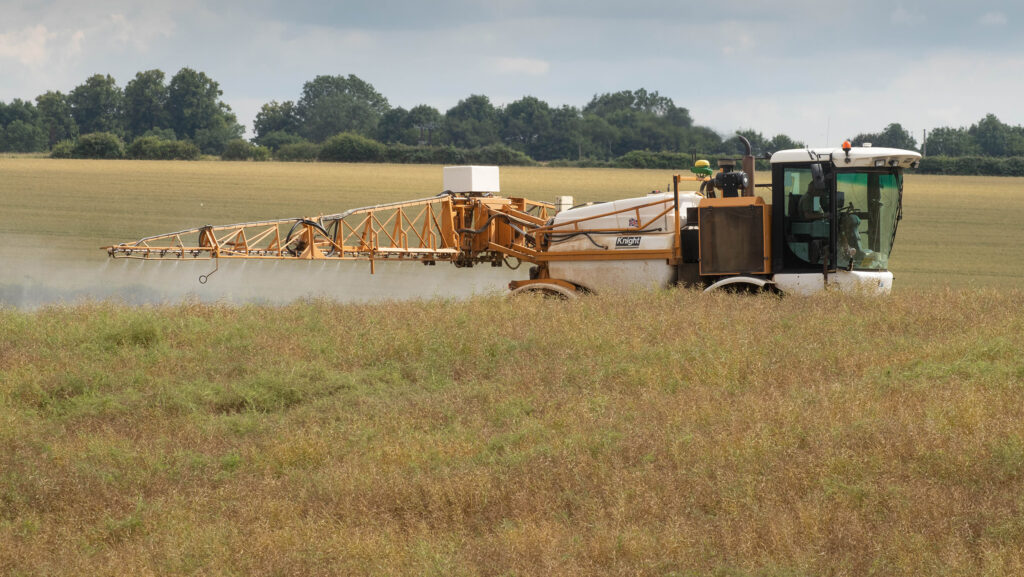
 Potential restrictions on glyphosate as a pre-harvest drying agent could increase food prices and threaten domestic crop production, according to new farmer-led data from United Oilseeds.
A survey of 767 growers across Great Britain found 76% use glyphosate for pre-harvest desiccation, with 67% saying losing it would raise costs and 66% expecting higher crop losses.
A further 72% warned some crops could become difficult or impossible to grow without it.
Farmers say this would feed through into higher food prices and greater reliance on imports, including products likely treated with glyphosate overseas, raising concerns over competitiveness for UK producers.
See also: Row intensifies over pre-harvest glyphosate use
Defra’s UK Food Security Digest has also highlighted growing reliance on imports, including vegetable oils, to meet domestic demand.
The findings come amid renewed debate, including coverage on BBC Radio 4’s Farming Today and calls from the Soil Association and other campaign groups to restrict use.
Environmental trade-offs are also raised, with growers warning a ban could increase ploughing, fuel use and drying costs, while reducing practices such as cover cropping.
On Farming Today, Andy Neal of the Centre for Dynamic Soils said removing glyphosate could lead to more cultivation, with potential soil and carbon impacts.
Impacts are expected to be greatest in northern regions, where 97% of respondents currently use glyphosate due to shorter harvest windows.
System breakdown
Colin McGregor, a Scottish Borders farmer and United Oilseeds director, said: “If pre-harvest glyphosate is removed and harvests are pushed later, the system starts to break down. It means higher costs, more fuel use, more drying, and ultimately higher food prices.”
United Oilseeds managing director James Warner said policy must reflect “practical, evidence-based outcomes” and global supply realities.
With a GB licence renewal decision due by the end of 2026, NFU deputy president Paul Tompkins said regulatory assessments consistently find glyphosate safe when used responsibly and expect approval to be renewed for 15 years, calling it an “essential tool for UK farming in an increasingly unpredictable climate”.
Staying sharp shouldn't be a chore