Growers urged to wait for plenty of moisture before drilling OSR
 © Tim Scrivener
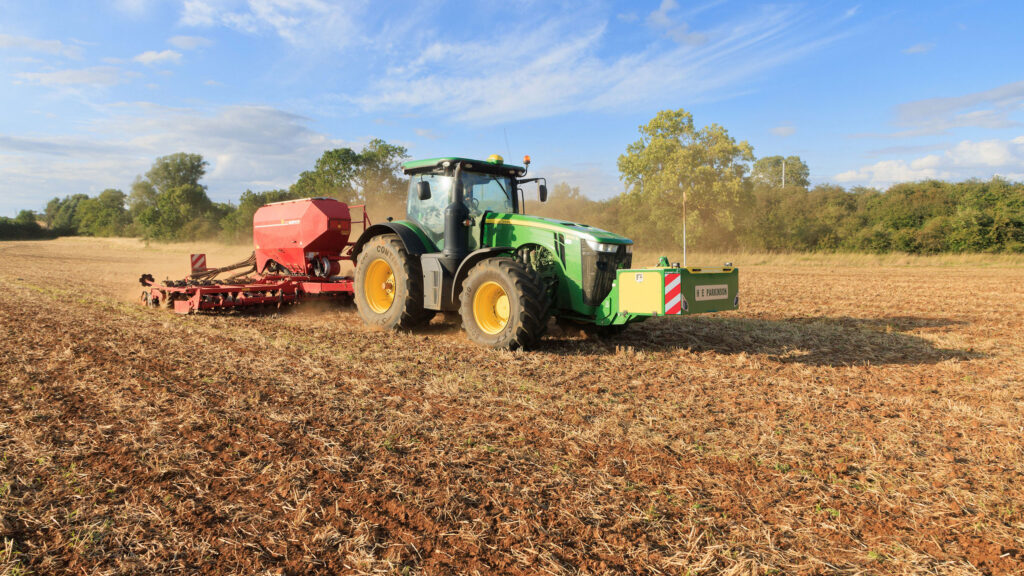
 Oilseed rape growers in the bone dry areas of southern and eastern England are being urged to hold their nerve and wait for moisture to arrive, rather than be guided by the calendar.
The advice comes from Florentina Petrescu, oilseed rape product manager for Limagrain UK Field Seeds, who says the hot, dry summer has left soils critically short of the moisture needed to establish a crop successfully.
“There needs to be a decent amount of rain to restore moisture levels to where they need to be to sustain a rapidly emerging rape crop,” she says.
See also: Why grassweed control is vital in oilseed rape crops
Oilseed rape (OSR) seed goes through a series of physiological processes during germination. Initially, the seed rapidly takes up water through imbibition, initiating germination.
Continued water uptake is necessary to support further metabolic activation until germination is complete.
“How often have we seen seed that has started to germinate, only for it to wither away through lack of soil moisture before completing emergence?” says Florentina.
“This shows how sufficient moisture is needed in the soil to start the process, and then more rain following drilling, to ensure there is enough moisture for the crop to emerge.”
Her advice is to be guided by seed-bed conditions rather than the date on the calendar.
“With not much rain in the forecast, many will be worrying about compromising establishment by holding off drilling until conditions improve. However, holding off doesn’t compromise yield,” she says.
Florentina points out that it is possible to get good yields from later-drilled OSR, when it is sown into the right conditions.
“In fact, later-sown crops can often outperform some of the earlier drilled crops,” she says.
Hybrid varieties will also have better vigour contributing to faster emergence and greater early biomass accumulation which results in a rapid establishment of the crop, she explains.
She points out crops drilled mid-September up in the Lincolnshire Wolds achieve yields of more than 6t/ha, so there is definitely high-yield potential for crops drilled into September in the right conditions.
“It is crucial to give the crop the right conditions to establish from the start, because that gives it the best chance of reaching its full yield potential. Drilling when conditions are not right means yield potential has already started to be eroded before the crop is even out of the ground.”
Sarah Bell © Limagrain
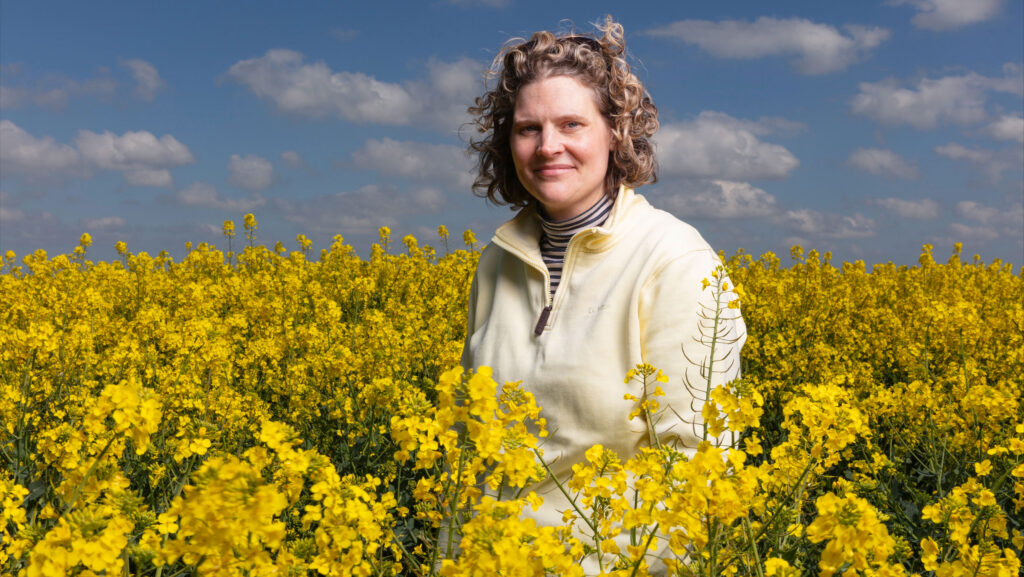
That principle of waiting for the right conditions has been borne out for Rutland grower Sarah Bell.
Her 17ha crop of Armada has delivered exceptional results after being drilled into a firm, moist seed-bed last August after timely rain in late July into early August.
This is proof, she says, of what a modern hybrid can achieve when conditions are favourable from drilling right through to harvest.