Rapeseed co-op forecasts UK yields to exceed 4t/ha for first time
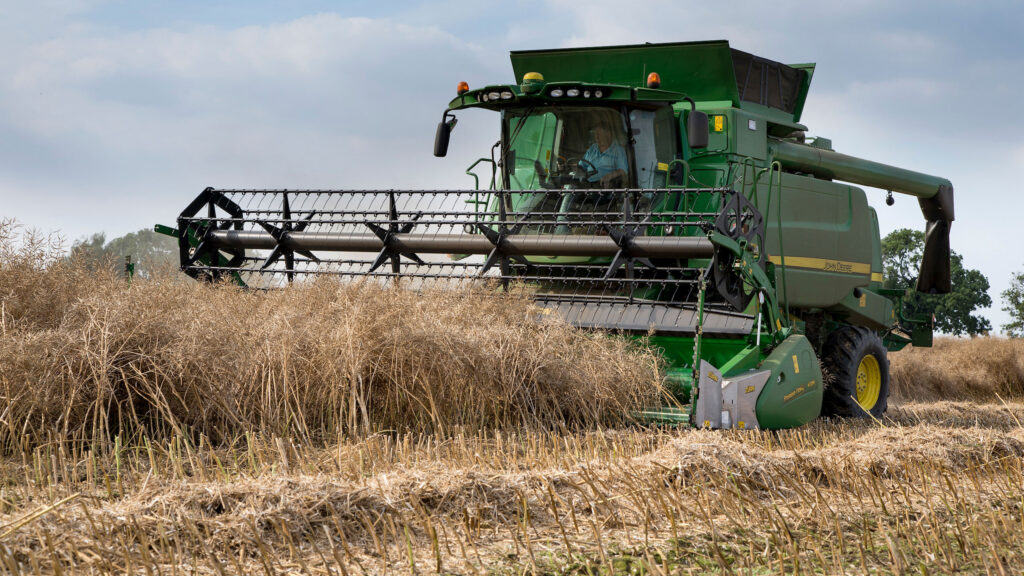 © GNP
© GNP United Oilseeds is forecasting average UK oilseed rape yields to exceed 4t/ha for the first time this harvest, potentially setting a new record for the crop and reinforcing the growing sense of optimism with the crop.
Based on harvest data collected annually from members across the country, the break crop specialist co-op says early indications suggest this year’s crop could comfortably outperform long-term averages.
See also: Growers to hold nerve on oilseed rape drilling until rain arrives
For context, AHDB data shows the UK 10-year average OSR yield is around 3.3 t/ha, while the five-year average heading into the 2025 season was about 3.1 t/ha.
The AHDB reported a national average yield of 3.7 t/ha in 2025, one of the highest levels seen since 2017.
With England’s harvest largely complete and Scotland rapidly drawing to a close, reports from growers across the UK point towards a crop that has consistently exceeded expectations, says United Oilseeds.
The 2025-26 season will be remembered for prolonged dry weather across large parts of the country, but oilseed rape demonstrated one of its greatest strengths: resilience.
The co-op points to the crop’s deep-rooting nature which enables it to access moisture from deeper in the soil profile, helping maintain performance during periods of drought stress.
“Throughout the growing season, many United Oilseeds members reported crops looking exceptionally well, with some describing OSR as their best-performing break crop and, in several cases, the best-paying crop on the farm.”
Looking ahead, higher-performing varieties, improved understanding of cabbage stem flea beetle management, stronger establishment strategies and favourable market dynamics are all helping restore confidence in the crop.
“If harvest results continue on their current trajectory, with average yields exceeding 4 t/ha, 2026 may well be remembered as the season that confirmed OSR’s place as one of the most valuable and resilient crops in the UK rotation.”