

Advertiser content
High output or early harvest? New KWS wheats at Cereals
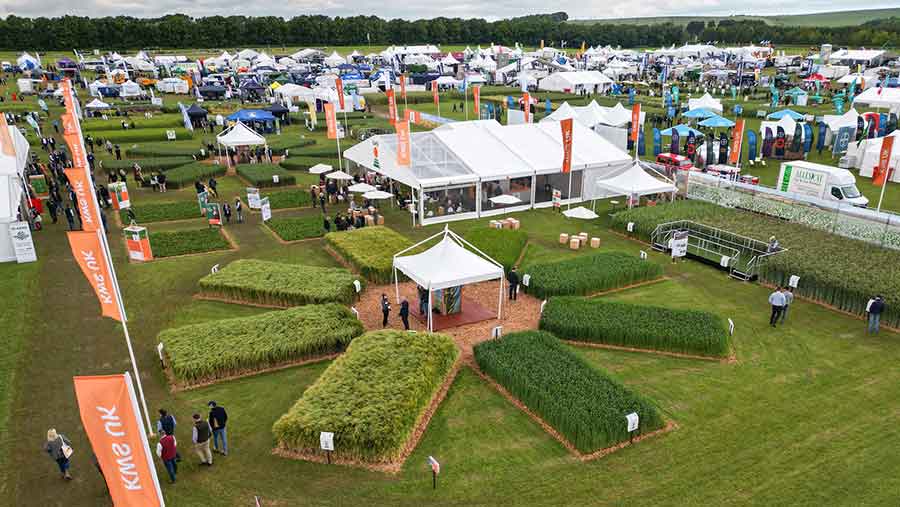
Growers weighing up feed wheat options for the season ahead will be able to compare two different offers from KWS at Cereals 2026.
One aimed at maximum output, the other designed to bring harvest forward and widen the window for the next planting season.
For many growers, variety choice is no longer just about headline yield. It may also be about consistency, workload demand at harvest and how well a variety fits the wider rotation.
© KWS UK LTD
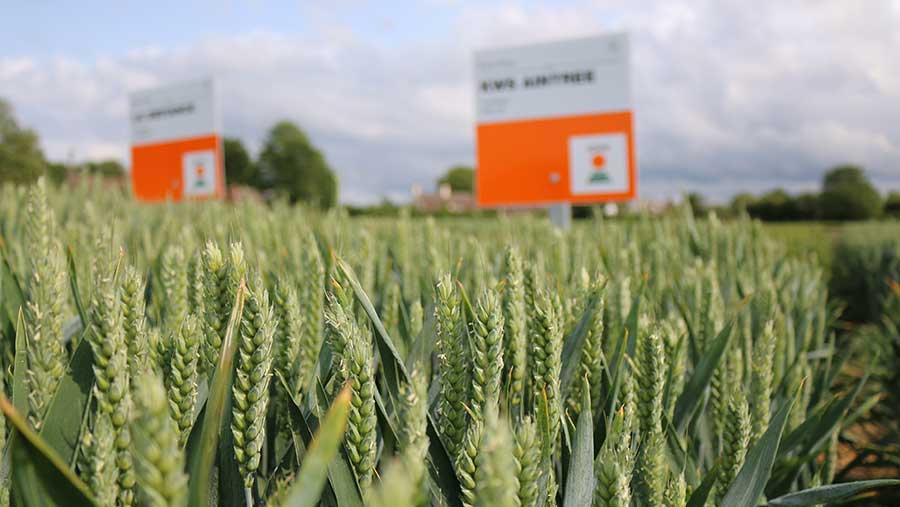
Cereals will highlight that contrast through KWS Aintree and KWS Fowlmere, two hard Group 4 wheats with different on-farm strengths.
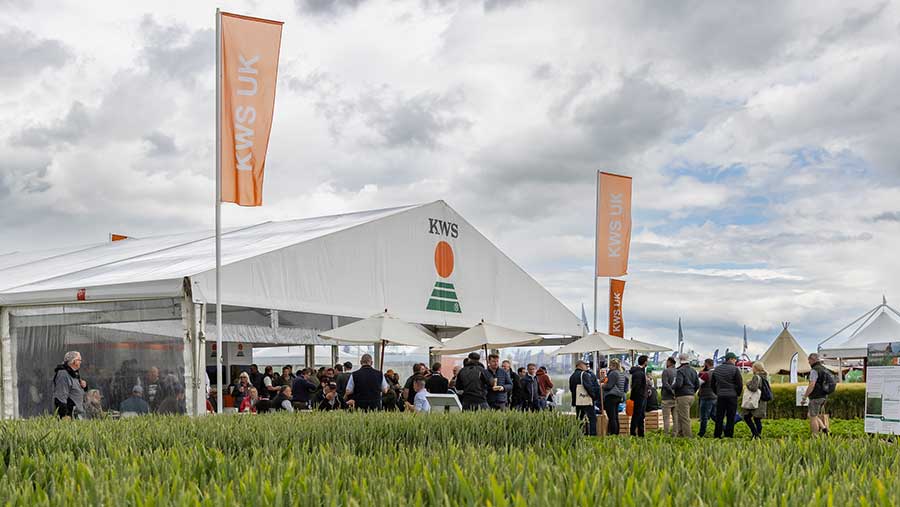
Kate Cobbold, head of product management at KWS, says the event gives growers a useful chance to compare varieties side by side and assess where they may fit in the rotation.
© KWS UK LTD
Aintree targets outright feed wheat output
KWS Aintree is the highest-yielding winter wheat on the AHDB Recommended List, at 110% of controls.
That figure is also backed by consistency, with treated yields of 110, 111 and 110% across the past three trial seasons. For growers focused on feed wheat performance, that gives it a strong output-led position.
The variety also brings a specific weight of 78.7kg/hl and orange wheat blossom midge resistance, adding to its appeal where grain quality and risk management both matter.
© KWS UK LTD
Fowlmere offers earlier harvest flexibility
Alongside Aintree, KWS Fowlmere offers a different kind of fit.
Its main point of difference is earliness. With a -2 maturity rating, it is the earliest-maturing variety on the current Recommended List, which could make it a useful option for growers looking to spread harvest workload or create an earlier entry for following crops.
That may be particularly relevant where businesses want to open up a wider drilling window for oilseed rape or reduce pressure on combining logistics.
Importantly, that earlier harvest opportunity does not come with a major drop in output. KWS Fowlmere delivers 106% of controls, with an untreated yield of 88%, a specific weight of 79.8kg/hl, a Hagberg Falling Number of 299 and UKP export suitability.

Kate Cobbold © KWS UK LTD
Two varieties, two different jobs
Kate says the two wheats show how variety choice is becoming more tailored to individual farm priorities.
“For growers looking to maximise output from a feed wheat slot, KWS Aintree has clear appeal,” she says.
“But where earlier maturity and harvest management are higher on the list, KWS Fowlmere brings a different advantage, and having that choice matters when growers are balancing performance with practical fit across the rotation.”
Provided by
KWS is one of the world's leading plant breeding companies combining 165 years of heritage with leading edge technology and a commitment to develop and deliver varieties with the best yields, disease resistance, physical traits and resistance to abiotic stress.