How to improve habitat connectivity with hedges
 © Tim Scrivener
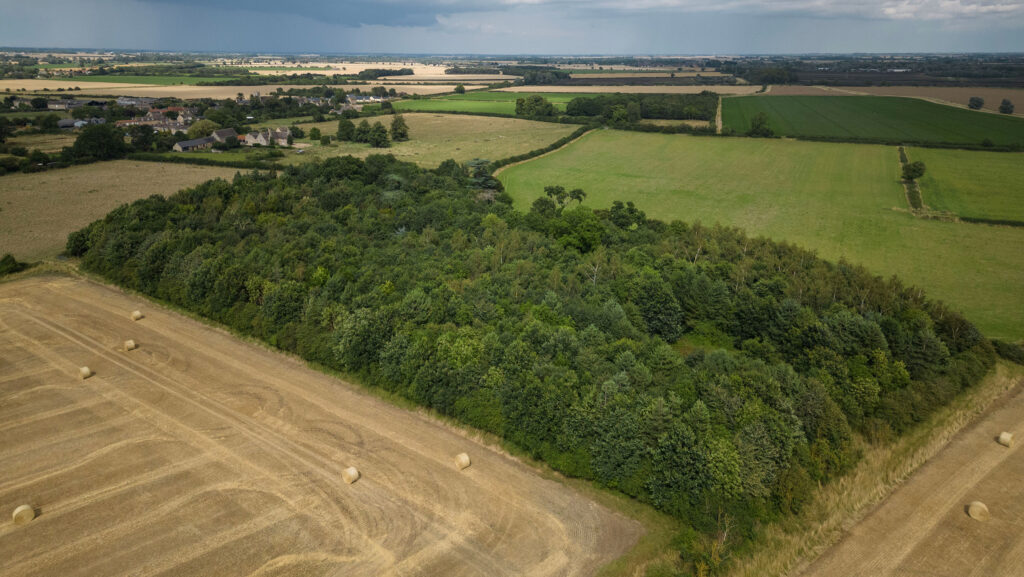
 Hedgerows have a key role in supporting woodland biodiversity, but do not improve the connectivity between patches of woodland for insects, according to the latest findings from the Organic Research Centre.
Blocks of woodland surrounded by hedgerows work well for insect diversity, with species moving between them, says researcher Colin Tosh, but using hedges to connect distinct patches of woodland does not have the same effect.
See also: How mapping software could simplify and speed up SFI applications
“Hedges are a valuable landscape feature as they promote population stability and prevent loss of genetic diversity,” he points out.
“But where arthropods are concerned, there’s no evidence that they move through hedges to get from one patch of woodland to another.”
Birds
This is not the case for wildflowers or birds, which use hedgerows as habitat corridors.
“With birds, there’s 15 times more movement between connected sites. Compared to arthropods, the evidence is strong,” he says.
Colin adds that in a farm setting, a hedge in isolation is not enough for insects.
“They need a suite of connected structures, such as clumps of trees, wet features and flowering strips.”
A good hedge for wildlife needs to be a minimum height of 1.5m and width of 1.5m, reports Lisa Norton, senior scientist at the UK Centre for Ecology and Hydrology, with the base of hedge playing an important role.
“Hedges need to be managed in a 20-30-year cycle, so that they form a thick base and are subject to regular, incremental cutting.
“On a whole farm scale, it’s best to have the complete cycle represented, so that there are lots of havens for biodiversity.”
Dormice
A habitat corridors study with dormice showed how continuous, well managed hedgerows help dormice move through the landscape.
“They preferred staying in hedges instead of moving into open habitat and they avoided even small gaps in them,” she notes.
“If they had to travel further for food, they did move through open grass for at least 100m, but their default is to stay protected by the hedge.”
National monitoring shows that England is still losing woody, linear features, but the rate of loss has slowed, she reveals.
“Environmental schemes have been effective in helping with hedge planting and management,” she says.
“We now have work on assessing the biodiversity value of newly planted hedgerows, so that their contribution is recognised and we understand when they reach their full potential.”
Case study: Dunthrop Farms
© MAG
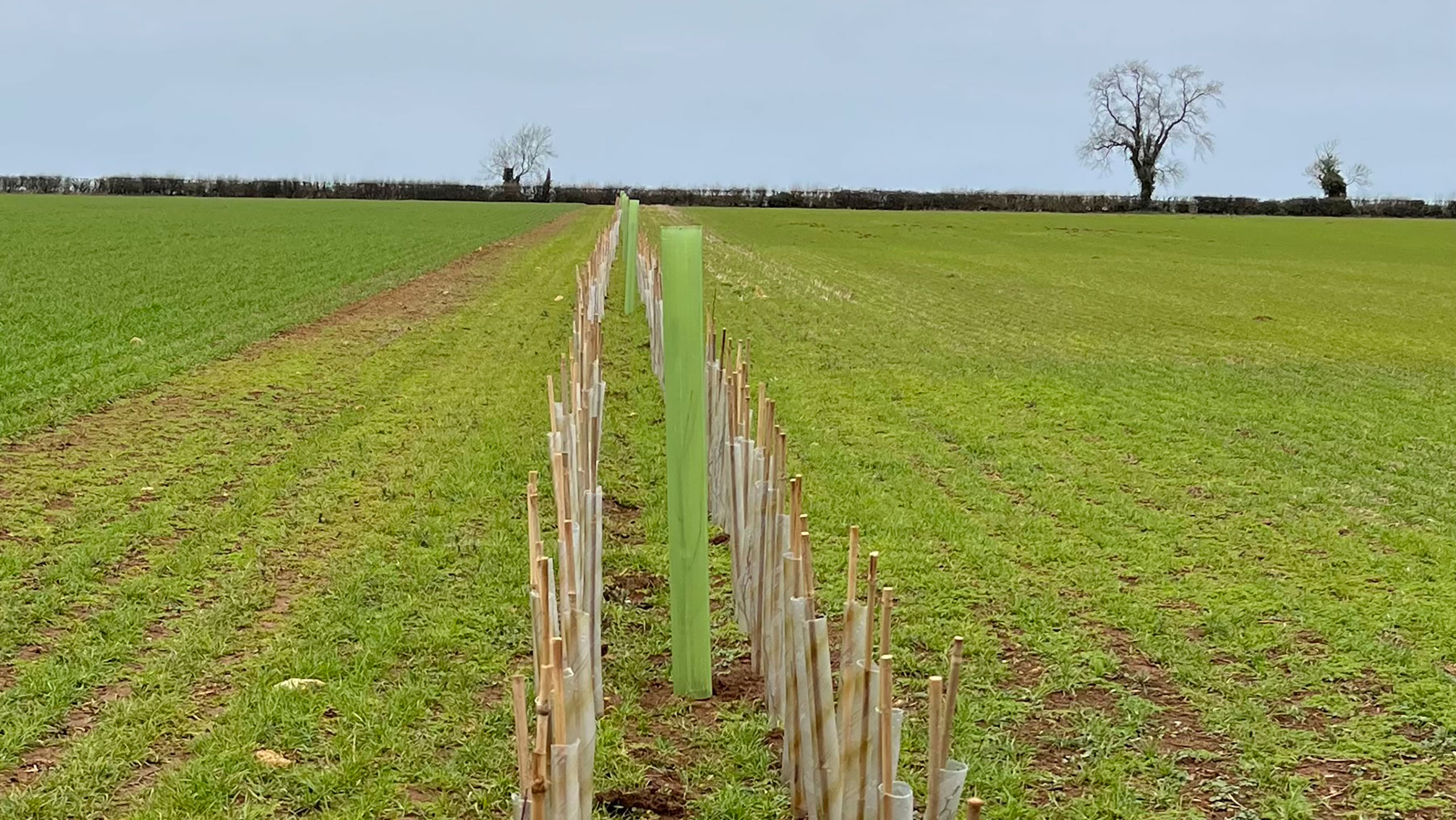
Some 6.5km of hedges have been planted at Dunthrop Farms in the Cotswolds over the past 10 years, as part of a resilience plan for the business as it copes with the rapidly changing climate.
Tim Coates says that having an increasing diversity of habitats across the farm supports both the livestock and arable enterprises, providing beneficials to help with pest control and ensuring shade and shelter for livestock.
While he admits that his hedges are a mix of the good, the bad and the ugly in terms of condition, he believes they are making a difference to the farmed landscape and his ability to deliver public goods.
“We know much more about what makes a good hedgerow and how we should manage them now,” says Tim.
“And that’s helping with the management of habitats on a landscape and catchment scale, so that we can collaborate with others.”
He was able to access public funding for most of the hedgerow planting done on the farm to date, so is disappointed that some of the funding that he was able to take advantage of over 10 years has already been removed.
“The Farming Roadmap indicates that more of this money will disappear. If we’re going to build in more resilience on our farms in this way, long-term incentives are needed.”