Expert advice on creating biologically dynamic soils
 © Tim Scrivener
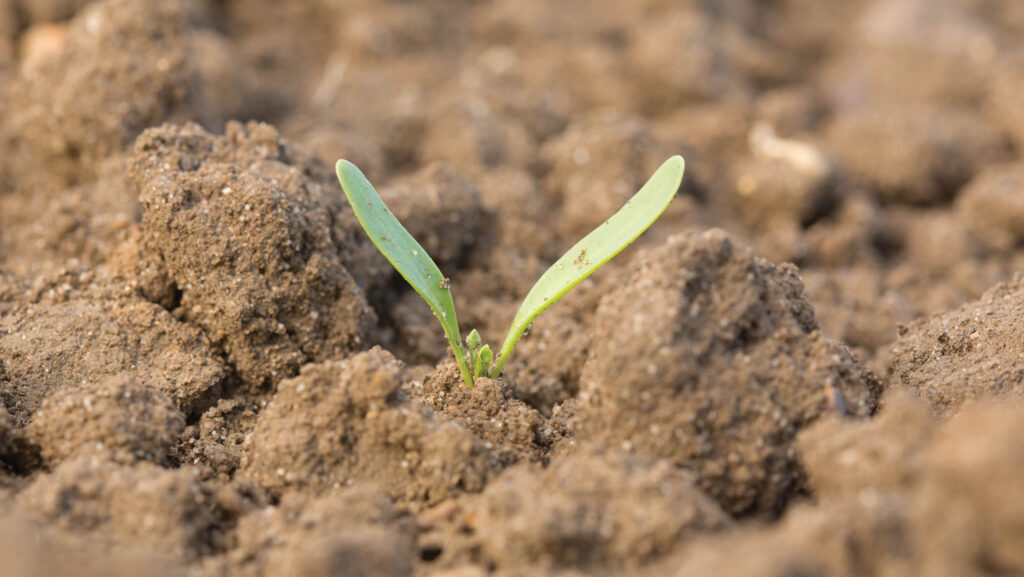
 There is currently an influx of biological products coming to the market promising improvements to soil health and yield, but can these claims be sustained in practice?
Creating a biologically dynamic soil is the aim for many forward-thinking farmers. Biological products can play a useful role in cropping systems, often helping overcome immediate plant deficiencies.
See also: Trials reveal best ways to maximise cover crop benefits
However, independent agronomist Mike Harrington, director of Edaphos agronomy, says: “Any positive response from a product indicates an underlying weakness in the system – and this weakness needs addressing.”
“The long-term solution is to work from the soil up, not the product down. We want to create a system which farms microbes from the soil up,” he explains.
Two nutrition philosophies
According to Mike, cropping systems operate under two opposing nutrition philosophies:
- Feeding the soil life, so the soil feeds the plant
- Feeding the plant directly, where the soil serves merely as a medium to transport nutrients.
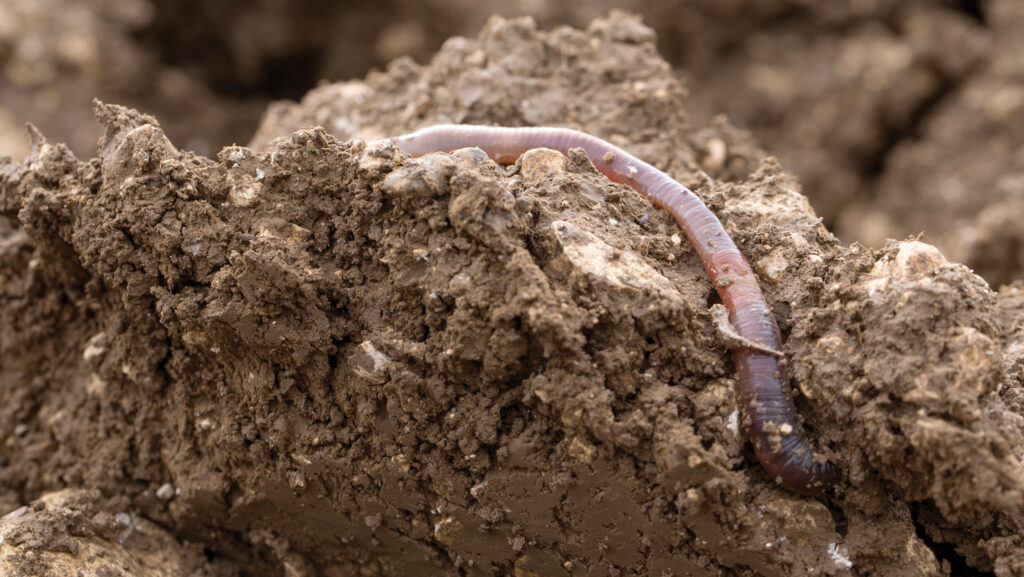
Healthy soils are abundant in beneficial microbes that enhance fertility and root development.
Many of these organisms, known as endophytes, inhabit plant roots and internal tissues, moving through the plant and into the seed, allowing microbial benefits to be carried forward into the next generation of crops.
However, in poorly aerated, anaerobic soils, beneficial microbes are suppressed, root growth is restricted, and pathogenic organisms begin to dominate.
The result is a biologically depleted soil, weak rooting systems, and increased vulnerability to disease.
© GNP
The ultimate aim is to create soils that are dynamic – teeming with diverse microbial communities that promote growth and nutrient cycling.
Yet modern farming methods, often intensive and chemically dependent, tend to erode this structure, gradually shifting soils toward a pathogenic, low-functioning state, notes Mike.
Feeding the roots
To build biological rich systems, farmers must focus on developing extensive, healthy root structures.
Robust roots capture more sunlight and carbon, drive nutrient exchange, and support greater microbial diversity.
Microbes rely on root exudates which are carbon-based compounds released by plants as their primary food source.
This is why microbial inoculants alone can show limited results, as they require both roots and food sources to function.
Progress, therefore, depends on a whole-system approach which balances plant nutrition, soil health and microbial life, rather than simply applying microbes or biostimulants in isolation.
Balancing nutrition
For microbes to work efficiently, the plant itself must be nutritionally balanced. Deficiencies or imbalances within plant tissue limit microbial activity and resilience.
Every nutrient interacts with others; excess or deficiency in one can antagonise several others.
- Calcium, manganese and zinc strengthen plant cells and prevent disease spread
- Potassium and phosphorus reduce yellow rust risk
- However, too much magnesium can increase yellow rust risk by blocking potassium uptake
- Excess calcium may lock up trace elements, while too much silicon can harden plants to the point that young growth becomes unpalatable.
- Similarly, high potassium can limit magnesium and boron uptake, while too much nitrogen combined with magnesium reduces potassium levels.
“Each nutrient must be carefully balanced. Regular soil, sap, and tissue testing are essential tools for understanding what plants and soils need, helping to avoid long-term imbalances,” says Mike.
Silicon for strength and defence
Silicon is one of earth’s most abundant elements and has beneficial impacts on plant health. However, much of it is bound in forms unavailable to plants.
Through the action of soil microbiology particularly mycorrhizal fungi networks, silicon can be unlocked and made available to plants.
“Silicon increases cuticle thickness and promotes the development of leaf hairs known as trichomes that can entrap insects.
“These tiny hairs also form a physical and biochemical barrier against fungal penetration, helping enhance disease resistance,” says Mike.
Silicon can form a protective microbial film across the leaf surface.
When used alongside compost teas or foliar microbial inoculants, this combination strengthens natural defences, reducing reliance on synthetic fungicides.
The downside of fungicides
While fungicides may offer short-term disease control, the chemical actives often destroy the protective microbial and fungal layers on leaves, stripping the waxy cuticle and leaving plants defenceless.
Initially, they appear highly effective, but once their effects wane, plants become even more vulnerable which makes repeat applications a necessity and fosters a dependency on the chemicals.
Practical steps to boost microbial diversity
Nature operates through diversity. Controlling pathogens such as fusarium or septoria requires a balanced, multispecies microbial ecosystem, not single-strain inoculants or repeated chemical intervention.
In high-pressure disease scenarios, regenerative systems can break down, forcing growers to revert to chemical approaches.
However, Mike explains that when this occurs it often stems from the crop having low energy levels or during a season with low sunlight.
“By maintaining a broad array of bacterial and fungal species, farmers can buffer these low-energy conditions and maintain plant health even in challenging seasons,” he says.
Healthy soils depend on managing three key elements: air, water, and carbon. The foundation of soil vitality is organic matter.
Building it requires consistent carbon inputs, through cover cropping, reduced tillage, legumes, and composting. These practices enhance nitrogen efficiency and microbial activity.
Adding a carbon source whenever nitrogen is applied – for example, through compost or humic substances – greatly improves nitrogen use efficiency.
Foliar feeding can fine-tune nutrition but should always be guided by analysis and balance.
“When applying microbial products, ensure microbes always have an adequate food source; otherwise, their function will be limited,” says Mike.
Short-term fixes, such as sowing a cover crop every few years, are not enough, he continues. Dynamic soils require continuous feeding and rebuilding.
Depending on starting conditions, it can take four to five years of consistent biological management to restore full functionality, he says.
Monitoring and adapting
Regular soil testing, sap analysis, and tissue sampling are crucial for monitoring progress.
This helps identify nutrient imbalances, track biological improvement, and fine-tune inputs.
The long-term vision is to create soils that function as living ecosystems.
Dynamic soils capture more sunlight, recycle nutrients efficiently, and buffer crops against stress and disease.
As Mike concludes: “Aim to build cropping systems that work from the soil up.”
This requires patience, balance, and consistent biological input not dependency on single products or chemical fixes, he notes.
Independent agronomist Mike Harrington was talking on a Farm Net Zero webinar on soil health and the principles and practice of crop disease. You can watch the full webinar on YouTube.