Cereals 2026: Hybrid wheats offer higher yields and consistency
 © MAG/Richard Allison
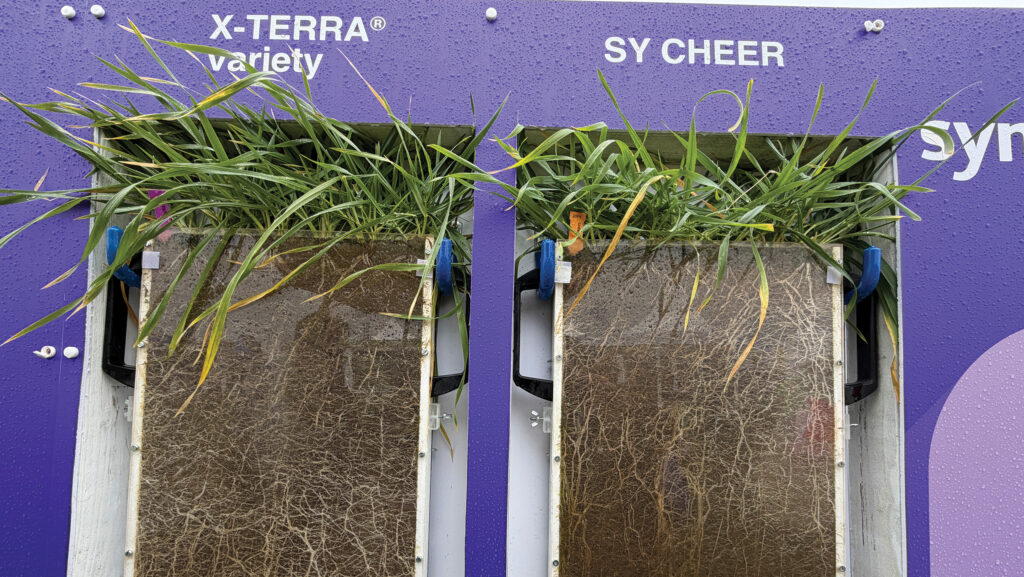
 A new generation of hybrid wheat varieties could soon help UK growers break through the yield plateau, thanks to hybrid vigour and more extensive rooting.
Other benefits include greater yield stability and improved disease resistance, bringing growers much-needed new genetics.
Launched this year in France by Syngenta, the first X-Terra wheats are expected to debut in the UK for autumn 2027.
See also: Gene-edited barley with higher lipid levels is UK first
There are three varieties in the first tranche that are currently in year two of Variety Listing (formerly National Listing), and they will be up for recommendation in autumn 2027.
While hybrid wheats have been commercially available for the past 30 years, the key difference is that the new varieties result from breeding rather than using the chemically induced approach of existing varieties, explains Syngenta hybrid cereals portfolio manager James Melichar.
Speaking to Farmers Weekly at Cereals 2026, he explained that while wheat is the most important crop, it is also one of the last to be hybridised.
Maize was hybridised 100 years ago and other crops such as rye and sunflowers are all hybrids. More recently, Syngenta launched hybrid winter barley in 2003.
The reason wheat growers have had to wait is the greater complexity of the plant’s genome, which has made it a much greater challenge.
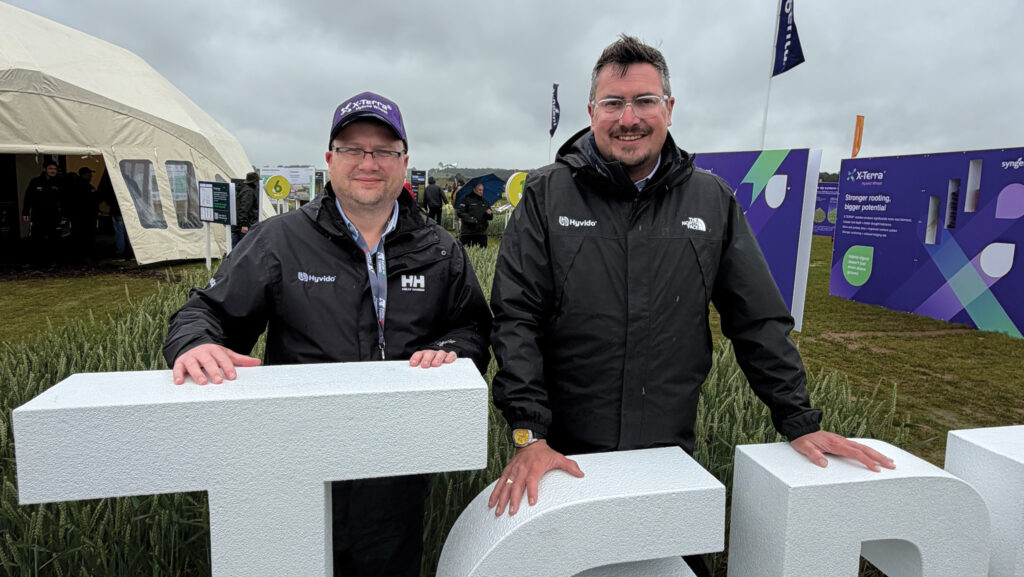
Syngenta’s James Melichar (left) and Mark Shaw © MAG/Richard Allison
Variety pipeline
Syngenta started the project in 2010 and this year saw the commercial launch of the first varieties in France. This time next year, the company will be taking seed orders in the UK.
The first three varieties are potential Group 1/2 breadmakers with a soft Group 3 and feed also in the pipeline for subsequent years. He reported that feedback had been good from millers in early baking tests.
James said the hybrid vigour resulted in a more extensive canopy and rooting system so plants were more productive with higher yields. This extra rooting and canopy results in a more stable performance, as deeper rooting leads to enhanced nutrient uptake.
Over time, they expect to see a 10% yield benefit over conventionals, although for the first varieties it will be nearer 4%. The gap will widen as more come through the pipeline.
There is also the benefit of its greater yield stability across seasons and environments: its more extensive rooting should be better at scavenging nutrients and water.
“We have in recent years seen wheat yields plateau and the challenge is to break this and move forward. If we get this right, hybrids will push yields up,” he said, adding that the innovation could be the next big revolution in farming.
In terms of management, it is grown just like a conventional crop, but at a lower seed rate, and it offers more flexibility in the planting window.
Syngenta is confident that farmers can go down to 85% of the conventional seed rate and not impair yield, due to its greater canopy and tillering ability.
Disease resistance
The first varieties are also showing better disease resistance, and one of the varieties has highest resistance across the board. James said while this was mostly genetics, some of it was down to healthier crops with less stress.
While the varieties are bred in Cambridge for UK conditions, the programme also has access to the European pool of genetics, bringing new genetics for disease resistance.
One potential downside with hybrids is the higher seed cost and not being able to farm-save. However, James pointed to the lower seed rates and said seed would be sensibly priced, as they waned farmers to be profitable.
Farmers can also benefit from input savings. Hybrid barley, with its higher nitrogen use efficiency, needs 20% less fertiliser and work is ongoing to quantify how much less hybrid wheats need without a loss of yield.
Growers wanted this autumn
Syngenta is inviting growers to give hybrid wheat a try this autumn, with 3ha seed packs available. The aim is to get hybrid wheat on farm and gain feedback from growers.
“We want to gain experience ahead of 2027 with a network of demo farms,” said Syngenta UK seeds manager Mark Shaw. “We have already seen a lot of interest with over 50 farmers showing interest on the first day at Cereals.”