

Advertiser content
Agri-tech that works – turning innovation into practical use
There’s no shortage of agri-tech promising to transform farming.
From sensors and robotics to livestock monitoring and decision-support tools, new ideas are arriving at pace. But on farm, the reality is often more cautious.
Farmers don’t adopt technology because it’s new – they adopt it because it works, fits the system, and delivers a return.
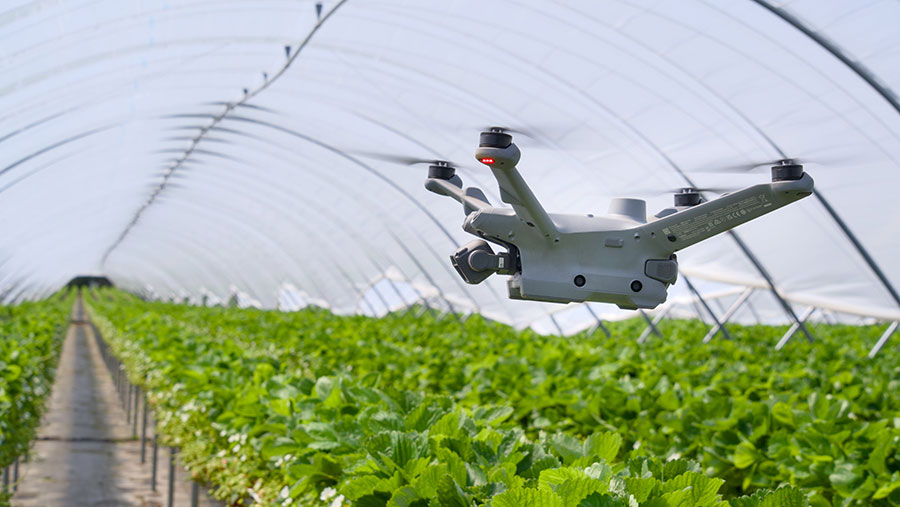
© The UK Agritech Centre
And that’s where the sector still has a challenge.
Too many innovations never quite make the leap from concept to commercial reality.
They might perform well in controlled conditions, but fall short when faced with the variability, pressures and practicalities of a working farm. Or they simply don’t stack up commercially.
At a time when margins are tight, markets are volatile and environmental pressures are increasing, there’s little room for taking risks on unproven technology.
The challenge isn’t a lack of innovation. It’s a lack of confidence in what’s ready to use.
Closing that gap means focusing less on invention, and more on what it takes to get technology working in practice – on real farms, in real conditions, and at a scale that delivers value.
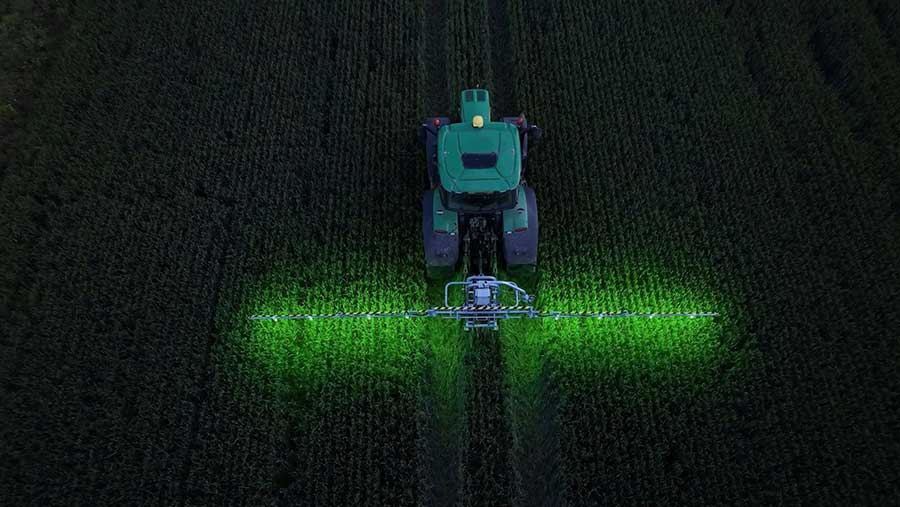
© The UK Agritech Centre
That’s where the UK Agri-Tech Centre plays its role.
The organisation works with agri-tech businesses that are ready to grow but need to prove their technology in the real world.
Through a network of more than 40 farms, specialist facilities and innovation hubs across the UK – and a team of technical and commercial experts – it supports businesses to test, trial and demonstrate their solutions under practical conditions.
In simple terms, it helps answer the questions farmers are asking: will this work here, will it deliver, and is it worth the investment?
This real-world testing is critical.
Technologies are trialled across different farming systems, environments and scales – from commercial beef and dairy units to controlled environment agriculture and aquaculture sites.
It’s not about controlled demonstrations, but about generating robust, independent evidence on performance, reliability and return on investment.
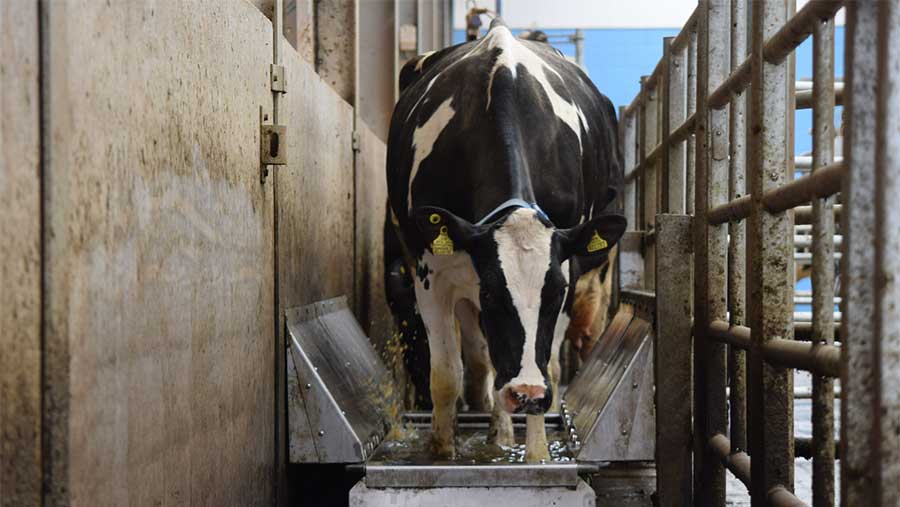
© The UK Agritech Centre
Just as importantly, farmers and growers are part of that process.
The Centre’s farm network doesn’t just host trials – it plays an active role in shaping and challenging new technologies, ensuring they are practical, relevant and fit for purpose.
Once a technology is proven, the focus shifts to what it takes to succeed in the market.
Many agri-tech businesses are strong on innovation, but less experienced in the realities of adoption – understanding how farmers buy, how the supply chain influences decisions, and what’s needed to move beyond early adopters.
Support here is about building commercial confidence: refining the product, strengthening the business model, and connecting companies with the partners – from processors to distributors – who ultimately help drive uptake.
The final step is scaling. Even proven technologies can struggle to reach the farms that would benefit most without clear routes into the market.
By connecting businesses to supply chains, customers and international opportunities, the aim is to ensure innovation doesn’t stall – but delivers impact at scale.
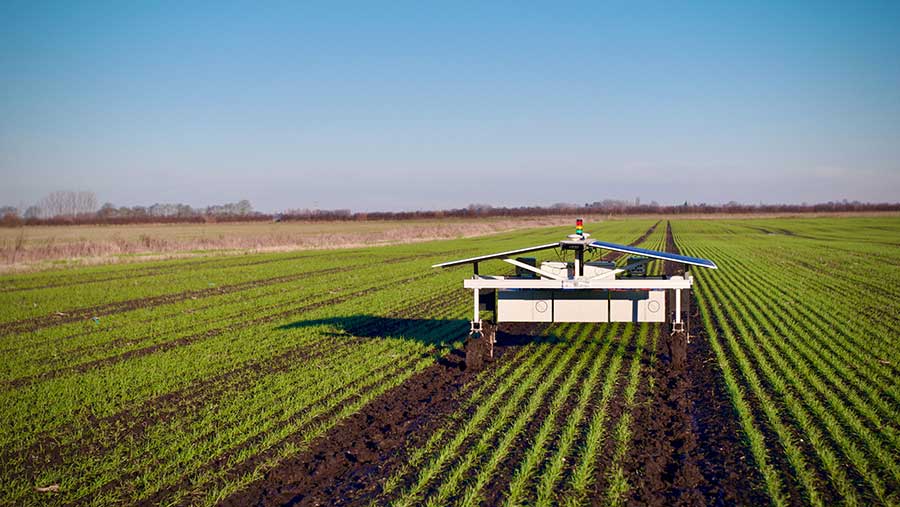
© The UK Agritech Centre
As Steve McLean, CEO of the UK Agri-Tech Centre, puts it: “Farmers don’t need more ideas – they need solutions that work in the real world.
“Our role is to help businesses prove their technology in practical conditions, build commercial confidence and then scale it into the market. That’s what drives real adoption.”
There are already examples where this approach is making a difference. Precision livestock technologies enabling earlier intervention on health and welfare issues.
Automation helping growers manage labour challenges in controlled environments. Aquaculture systems improving consistency and efficiency in demanding conditions.
What these have in common is not just innovation, but validation – and a clear path to adoption.
For farmers and the wider supply trade, that matters.
Better-targeted inputs, improved animal performance, more efficient labour use – these are tangible outcomes, not theoretical benefits. But they only come when technology is proven, practical and backed by evidence from real farming systems.
The UK has a strong pipeline of agri-tech innovation. The opportunity now is to ensure that innovation consistently translates into tools farmers can trust and use.
Because ultimately, the value of agri-tech isn’t only in the original ideas that are developed – it’s in what is adopted and then delivers, season after season, in the field.
Find out more about the UK Agri-Tech Centre at ukagritechcentre.com
Provided by
The UK Agri-Tech Centre helps agri-tech businesses move from innovation to real-world adoption, providing independent expertise, facilities and connections to prove, build and scale solutions that deliver commercial success and industry impact.