Arable farmer plans padel diversification to secure farm future
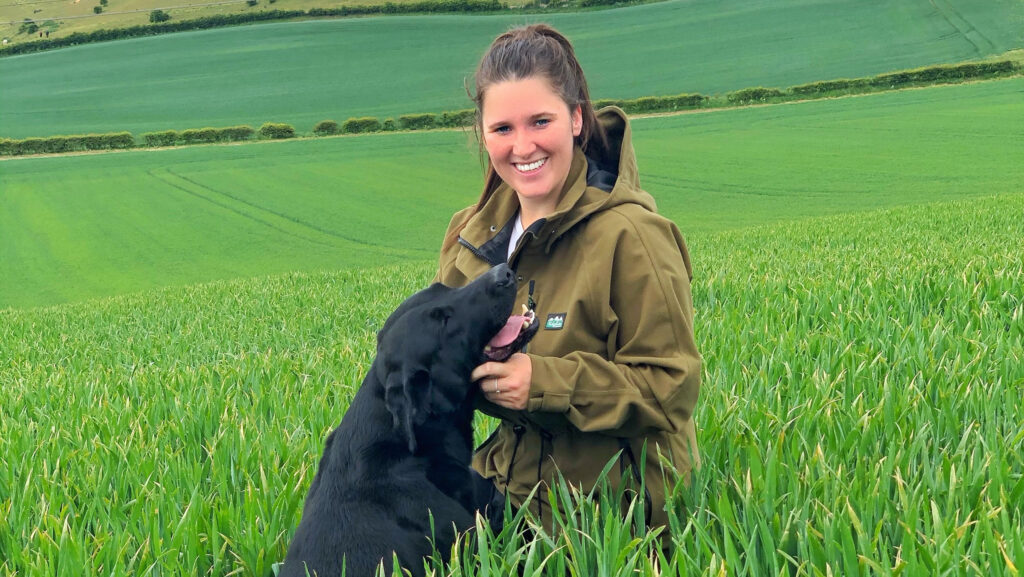 Tania Cox © Tania Cox
 A fifth-generation arable farmer has applied for planning permission to Sunderland City Council, to build an indoor padel tennis centre, saying diversification is essential to safeguard the long-term future of the family farm.
Tania Coxon has submitted plans for six padel courts and a café on the family’s farm at Offerton, near Sunderland in County Durham, after seeing contracting work decline as landowners move into environmental schemes, housing development and other land uses.
Having recently taken over the farm from her father, she said diversification had become essential if the business was to remain financially viable.
See also: How padel can make a profitable farm diversification
“The price of wheat is staying the same, all of the input costs are going up and we’re losing land around us quite rapidly,” she said.
“I love farming. I’ve grown up on the family farm, but it’s getting to a point where I need to look outside to bring in additional income to keep it going.”
The business grows wheat, barley and naked oats while also carrying out arable contracting.
However, Ms Coxon told Farmers Weekly she had already lost about 240ha of contracted land as landowners entered the Sustainable Farming Incentive, taking large chunks of land out of production.
Further acreage is expected to be lost to land sales, tree planting, and development.
Replacing lost income
She believes padel, one of the UK’s fastest-growing sports, offers an opportunity to replace some of that lost income while strengthening the long-term future of the farm.
“My plan is for the padel company to rent the land from the farm, so the farm receives a rental income that bridges the gap in the arable enterprise,” she explained.
Rather than separating the two businesses, Ms Coxon wants the development to complement farming and support the local community.
Plans include a mezzanine café serving British produce, with locally sourced meat and other products from neighbouring farms.
“I want to keep it true to British agriculture,” she said. “We’re bringing something to the local area while maintaining and being able to sustain and produce good quality British agriculture for the country as well.”
If Sunderland City Council refuses planning permission, Ms Cox warned that investment in the arable business would become increasingly difficult.
“I want to invest in agriculture, but at the moment I’m having to rely on this planning permission to bring in the income to do that sustainably.”