Pylon pressure on farmland to ease under proposed cable plans
 © Tim Scrivener
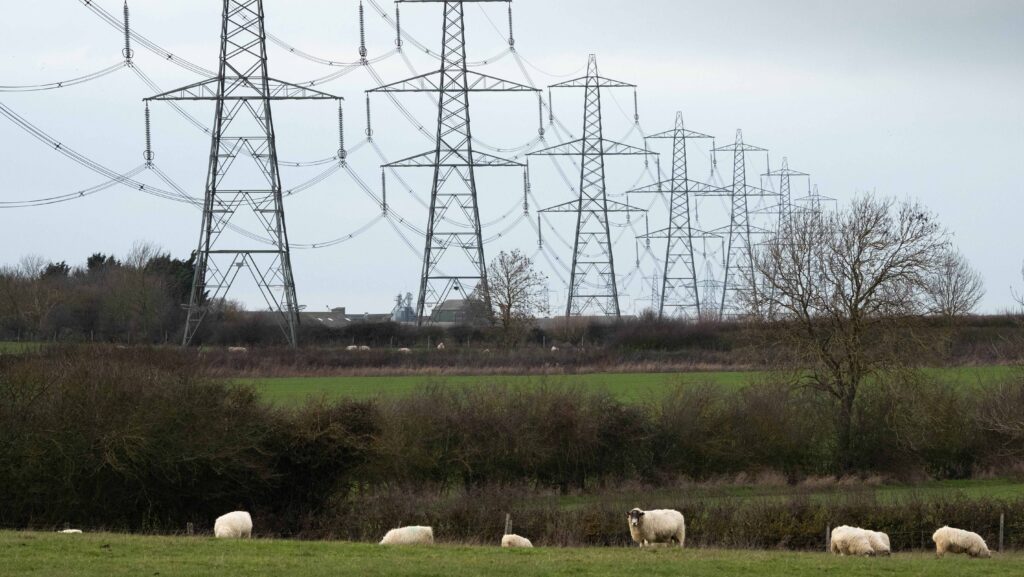
Farmers could see fewer overhead power lines crossing their land under Welsh government proposals to make underground cables the default requirement for new electricity infrastructure.
A consultation, launched on Friday (23 October) and closing on 15 January, follows a Plaid Cymru election manifesto pledge to end the use of large steel lattice pylons for devolved electricity lines in Wales.
See also: How new energy bill puts more pressure on rural land
Cabinet minister for enterprise, connectivity and energy Adam Price said: “We want to see infrastructure that is sensitively designed to minimise impacts on the environment and the communities that host them, while offering the maximum benefits for Wales.”
The proposed policy would apply to new electricity lines operating between 11kV and 132kV, with overhead alternatives permitted only where specified planning tests are met, using wooden poles or similarly unobtrusive infrastructure.
Farmer concerns
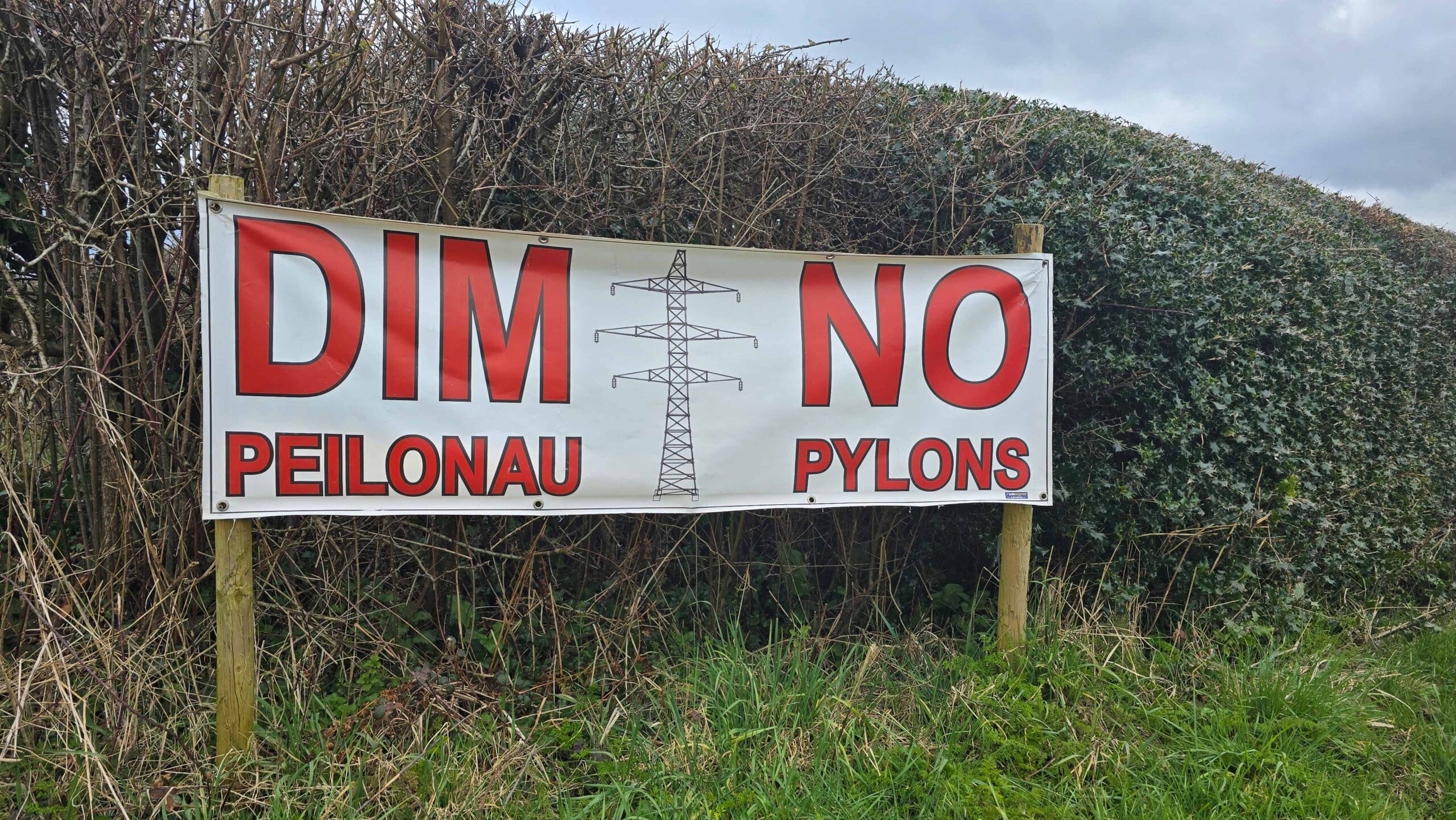
The proposals come amid opposition to Green Gen Cymru’s plans for three major power line routes connecting proposed Bute Energy wind farms to the electricity network.
The developer has previously clashed with farmers over land access, with a High Court ruling in July finding it had used an unduly broad notice to enter land for surveys.
Llandovery farmer Dyfan Walters, co-chairman of the Llandovery pylon steering group, welcomed the proposals.
“Putting the infrastructure underground will have less of an impact on tourism and it’s safer.
“In a world with more extreme weather, putting this underground is very sensible and would make us more resilient,” he said.
© MAG/Anne Dunn
CLA Cymru policy adviser Mark Burton welcomed recognition of agriculture’s concerns, but warned that infrastructure design was only part of the problem.
“In Wales, there are still serious issues with how pylon developers engage with the farming sector and the manner in which they use their powers,” he said.
Mr Burton added that good infrastructure design must begin with “constructive dialogue and this requires a drive towards better behaviour from the infrastructure sector”.
“This must begin with better protections for farmers against poor practice,” he said.
Cost implications
Green Gen Cymru welcomed the consultation, but warned that underground cabling could substantially increase infrastructure costs.
Executive director Andrew Hardcastle said independent research commissioned by the company found undergrounding its proposed lines would cost, on average, 4.5 times more than overhead alternatives.
“Like all grid companies across the UK, we believe there is no one-size-fits-all solution to developing new electricity networks.
“Our approach is to use the right infrastructure in the right place, drawing on a range of technologies including underground cables, wooden poles and our recently announced lower-profile monopoles.”
However, Welsh Countryside Charity chairman Jonty Colchester questioned whether the company’s proposed 22m-high steel monopoles could be considered less intrusive alternatives.
“The undergrounding announcement is a welcome step forward, but the real test will be in its implementation.”
Political support
The Welsh Conservatives also welcomed the consultation.
Shadow farming and environment minister Andrew RT Davies said: “We recognise that Wales needs a modern electricity network to support economic growth, but communities should not have to accept eyesores across our beautiful natural landscapes, which must be conserved.”