Why a check on trading activity could preserve IHT relief
 © Alamy
 Lower farming incomes and profits, alongside the search for alternative incomes to make up for this, mean more businesses are moving closer to the point where they will be judged by HMRC to be an investment rather than a trading business when considering IHT relief claims.
The result of this is the potential loss of business property relief (BPR) on not just the trading part of the business but on all business assets.
See also: How padel can make a profitable farm diversification
On the one hand the loss of basic payments, coupled with lower farming income – especially for arable businesses in recent years – and in some cases lower or no stewardship income, means trading income is falling.
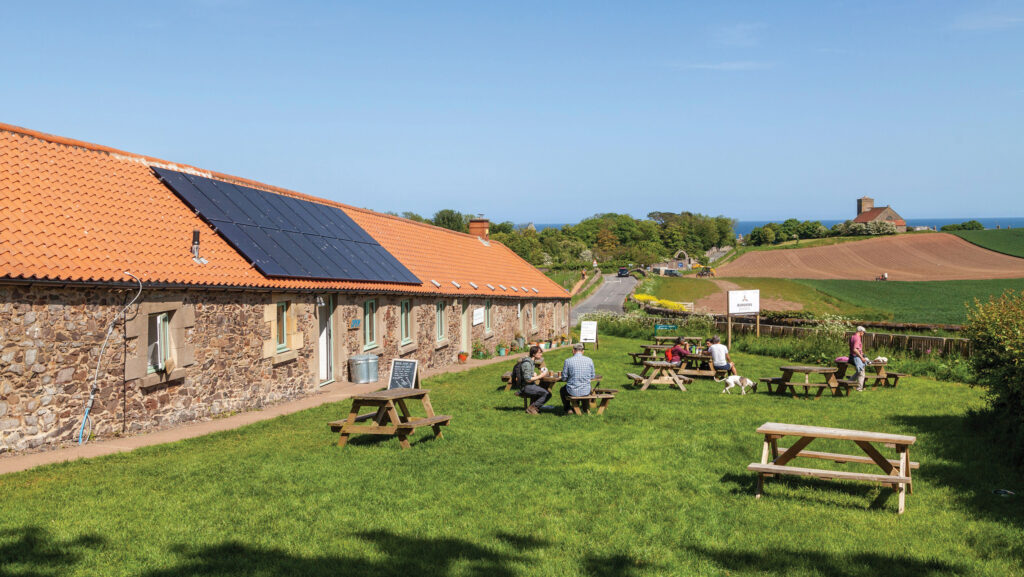
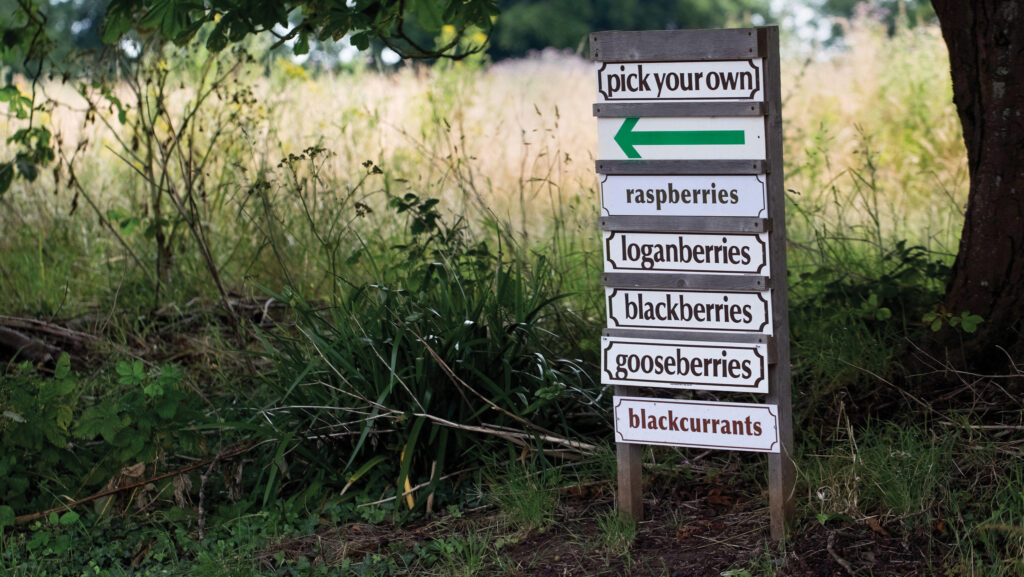
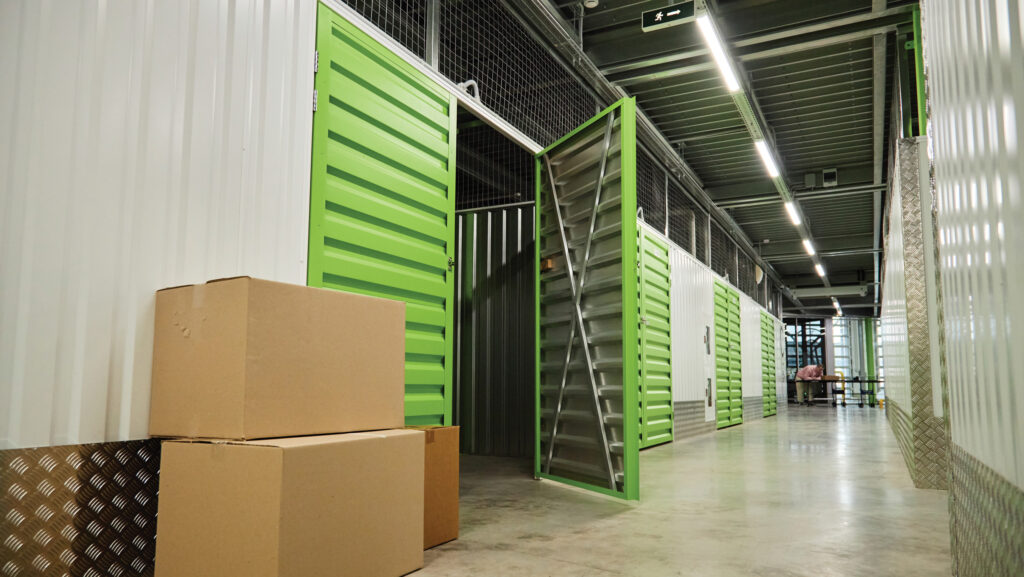
On the other, the search to make up for this means more diversification income and certain types of alternative enterprise, for example commercial lets, residential lets and some caravan parks, are considered investment businesses.
IHT reliefs
Agricultural property relief covers farmland, farmhouses and agricultural property.
Business property relief covers trading businesses, shares, and assets such as machinery and livestock.
In essence, for many farming situations qualifying for relief, the whole claim could sit under BPR but often APR is claimed on the land and property and BPR on the other trading assets.
‘Mainly’ test
HMRC applies a mainly test (more than half) to determine whether a business is trading or investment. Mark Shepheard, consultant Laurence Gould’s director for the South West, is advising several farming businesses which are close to the line between the two categories.
One of these, a 140ha arable business, has relatively low output in yield terms and over the past few years has had rental income from commercial lets.
“Not only is crop output down by 20-30%, BPS has gone and stewardship income is difficult to plan for,” says Mark.
“There’s clearly a need to find additional income and so they are pushing for more commercial lets.”
This move would take the business over the 50:50 line and because the IHT risk was flagged, a meeting with the accountant resulted in a decision to pull certain parts of the business out of the partnership to address this.
With so many other farm businesses needing to make up for lost farming income, Mark advises simply that new or expanding alternative enterprises are entered with eyes open in terms of the tax implications.
© Alamy
HMRC scrutiny
At accountant Dyke Yaxley, director Mark Griffiths says: “The criteria for business property relief is likely to see much more scrutiny over the next few years, simply because it will now have a better chance of providing a return to HMRC on their enquiry.”
As well as the changes to the IHT regime and the loss of 100% relief above an individual’s £2.5m allowance, he says there will be a drive to gather as much revenue as possible.
“In order to qualify for BPR, the enterprise must be predominantly a business – the legislation specifically excludes businesses mainly for the holding of investments,” he says.
Following the result in the well-known Balfour case many years ago, HMRC applies four tests to BPR claims:
- Turnover being derived mainly from trading activities
- Profit being derived mainly from trading
- Assets used in the business are mainly for the purpose of the trade
- Time spent by the owners is mainly in the trade.
“You then consider all of the above in the round, so losing one or even two is not necessarily a killer to the claim,” says Mark.
However, he points out that the test for BPR is an “all or nothing” result – if the claim fails, it fails on everything, not simply on the elements which are considered non-trading, so there is much at stake.
“With most farming partnerships, even with some diversification, you would expect assets (when you include the farm itself as well as the machinery and stock) to be used in the trade.
“Similarly, you would anticipate that time spent by the owners is largely around the farm, so the concerns will largely sit with turnover and profit, and it can be easy to see how profit may well start to fail as farming income declines and the family become more reliant on any non-trading diversification.”
© Alamy
Three years’ accounts for BPR claim
HMRC will usually consider at least three years of accounts when assessing BPR claims, making it important for businesses to monitor their own performance against the four areas above.
“Equally, it is important to look at the structure of the business where you are close to failing the test,” says Mark Griffiths.
“Can you improve the position by bringing, say, the farm on to the partnership balance sheet through land capital accounts, to tip the balance?
“Or are there investment assets that can be taken off balance sheet and be seen as the sacrificial lambs to HMRC?
“What asset doesn’t the farming estate need in order to progress into the next generation and can you hive out sufficient investments in order to tip the balance back in favour of BPR.”
Company structures are a little more complicated, says Mark. “First you need to see if the company qualifies for BPR, as above, but then you need to look at the question of excepted assets [for example residential properties], which can add another layer of complexity to the question.”
Victoria Dadswell is a tax partner with accountant Xeinadin and says that the BPR qualification question is a live one for many businesses, especially where a new generation is taking on the business and has new ideas.
“Many diversifications such as a farm shop and open farms are still clearly trading businesses, unlike commercial units rented out.
© Alamy
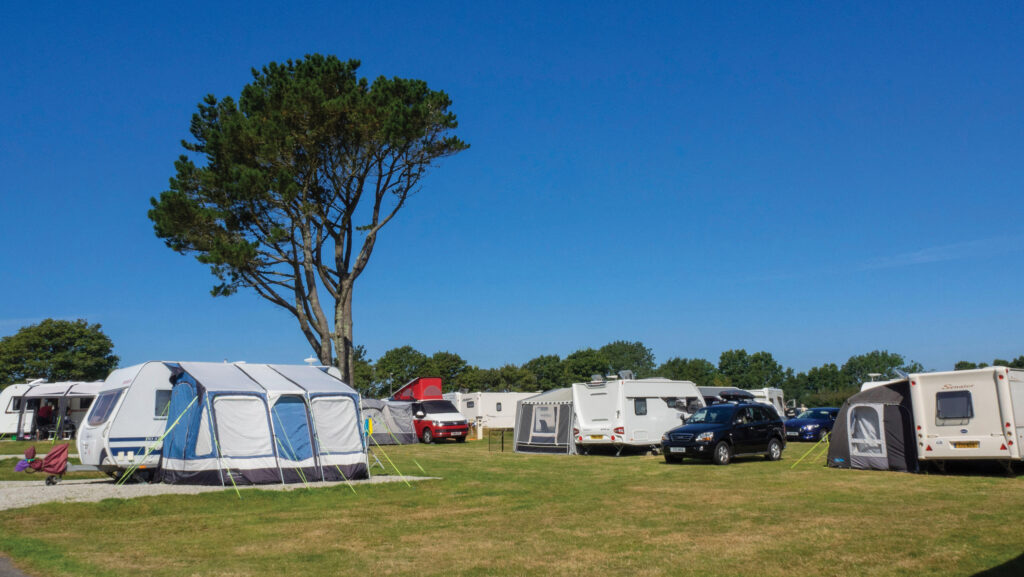
Tax for caravan parks is notoriously difficult. Selling caravans is trading but the annual lease of a site or pitch is investment,” she says.
“Furnished holiday lets are now clearly not trading. And the business is considered in the round, not simply looking at the estate of the person who has died.”
Not only will it be considered how the owners’ time is split between different parts of the business, but also how staff are deployed.
Victoria warns of a tax trap on gifting assets in order to improve the chance of a successful BPR claim or prior to the loss of BPR.
“The trading/investment benchmark for capital gains tax [CGT] relief is much higher than that for BPR – generally an 80:20 test where the business must be 80% trading.
“Care must therefore be taken to ensure any gifted assets benefit from holdover relief for CGT.”
Non-trading assets can be taken out of partnership to become personally held assets in order to preserve the BPR potential.
Another option is the use of trusts, because if the asset is investment rather than trading, that capital gain can be held over, which is not possible with gifts to individuals.
Changing status of assets
Where gifts are made during lifetime with the hope of avoiding IHT by surviving for at least seven years, the nature of assets qualifying for relief should be preserved during that seven-year period, advises Victoria, because if they are changed from trading to investment in nature, they will come back into charge for IHT on death of the transferor.
Timely bookkeeping and accounts
The heightened risk of losing IHT relief makes it all the more important to make an assessment of where the business stands, sometimes even within the year, rather than waiting for year-end and the accounts, say advisers.
Also, getting accounts in as soon after year-end as possible will help in decision-making for the following year when changes may be needed to preserve potential BPR.
This may be helped by the move this month to quarterly income reporting for sole traders and landlords with income in excess of £50,000/year.