Duchy of Cornwall reassures farmers amid estate sale concerns
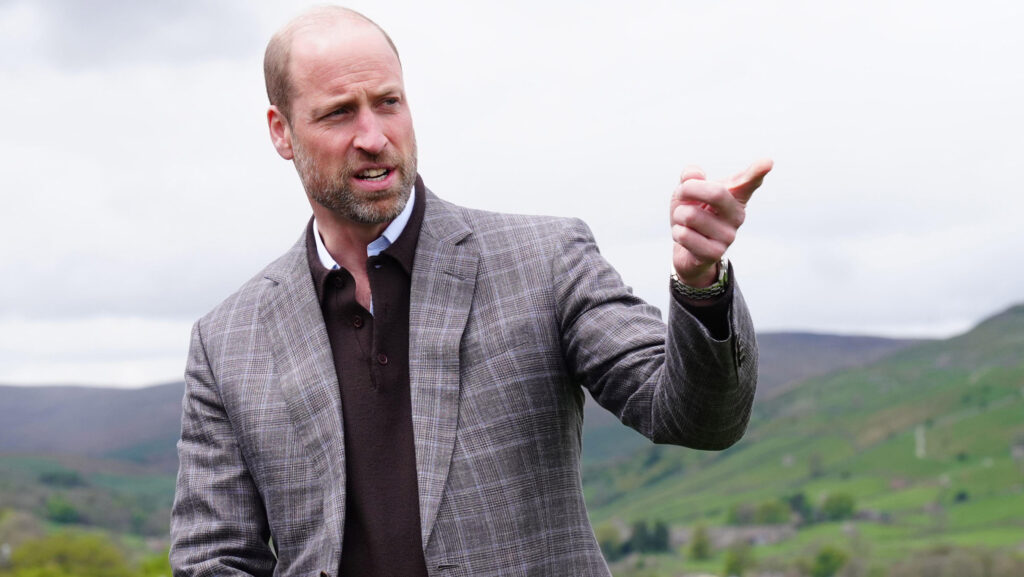 HRH Prince William © PA Images/Alamy Stock Photo
 The Duchy of Cornwall has moved to reassure tenant farmers and rural communities that farming will remain at the heart of the estate, despite plans to sell some assets over the next decade.
Concerns were raised following reports that the Duchy intended to sell off part of its estate as it refocuses investment on five “heartland” areas – the Isles of Scilly, Cornwall, Dartmoor, the Bath area and Kennington in south London.
However, the Duchy said the proposal relates to the value of its wider property portfolio and does not mean it will sell a fifth of its landholding, farms or farmland.
See also: Duchy sale plan leaves Devon farm tenants facing uncertainty
A Duchy spokesperson told Farmers Weekly that supporting farming businesses and rural communities remained a long-term priority.
“Farming remains central to the Duchy and our aim is to keep supporting viable farms, rural communities, and the natural environment for the long term,” the spokesperson said.
10-year plan
Over the next 10 years, the Duchy plans to invest more than £500m into housing, renewable energy, local businesses, nature recovery and helping farms adapt to future challenges.
“In practice, that means practical work with farmers and partners to achieve our long-term mission to be a nature-rich and net-zero portfolio – improving soil, water, wildlife, and long-term farm resilience,” the spokesperson added.
The Duchy said its new regenerative farm business tenancy (rFBT) model forms part of that strategy by offering tenants longer-term security while supporting the transition to regenerative farming systems.
“It is designed to give tenants greater long-term security, while helping them transition towards regenerative farming practices and continue to run productive and profitable businesses,” the spokesperson said.
Seeking clarification
The Duchy confirmed that future disposals could include farmland as well as residential and commercial assets, but stressed that no fixed acreage or percentage of farmland had been identified for sale.
“Where a tenant farmer may be affected, we will speak to them directly, and for many we hope this will present an exciting opportunity to purchase their farm.”
Tenant Farmers Association chief executive George Dunn said the organisation had sought clarification on the plans.
“Nevertheless, it is always disappointing when we lose any land from the tenanted sector of agriculture, particularly in respect of estates like the Duchy, who have been willing to grant long-term, secure tenancies,” he said.