Defra under scrutiny over £1.94m Rothbury Estate pledge
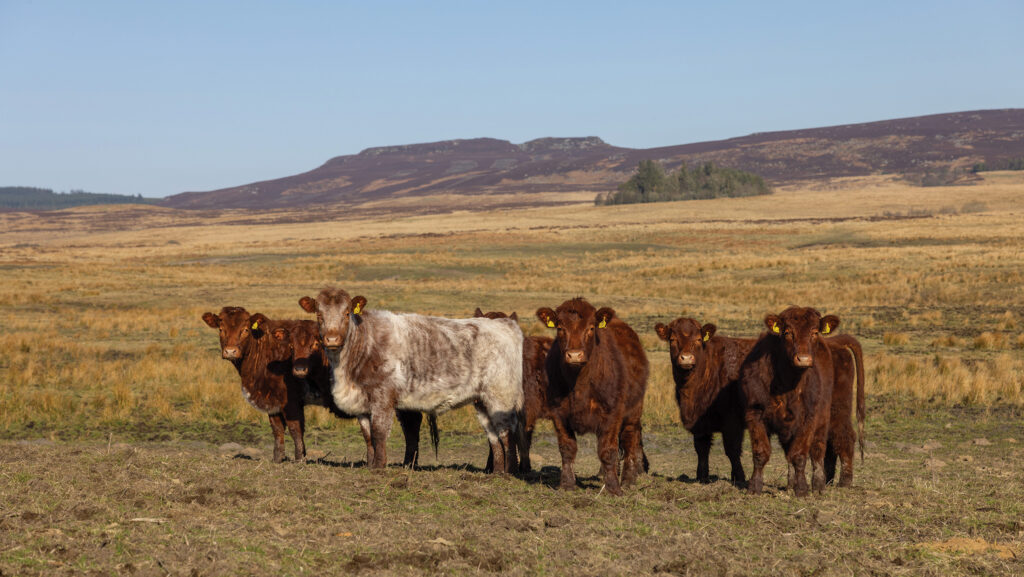 © John Millard/The Wildlife Trusts
Defra has faced questions from MPs over the signal it is sending to farmers after pledging £1.94m towards a major nature recovery project, weeks after thousands of farmers missed out on Sustainable Farming Incentive (SFI) funding.
The grant, announced at the UN Global Biodiversity Conference COP17 in Armenia, will support The Wildlife Trusts and Northumberland Wildlife Trust’s bid to buy the 3,800ha Rothbury Estate in Northumberland, which has received backing from Sir David Attenborough.
The charities are seeking £30m to secure the estate in its entirety, with the appeal now standing at around £29m following the latest pledges.
See also: Sir David Attenborough backs £30m Rothbury Estate Appeal
However, the government funding will not be released until after the appeal’s deadline at the end of October, prompting the charities to explore low-interest loans to bridge any shortfall.
The announcement comes after SFI26’s second application window closed on 22 September, when the £253m budget was allocated within six hours of opening.
Speaking at the Environment, Food and Rural Affairs committee at Westminster on Tuesday (26 October) chairman Alistair Carmichael questioned how farmers who had missed out on SFI funding would feel about the government contributing towards the estate purchase.
He also asked what the acquisition could mean for existing tenant farming businesses on the land.
‘Expensive press release’
Mr Carmichael described the grant as “an expensive press release” and questioned whether it sent the right message at a time when farmer confidence in Defra was “at an all-time low”.
Defra farming minister Stephen Morgan acknowledged farmers’ frustration and pointed to the government’s Farming Roadmap, saying the department wanted to support food production alongside environmental outcomes.
However, Defra farming director Mike Rowe noted that the £1.94m did not come from the farming budget and supported the estate’s potential contribution to the UK’s 30by30 commitment to protect 30% of land for nature by 2030.
He said Defra would look closely at the implications for tenant farmers. Asked whether the funding would carry conditions, he said the details were not yet known.
Mr Morgan also highlighted the £11.8bn being invested in farming over the current parliament.
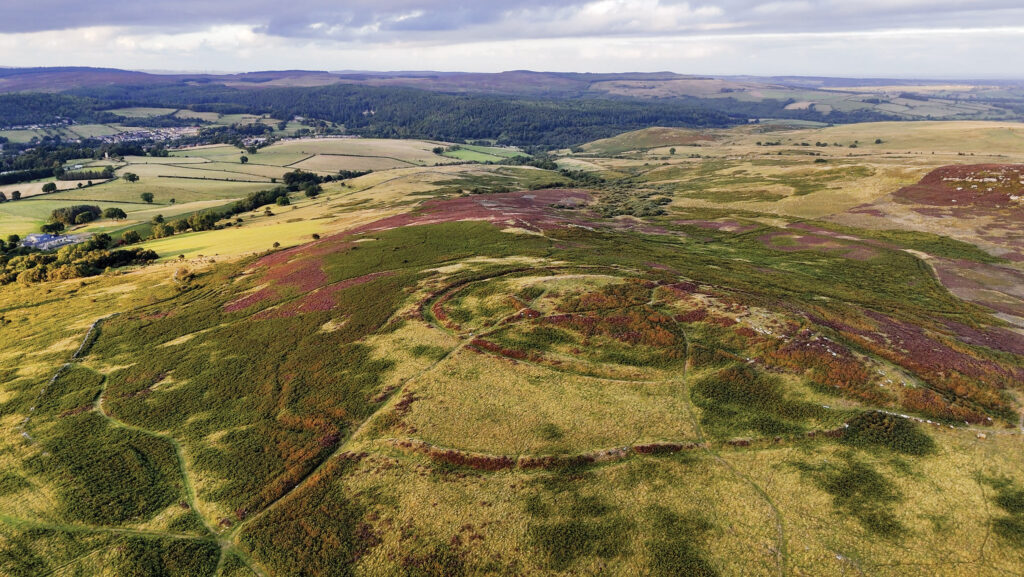
Lordenshaw Hill Fort © The Wildlife Trusts
Shadow minister’s criticism
Shadow Defra farming minister Robbie Moore criticised the funding decision on X, saying nearly 30,000 farmers had been unable to secure SFI26 funding while the government was pledging almost £2m towards buying land from a private landowner.
He accused the government of pursuing the “nationalisation of our farmed and managed landscape”.
The grant is one of the largest contributions to the charities’ two-year fundraising appeal, which also includes £5m from the National Lottery Heritage Fund and more than £17m from individuals.
The Wildlife Trusts says the purchase could create a 40-mile nature recovery corridor stretching from the Northumberland coast to Kielder, supporting wildlife, peatland restoration and nature-friendly farming.
The plans would also change livestock numbers on the estate, with sheep reduced from 1,500 to 500 and cattle numbers increasing fourfold to 200.
The wildlife organisations previously bought part of the estate, including the Simonside Hills, from Lord Max Percy, the Duke of Northumberland’s son, in 2024.
‘Stamp of approval’
Craig Bennett, chief executive of The Wildlife Trusts, described the government funding as a “stamp of approval” for the project, following donations from philanthropists, charitable funds and members of the public.
However, the proposals have divided opinion among some local farmers.
Tenant farmer Chris Armstrong, who farms around 405ha near the estate, previously told the BBC that he believed opinion in the farming community was finely split, with many viewing the project as “a folly”.
The charities say securing the remaining land would allow them to develop one of England’s largest nature recovery projects, combining habitat restoration with changes to how the estate is farmed.