Small wind turbines planning to be axed under new proposals
 © Tim Scrivener
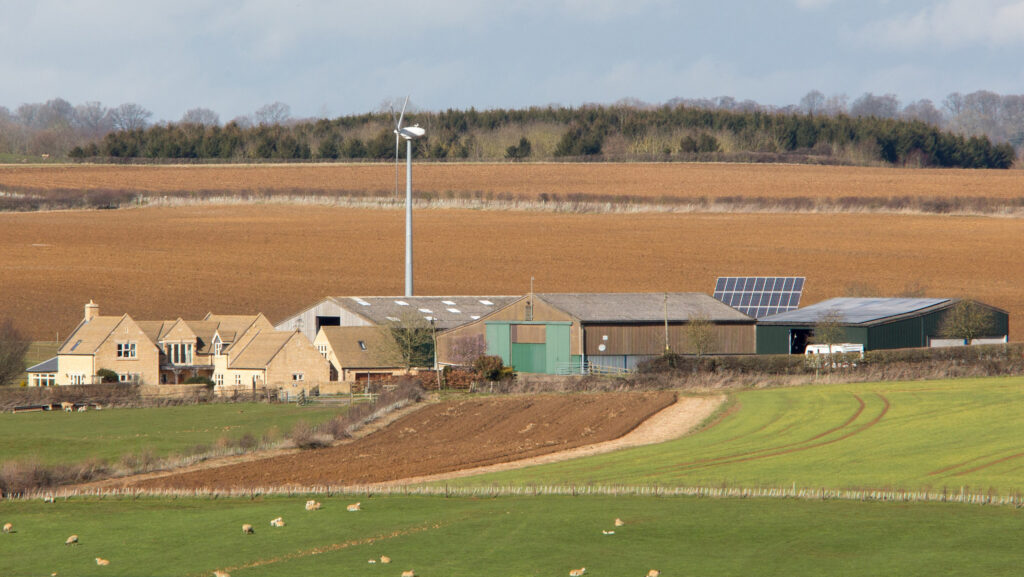
 The government has proposed removing planning permission requirements for small on-site wind energy projects on farms, in a bid to end dependence on fossil fuel markets.
The new proposals from the Department of Energy Security and Net Zero (DESNZ), announced on Wednesday 18 March, would allow farm businesses to install one turbine up to 30m high, without submitting planning proposals.
This will make it faster and cheaper to generate on-site clean power, provide greater certainty to invest, while maintaining safeguards to protect landscapes and local communities, according to the government.
See also: Government eases planning process for wind farms
Energy minister Michael Shanks said: “In the midst of uncertain global markets, the only way for households and businesses to have certainty is to invest in clean home-grown power such as onshore wind, one of the cheapest and quickest forms of energy to build.”
Energy sovereignty
Ministers added that the current conflict in the Middle East shows that the only route to energy sovereignty for the UK is to end its dependence on fossil fuel markets and accelerate the transition to clean homegrown power.
Mr Shanks added: “By allowing farmers, schools and businesses to build a single small onshore wind turbine – no larger than an oak tree – without planning permission, we are giving them the tools to lower their bills and make the best use of their land.”
Currently, permitted development rights for onshore wind in England apply only to small domestic turbines with strict height and size limits.
The new proposals would extend these rights to non-domestic premises, aiming to make it quicker and easier for organisations to generate clean electricity on site where key siting and safety conditions are met.
NFU president Tom Bradshaw said: “For too long, we have faced unnecessary barriers to upgrade infrastructure on farm.
“This will help cut energy costs at a time when margins are extremely tight and provide long-term business resilience, so farmers can continue to produce food for the nation alongside their work in protecting and enhancing the environment.”