Farmers face hedgecutting deadline as 1 March ban looms
 © Tim Scrivener
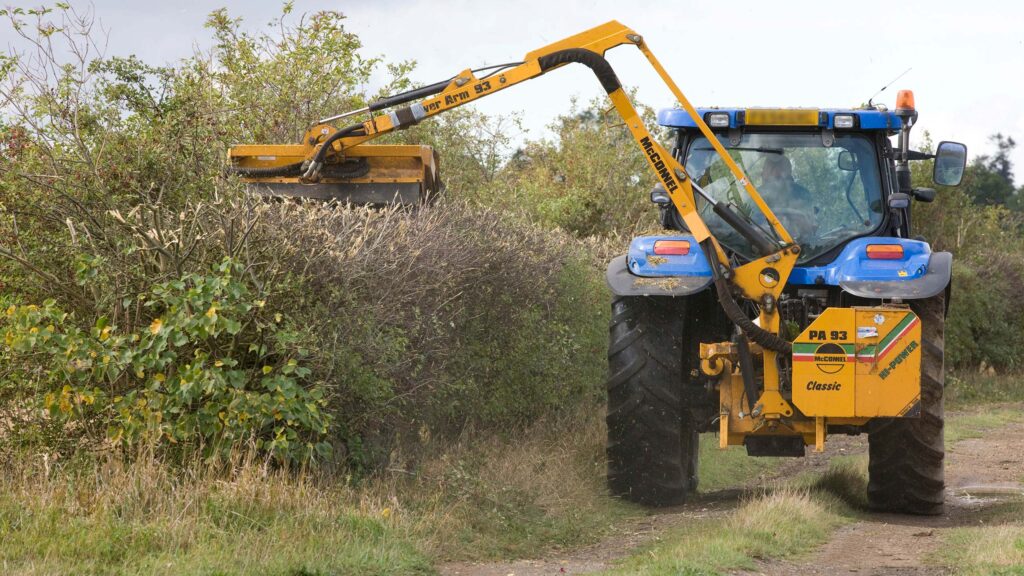
 Farmers have just days left to complete hedgecutting before the annual closed season begins on 1 March, bringing a halt to most cutting operations until the end of August.
In England, the Management of Hedgerows (England) Regulations 2024, enforced by the Rural Payments Agency (RPA), prohibit cutting or trimming hedgerows on or next to agricultural land from 1 March to 31 August inclusive.
The rules, which came into force on 23 May 2024, were introduced to strengthen protections for nesting birds and wildlife.
See also: Business Clinic: Hedges, trees and ditches – whose responsibility?
The closed period applies to hedgerows more than 20m long (or shorter hedges that connect at both ends) on land used for agriculture, including grazing, horticulture and market gardens.
Farmers must also maintain a two-metre green buffer strip from the centre of the hedge, where cultivation and the application of fertilisers or pesticides is banned.
Similar dates apply elsewhere: in Wales under Cross Compliance rules; in Scotland, where the ban runs from 1 March to 31 August on agricultural land; and in Northern Ireland, where Daera rules also prohibit hedge, tree or scrub cutting during the same period, with limited roadside safety exemptions.
The ban is designed to protect nesting birds during the breeding season. Under the Wildlife and Countryside Act 1981, it is also an offence to damage or destroy an active nest.
Exemptions
While exemptions exist, including for road safety, hedge-laying, pest control and certain August sowing operations, farmers must keep clear records and, in some cases, notify the RPA in advance.
Penalties for breaches in England can include civil sanctions such as stop notices, compliance or restoration notices, and variable fines. In serious cases, fines could reach £250,000 or lead to prosecution.
With dry weather forecast in many areas this week after relentless rainfall, it may prove a last opportunity for farmers to travel on land and complete hedgetrimming before the window closes.
Attitudes shifting
Jason Beedell, rural research director at Strutt & Parker, said that while the rules themselves had not changed significantly in recent years, attitudes on the ground appeared to be shifting.
He said it was encouraging to see a growing number of farmers in his mid-Lincolnshire patch delaying hedge trimming until after Christmas, allowing birds more time to feed on berries and fruits through the early winter months.
He added: “Our view is that if you cut hedges on a rotation – allowing some to grow taller and wider, with a mix of heights and widths across the farm – it delivers real benefits for wildlife and enhances the look of the landscape as well.
“Not only that, but it can also help reduce workload and costs. It feels like a win-win for farmers and for nature.”
- The RPA has published a new guidance leaflet for Hedgerow Management Rules (opens as PDF)