FW Awards: Meet the 2026 Environmental Champion finalists
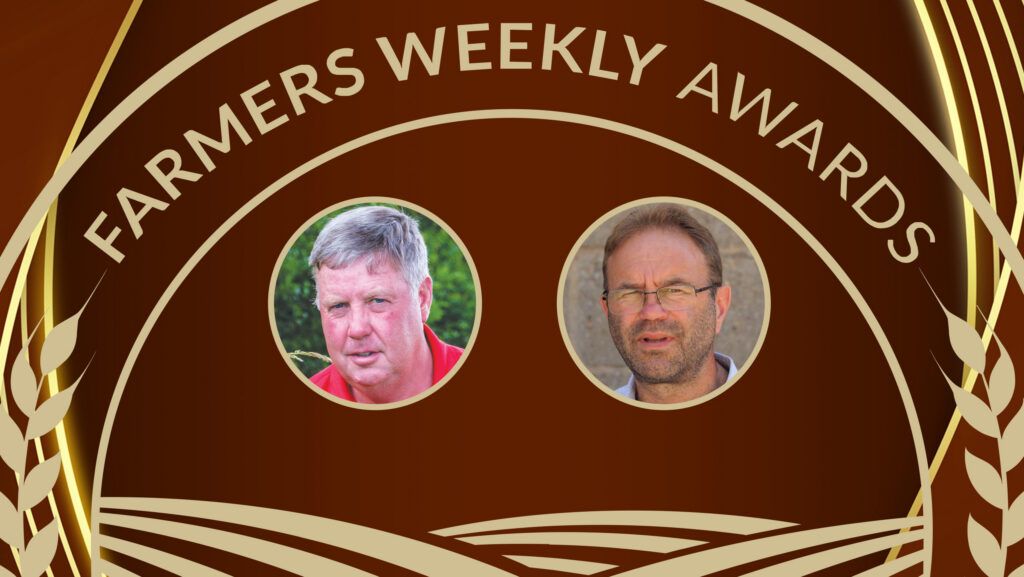 James Chapman and Colin Chappell © Jason Bye/Tim Scrivener
 Through initiatives ranging from habitat creation and water protection to carbon reduction and soil health improvements, our finalists are demonstrating how productive farming can deliver lasting environmental gains.
See also: Business Clinic: Can you advise on farm’s business structure?
The judges
- Richard Anthony, Farmers Weekly‘s 2025 Arable Farmer of the Year
- Jonathan James, independent judge, CCC Agronomy and AICC agronomist
- Richard Allison, Farmers Weekly arable editor
The finalists
- James Chapman, Hill farm, Rollesby, Great Yarmouth, Norfolk
- Colin Chappell, Gander Farm, Brigg, Lincolnshire
The judging criteria
The winner in this category – which comprises finalists from the main FW Awards categories – will be the finalist who is judged to have made the most positive impact on the environment through sustainable farming practices.
That could mean improving soil, water and air quality, reducing the use of pesticides, increasing biodiversity or lowering greenhouse gas emissions – perhaps by cutting fuel use or introducing renewables.
Crucially, these will be part of an overall strategy to help secure the future of the farm business, both ecologically and financially, for the next generation.
James Chapman, Hill Farm, Rollesby, Great Yarmouth, Norfolk
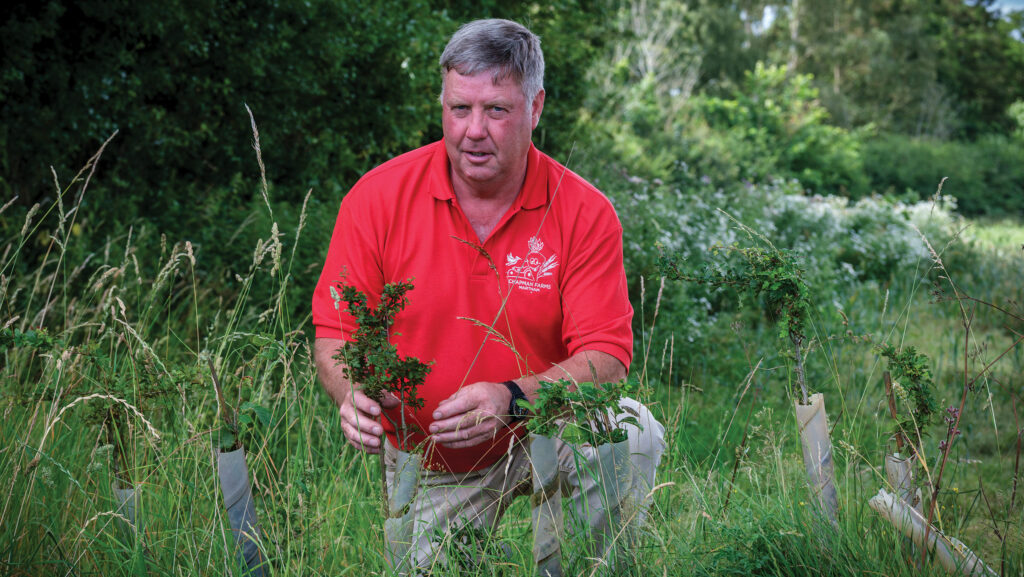
James Chapman © Jason Bye
Not only is James achieving consistently high crop yields on the arable land, he is successfully managing sensitive areas running up to the Trinity Broads and coastal dunes.
The business farms on the edge of the Trinity Broads, which are owned by Essex and Suffolk Water and are a major source of drinking water. The Trinity Broads are also a site of special scientific interest.
Conservation, therefore, plays a large part of farming at Hill Farm.
The farm is managed under Mid Tier Countryside Stewardship (CS) and two Sustainable Farming Incentive (SFI) agreements while the contract farmed unit has Higher Tier CS and SFI agreements.
James is also working alongside a large lowland livestock business to deliver landscape management supporting and enhancing the natural environment, and enhancing the broads landscape.
New hedgerows and woodlands have been planted over the past 15 years with the latest 1,500m of new hedgerows planted in 2025. In addition, a number of ponds have been restored.
For the new greenfield farmyard, the proximity of the broads meant protecting the environment was a key consideration.
All washings from the new sprayer filling area are treated with bio beds and filtration ponds.
Other environmental measures include rainwater harvesting for spraying, which also helps with pesticide efficacy, and solar panels on the new grain store roof to provide electricity.
On the arable side, James’ focus on soil health has seen cover crops planted ahead of potatoes grown by a third-party grower to retain nutrients and help maintain soil structure.
James is also reducing chemical use, an example is the reduction in sugar beet herbicide use through mechanical weeding.
Voluntary grass margins that help with water protection double up as horse-riding routes.
Permissive paths have also been established to link up existing public footpaths to benefit the local community.
Finally, James is helping local farmers with flooding. Following the flooding of grazing marshes in the Upper Thurne catchment in the 2023-24 winter, he established the Thurne Flood Group, which brought together local the Internal Drainage Board and Environment Agency to help better manage future events.
What the judges say
“James has a strong environmental focus managing land running up to the Broads and coast. He has created new habitats by planting new hedging and restoring pond, and is also making good use of funding opportunities.”
Colin Chappell, Gander Farm, Brigg, Lincolnshire
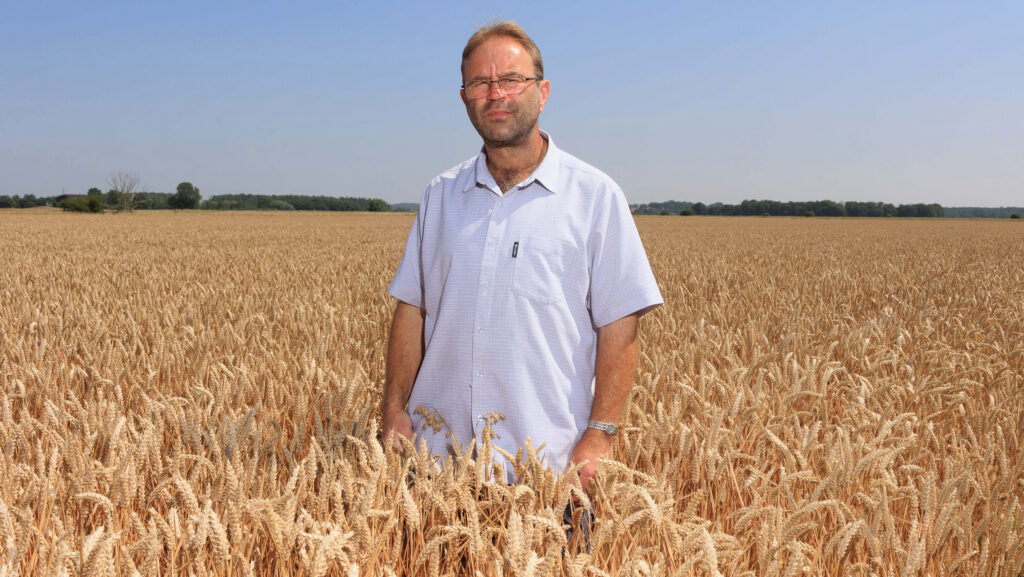
Colin Chappell © Tim Scrivener
Colin’s proudest achievement over the past five years is the large reduction in his carbon footprint, with the farm now sequestering 100t/ha of carbon dioxide equivalents each year.
This reduction is partly down to an improved nitrogen use efficiency by applying urea with carbon, along with reduced fuel use resulting from less intensive cultivations and a streamlined machinery fleet
Any soil movement is accompanied by applications of fish hydroslate, potassium humate and nurture carbon to minimise the impact on microbes. He sees it as an investment on his heavy clay soils.
Cover and companion cropping has also been introduced at Gander Farm to improve soil health.
More than 25% of the farm – the more challenging areas to crop – is in environmental measures including margins, which also have a role in helping protect water quality along with adoption of pesticide stewardship. Insecticides haven’t been used for six years.
Colin is even using specific mixes aimed at bird species like grey partridge and yellow hammer by encouraging insects that birds use to feed chicks.
Renewable energy crops also play a role with miscanthus grown on the poorest areas supplying a local power station, while forage barley and maize are grown for a nearby anaerobic digestion plant. These crops help widen the rotation and have blackgrass control benefits.
Soil health is improving. Biodiversity has returned and he is seeing eels back in the ditches and greater bird numbers.
In just two hours, one birdwatcher saw 36 species of birds, including six types of warbler (one of them a certis warbler), lots of skylarks and a marsh harrier.
Colin has not only created a more resilient and adaptable arable business, it is also bringing big environmental benefits for carbon, water quality and wildlife. Most importantly, his land is in better condition for the next generation.
What the judges say
Colin has achieved an impressive reduction in the farm’s carbon footprint. He shows huge enthusiasm for improving soil health, encouraging nature on his farm and leaving a legacy for the next generation.
A word from our sponsor
“Map of Ag proudly sponsors Environmental Farmer of the Year, celebrating farmers whose work drives real environmental progress. This award reflects our mission through our FarmMetrics platform – helping supply chains improve productivity, animal health and resilience to drive a sustainable future.”
Caroline Hope, client technical manager – team lead