Major solar farm plans blocked over farmland concerns
 © Adobe Stock
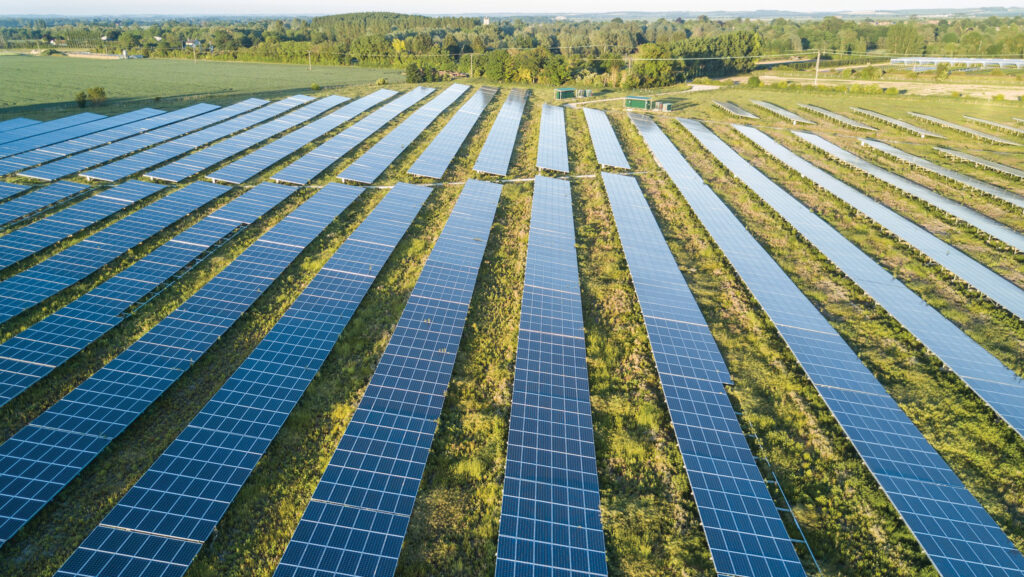
Plans for a major Oxfordshire solar farm have been rejected by the government over concerns about the loss of productive farmland, landscape damage and heritage impacts.
The £800m Botley West development, covering almost 1,416ha near Botley, Woodstock and Kidlington, would have been Britain’s largest solar farm, with a generating capacity of 840MW.
See also: Major solar farm approval stokes food security concerns
Botley West would have delivered about 1.5% of the government’s target of reaching 54-57GW of solar generation capacity by 2030.
Energy minister Baroness Curran refused development consent on Tuesday (10 November), acting on behalf of the secretary of state for energy security and net zero, Miatta Fahnbulleh.
The decision followed a recommendation from the Planning Inspectorate’s Examining Authority to reject the scheme.
Writing to developers, Photovolt Development Partners, the government concluded that the development’s adverse impacts outweighed its benefits, citing substantial harm to the Green Belt, heritage assets and landscape, alongside aviation safety and agricultural land concerns.
Productive farmland concerns
The decision letter identified 314ha of best and most versatile (BMV) agricultural land that would have been affected, representing 42% of the solar installation area.
Most of this land was classified as Grades 2 and 3a and would have been unavailable for arable food production for more than 40 years.
The government concluded that proposed conservation grazing would not mitigate this loss.
Ministers also questioned the developer’s approach to protecting productive farmland, concluding that it had “failed to seek to minimise the impacts on BMV land”.
The government found the developer’s explanation for choosing the site “unsatisfactory” and highlighted the absence of a firm commitment to restoring soils to their original agricultural classification following decommissioning.
The decision also challenged claims from the Blenheim Estate, which owns much of the proposed site, that the land was unsuitable for productive farming.
Soil surveys submitted during the examination suggested good fertility and nutrient availability, contrary to claims that the land was largely unproductive.
Landscape and heritage impacts
The decision letter further warned that “there would be substantial harm to the Green Belt and harm to a number of designated heritage assets”, including Blenheim Palace, a Unesco World Heritage site.
It also identified significant adverse landscape and visual effects, alongside unresolved aviation safety concerns at nearby London Oxford Airport, which ministers concluded posed a “real, credible and significant risk to public safety”.
Countryside concerns
The decision was well received by opposition groups. Campaign to Protect Rural England chief executive Roger Mortlock said: “The energy secretary’s decision to reject the Botley West mega solar farm is hopeful news for the countryside in Oxfordshire and beyond.”
However, he warned that other major solar developments remained proposed across the country. “Rolling out mega solar schemes without proper regard for their landscape impact risks alienating many people who support climate action.”
Industry disappointment
Solar Energy UK criticised the rejection, arguing that solar developments were essential to reducing electricity costs. Chief executive Chris Hewett said: “This is a regrettable decision.
“We all know the desperate need for cheaper power and to push expensive gas off the grid – and that’s exactly what solar farms deliver.”
Developer Photovolt said it was “extremely disappointed” and would consider its next steps.