Malton farmers gather final harvest on solar-bound fields
 © Emma Sturdy
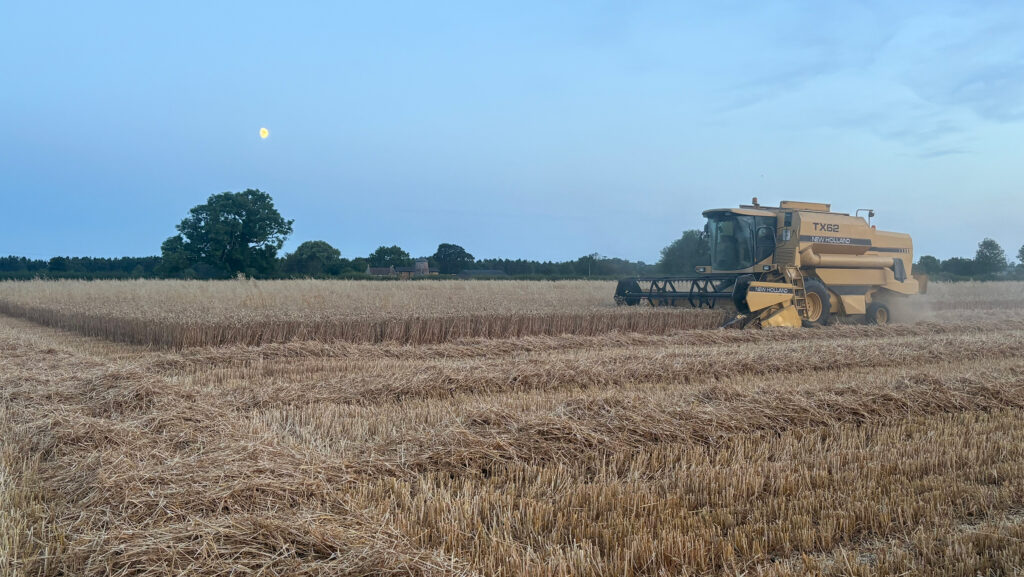
 The arable fields destined to be covered by solar panels have yielded their final harvest at Eden Farm, Old Malton, ending more than 70 years of farming by the Sturdy family.
The moment follows a long-running planning battle that has become a symbol of the growing tensions between food production and solar development on good agricultural land.
For North Yorkshire farmers Emma and Rob Sturdy, harvest 2026 will see the final cereal crop cut from the fields approved for a solar development on their 113ha tenanted holding, which is owned by the Fitzwilliam Trust Corporation, and has been farmed by their family since 1954.
See also: Tenant farmers accuse Starmer of breaking solar farm promise
Mrs Sturdy captured the emotion of the day in a video shared on X, which has now been viewed more than 300,000 times.
Our last harvest from these fields.@AngelaRayner accepted this scheme would cause “irreversible detriment” to our farming business and a significant impact on our family.
Permission was granted nonetheless.
Our last harvest. The consequence of a policy decision. 😢 pic.twitter.com/3gO5RNlKEE— @saveoldmaltoncountryside 🍃💚🍃 (@saveoldmaltonc1) July 24, 2026
“Standing in this field and watching Rob combine… this is the last time. The last time we’ll harvest them,” she said, fighting back tears.
“It sounds mad to be so emotionally attached to something, but this is part of this farm’s makeup. It’s who we are. It’s everything, and to think this is the last harvest is heartbreaking.
“But we did everything we could. Onwards and upwards.”
The family’s campaign began when Harmony Energy proposed a solar farm and battery storage scheme on land at Old Malton.
North Yorkshire Council refused planning permission in October 2023, but the decision was overturned on appeal in February 2025 when housing and planning minister Matthew Pennycook, acting on behalf of then secretary of state Angela Rayner, approved the scheme.
‘Irreversible detriment’
Despite concluding that it would cause “irreversible detriment” to the Sturdys’ farming business, ministers ruled that the benefits of renewable energy outweighed the loss and took no steps to diminish the damage to the business.
The development will take approximately 44.5ha of the farm’s best land, about 42% of the arable holding, bringing into question the future viability of the farming business.
The Sturdys subsequently launched a High Court challenge, but their bid to overturn the decision was unsuccessful, bringing their legal fight to an end.
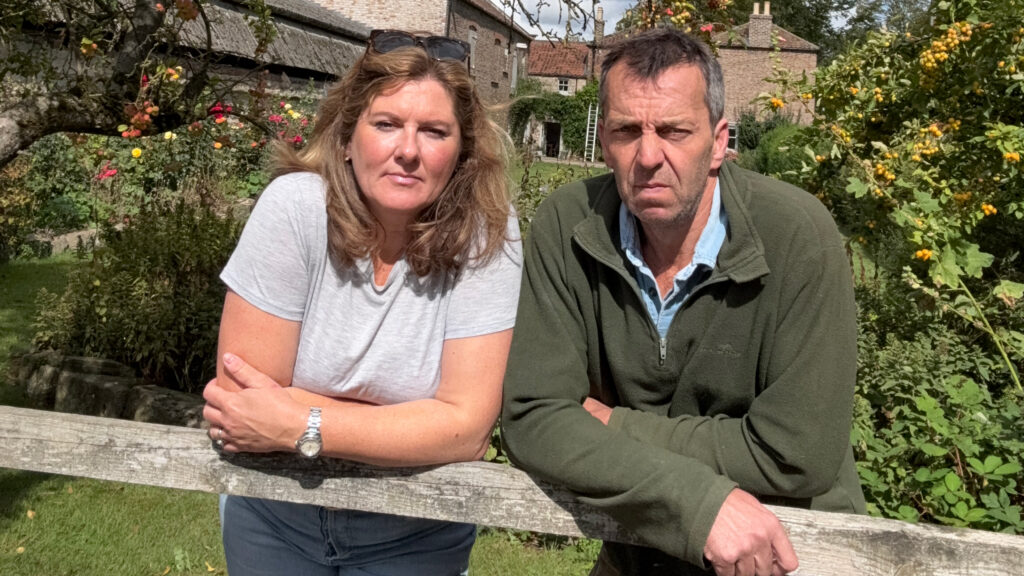
Emma and Rob Sturdy © Emma Sturdy
The family say their case has highlighted the urgent need for reform and review of tenancy compensation laws, particularly for Agricultural Holdings Act 1986 tenants.
Baroness Rock, author of the Rock Review into tenant farming in England, previously cited the Sturdys’ experience in the House of Lords while calling for urgent reform of compensation legislation.
She described their situation as “wholly unacceptable” and argued that existing laws fail to reflect the true commercial losses suffered when productive farmland is taken out of agricultural use.
The Tenant Farmers Association has also pointed to the case as evidence of the vulnerability of tenant farmers when landowners pursue renewable energy developments, warning that further protections may be needed for farming families facing the loss of substantial areas of land.
Tenant vulnerability
Mrs Sturdy told Farmers Weekly: “We wanted a fair outcome, not only for our family and our business, but for tenant farmers and the land itself.
“Our experience has exposed just how vulnerable lifetime tenant farmers can be and how the planning system fails to measures the real impact on tenants. These were tenancies we believed offered long-term security, but the reality has proved otherwise.”
She said tenant farmers must be able to benefit from the transition to renewable energy, rather than being left to bear the cost.
“This is an incredibly emotional time for us. Developments like this will happen again, but it’s vital that landlords and tenants work together in a spirit of respect, fairness and collaboration.
“We also believe planning policy on the use of the best and most productive farmland for solar development needs urgent review.”