Bullish wheat markets push new crop above £190/t
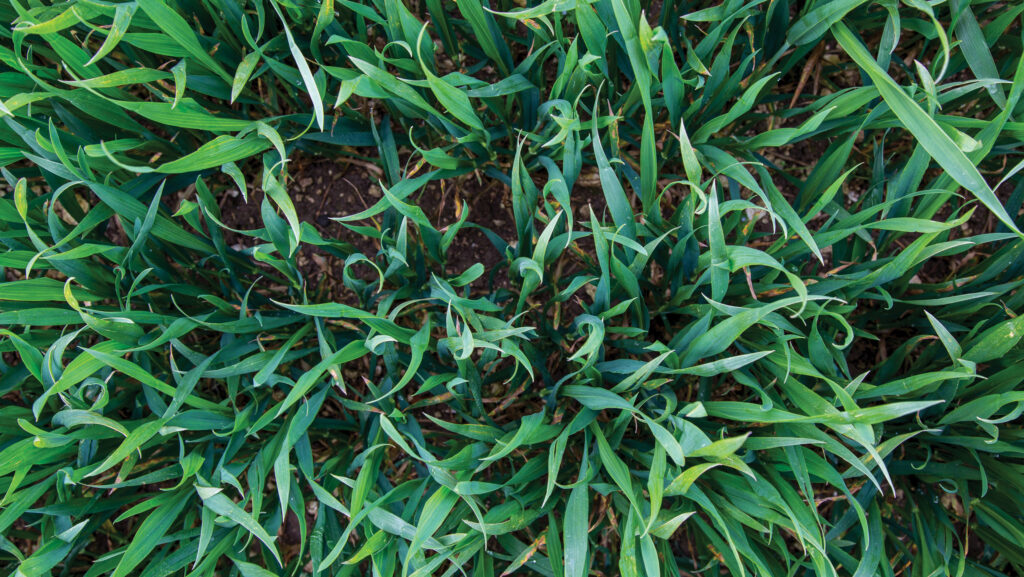 © GNP
© GNP Arable farmers were presented with a potential selling opportunity this week, as wheat markets rallied in response to the latest US Department of Agriculture (USDA) global crop estimates.
UK feed wheat futures lifted to £192/t for the November contract, up £6/t in two days, on 12 May, shortly after the USDA’s latest World Agricultural Supply and Demand Estimates report was released.
The report included the USDA’s first global supply forecasts for the 2026-27 marketing year, which were lower than many traders had expected, leading to a more bullish market.
See also: Velcourt machinery up for auction after major restructure
Global wheat production is forecast to be down 24.7m tonnes on the year at 819.1m tonnes for 2026-27.
This is predominantly driven by lower production in many of the major wheat producing countries, with the USDA predicting the largest reductions in the US, the EU, Argentina and Australia.
Mark Soderberg, grain specialist at ADM, said global wheat stocks for 2026-27 were 6m tonnes below expectations at 275m tonnes.
He added that existing 2025-26 global stocks were also lower than expected at 279.2m tonnes.
Analysts at CRM AgriCommodities said grain markets were buoyed by the supportive USDA report, with world wheat production falling by its most in eight years in 2026-27.
Meanwhile, US winter wheat production for 2026 is forecast to be down 25% on year-earlier levels.
UK crop progress
The UK winter wheat crop is generally in good condition this year, and recent rainfall across most regions has helped to alleviate concerns of potential drought stress.
However, a modest milling wheat premium of roughly £10/t over feed wheat, combined with exceptionally high fuel and fertiliser costs, is leading some growers to question whether to keep costs low and scale back field work, rather than chase premiums.
Edward Donning, head of crop nutrition at Frontier advised growers not to get caught in indecision, for example making some investment into milling wheat but ultimately not enough to hit specification.
He said: “If you’ve already got a milling contract in place, the answer is easy, but for those on the open market, it’s harder to make that choice.
“You’re in a situation where you need to weigh up your fertiliser cost against current milling premiums and, ultimately, gamble on what they might be when it comes time to sell.”