Milling wheat premiums edge higher as crop concerns mount
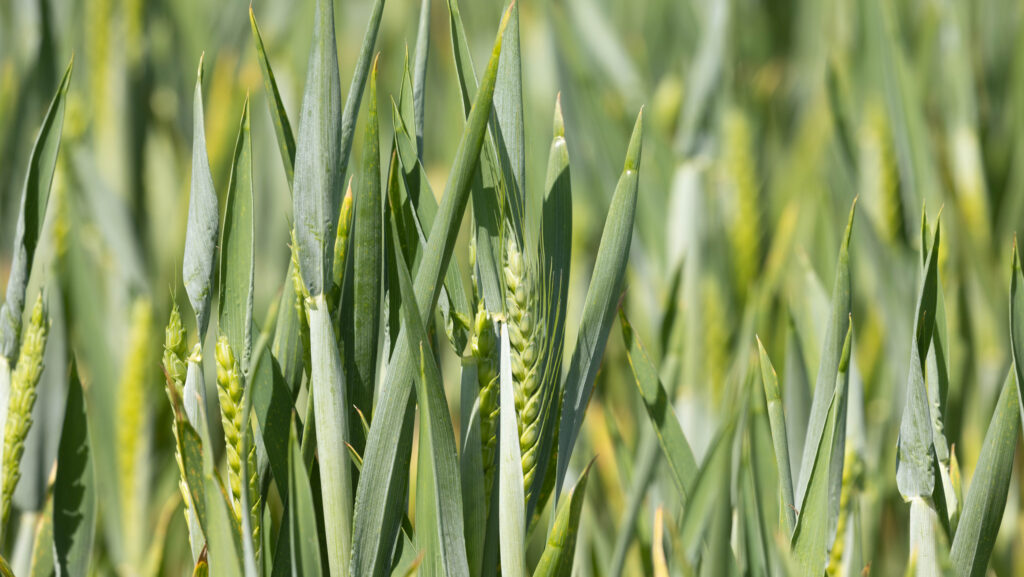 © Tim Scrivener
 The milling wheat premium over feed wheat has been relatively narrow in early 2026, at less than £10/t, although the gap has now begun to widen and may extend further in the coming months.
Grain markets have started to pick up, with several merchants offering up to £200/t for ex-farm milling wheat during the past week, extending its premium over feed wheat to roughly £15/t.
However, farmer selling is still reportedly limited for both new and old crop.
See also: Wheat markets hold firm with global crop prospects uncertain
Looking ahead to the 2026-27 crop, several factors could contribute to this gap extending further.
Firstly, soaring input costs, such as fuel and fertiliser, are likely to reduce field applications on farm, potentially resulting in a higher proportion of wheat failing to meet milling specifications.
Secondly, despite the UK crop being in relatively good condition, persistent dry weather and extreme temperatures are having an impact on progress and any drought stress may affect crop quality and yields.
It is a similar situation across Europe with the EU’s Mars crop bulletin reducing yield forecasts to 6t/ha for EU soft wheat due to dry conditions in Central and Eastern regions.
Paris milling wheat has been fluctuating at roughly €215/t (£186/t) for the September 2026 contract.
At a global level, the International Grains Council (IGC) projects 2026-27 total grain production at 2.41bn tonnes, down by 3% on the year, as a result of a smaller harvested wheat area and poorer average yields.
Traders at Dewing Grain say the fundamental case is getting stronger not weaker, with global stocks tight, high energy prices and the weather deteriorating across multiple origins.
The increased likelihood of an El Nino weather event is also still weighing on markets.
James Tyler, weather and crop researcher at market insight firm Expana, said: “These atmospheric shifts can increase the chance of droughts, floods, and heatwaves across multiple regions worldwide.
“While temperature effects may begin to emerge in late 2026, El Nino is more likely to contribute to notably higher global temperatures in 2027.”
Mr Tyler added that the impact of El Nino varies between regions, with it potentially reducing the chance of drought in the US, but likely to increase chances of drought in South-east Asia, which could threaten crop production in 2026 and 2027.