Rainfall brings relief to parched crops following dry spell
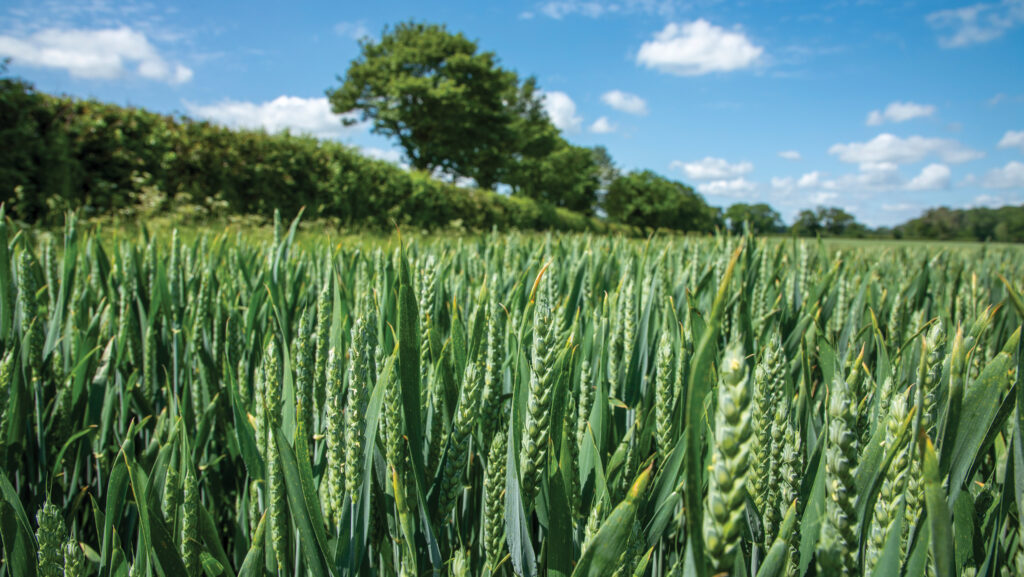 © GNP
© GNP Growers have welcomed widespread rainfall across much of the UK this week, helping to alleviate crop concerns following a remarkably dry spring.
This year has been the warmest spring on record for England and Wales, according to the Met Office.
Southern England recorded just 50% of its average spring rainfall, while Northern England saw 90% of its seasonal average.
See also: Milling wheat premiums edge higher as crop concerns mount
Farms in the south-east have been particularly dry, with Suffolk, Kent, Essex and Cambridgeshire all receiving roughly a third of typical rainfall.
In contrast, Scotland has had a slightly wetter spring than usual.
Helen Wakeham, director of water at the Environment Agency and chairman of the National Drought Group, said that while no parts of England were currently in drought, the risk increased the longer it remained hot and dry.
The lack of rainfall has hit spring plantings hardest, with drought stress and poor crop establishment reported in parts of the UK.
The prolonged dry spell has also taken its toll on winter plantings, with just 64% of winter wheat currently rated as in either good or excellent condition, according to the AHDB’s latest crop progress report, down from 74% a month ago.
Winter barley crops have also been strained, falling from 70% to 62% rated as good or excellent in the past month.
Winter oilseed rape has generally fared better with good yield potential and, despite quality falling slightly on the month, almost 80% remains classed as good or excellent.
Helen Plant, lead analyst at the AHDB, said: “The dry conditions through April and much of May have clearly taken a toll on crop development, particularly for spring crops and winter cereals with limited moisture reserves.
“While recent rainfall has helped in some areas, it hasn’t been enough to fully reverse earlier impacts, and variability across regions remains a key feature of this season.
“The next few weeks will be critical. With many crops currently rated in ‘fair’ condition, there is still potential to support yields if further rainfall arrives, but the window for recovery – especially for winter cereals – is narrowing.”
Persistent dry weather has also had an impact on crops in the EU, with the EU Commission recently reducing its soft wheat, barley and maize production estimates ahead of harvest.
Met Office scientist Dr Emily Carlisle said: “This spring shows some of the changes we’re seeing in our weather patterns, with more extreme conditions becoming more frequent.
“The fact that nine of the 10 warmest springs in England have occurred since 2007 illustrates this ongoing shift in the UK’s climate.”
Demand for old crop
Traders at Frontier say prices for old crop remain firm for UK growers as late season demand continues to offer support.
However, it adds that recent rainfall has improved crop conditions, potentially easing concerns related to dry weather.
UK feed wheat futures for November 2026 dropped by £6/t on the week to open at £183.25/t on 3 June.
Independent grain adviser Richard Whitlock says the Middle East conflict and the weather are playing their part in affecting farm incomes, with production costs rising sharply but grain prices not rising by enough to offset these costs.
UK cereal supply and demand estimates expect lower wheat stocks going into the next crop marketing year.
This is partly due to increased cereals usage for animal feed, and demand for wheat returning at the Ensus bioethanol plant since it resumed operations in April.
The numbers
65% Percentage of average rainfall recorded in England this spring
64% Percentage of winter wheat crop currently in good to excellent condition
£183.25/t UK feed wheat futures on 3 June for November 2026 contract