Wheat rallies as Black Sea exports stall
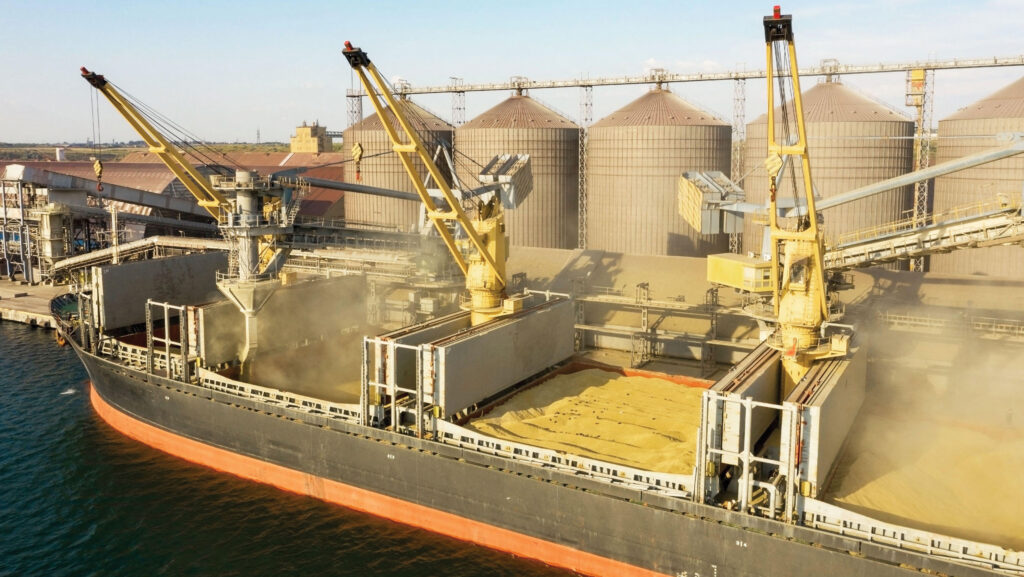 © Elena Larina/Alamy Stock Photo
 Grain markets have continued to strengthen, driven by adverse weather and ongoing disruption to Russian and Ukrainian exports.
London wheat futures reached a contract high of £208/t for November delivery on 26 August, up from £177.25/t at the end of June.
The International Grains Council (IGC) cut its global wheat production forecast by 4m tonnes to 817m tonnes, while reducing projected carryover stocks by the same amount to 275m tonnes.
“Due to sustained heat, outlooks have deteriorated further in Europe, with the EU projection cut for a second month in a row,” the IGC said in its latest report.
See also: UK farmers face double blow on grain supplies and yields
It also highlighted the effect of conflict in the Black Sea region. “Amid heightened security risks, deep-sea exports from Russia [Novorossiysk] and Ukraine are effectively at a standstill.
“Shipping suspensions have so far mainly affected wheat flows, with exports since the intensification of hostilities in mid-July estimated to be about 4m tonnes lower than normal,” the IGC said.
Importers are beginning to switch to alternative origins, according to Harry Randell of Dewing Grain. Romanian and Baltic wheat continue to attract demand, while Sudan and Morocco have reopened their markets to French wheat.
Yield concerns
Crop production concerns are also underpinning prices. Official forecasts continue to lag behind local assessments, with the European Commission’s MARS service cutting its EU maize yield estimate from 6.93t/ha to 6.61t/ha.
In the US, the Pro Farmer Crop Tour estimated the maize yield at 173.2 bushels/acre, well below the US Department of Agriculture’s latest forecast of 180.7 bushels/acre.
“The September USDA report, when it incorporates these deteriorating conditions, has the potential to be a significant market mover,” said Mr Randell.
Barley markets have largely followed wheat higher, although the gap is narrowing in south-west England as forage shortages are boosting demand from livestock producers and supporting local prices.