Fertiliser market remains ‘firm but volatile’
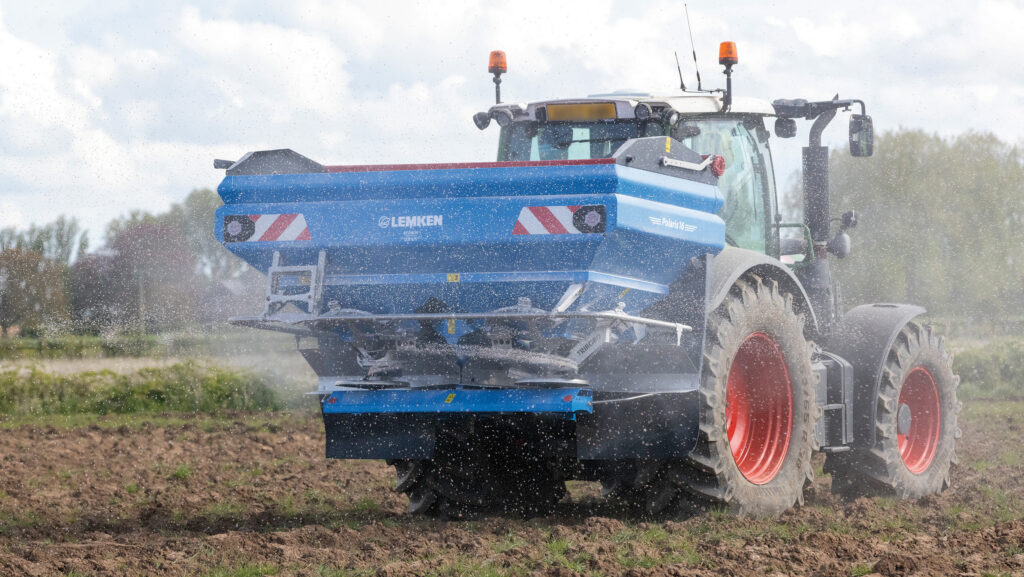 © GNP
© GNP Fertiliser prices remain firm, but volatile, with little sign of any real easing as conflicts in the Middle East and Black Sea regions continue to drive the markets.
UK ammonium nitrate prices reached £484/t delivered at the end of September, up £91/t on last year, and £12 up on the week, while imported values saw similar uplifts – to £488/t on farm, according to AHDB monitoring.
See also: Find all our market information in one place
But the most significant price rises across the year have been seen in triple super phosphate – up £121 to £641/t – and diammonium phosphate – up £104 to £795/t.
Similar uplifts were seen across the year for granulated urea (+£56/t), liquid urea ammonium nitrate (+£78/t), and nitrate sulphur (+£94/t), suggesting that few fertiliser options are safe from global influence.
The recent AHDB fertiliser update identifies volatile energy markets as a key driver, alongside bottlenecks in supply and demand. The continued disruption to Gulf energy supplies has impacted on manufacture capabilities, while Russian fertiliser and raw material exports have also reduced.
Stuart Goodinson, general manager at Orion Farmers, said: “China has also reduced exports, and India is tendering every other month to buy urea, with volumes increasing, meaning there’s less resource available.
“Under normal circumstances the global market could cope with these changes in demand, but with the shortage of raw ingredients – being restricted or expensive – it cannot be fulfilled and will keep driving the price up.”
Outlook
Looking further ahead, the forthcoming carbon border adjustment mechanism (Cbam) tax, which comes into force on 1 January, could also add 6-7% to existing prices.
“UK farmers are trying to get fertiliser delivered before 31 December to avoid the tax,” said Mr Goodinson. “We are not really seeing the price increase yet, but it will start to have an influence in the next quarter.”
However, there is a small light at the end of the tunnel. “There are methods coming through that don’t rely on fossil fuels, with some companies producing nitrogen using greener methods like solar and water energy,” said Mr Goodinson.
Although currently niche, production is increasing slowly which could ease matters in the longer term.