Fertiliser prices firm as nitrogen supply concerns mount
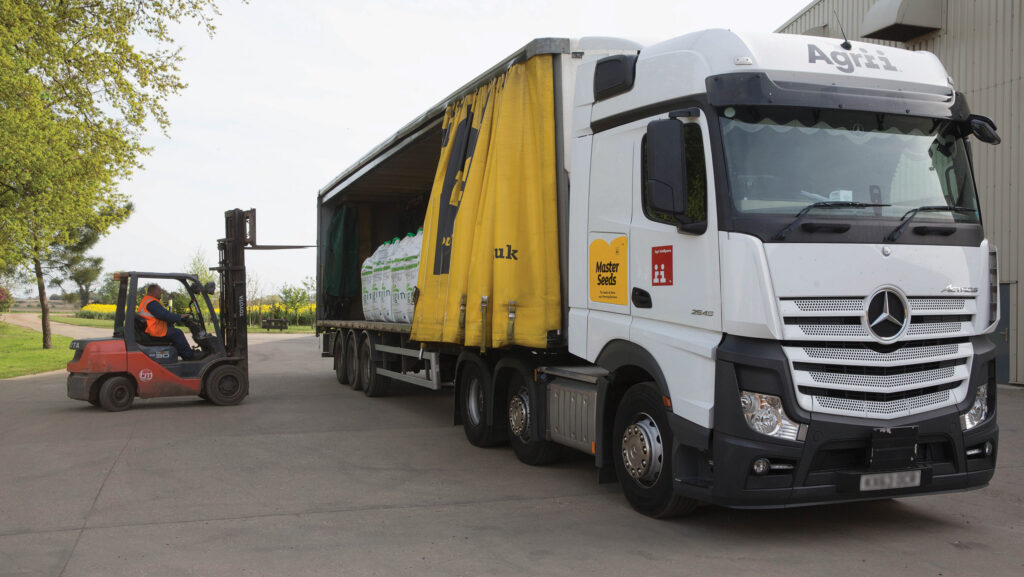 © Tim Scrivener
UK fertiliser prices are largely unchanged, according to the AHDB’s latest market assessment, but rising gas costs, geopolitical uncertainty and concerns over future nitrogen availability are keeping the market firm.
Granular urea averaged £482/t in the week to 23 October, up £2/t on the previous week, while UK-produced ammonium nitrate (AN) rose £1/t to £486/t.
See also: Fertiliser tariff cuts will barely ease farm costs, NFU says
Imported AN remained at £490/t, with urea ammonium nitrate easing £1/t to £402/t. Muriate of potash and diammonium phosphate were also unchanged at £370/t and £794/t respectively.
Merchant operation Frontier said urea trading had been subdued over the past week, following a price rally driven by higher production costs and increased farm buying.
European gas prices continue to climb amid uncertainty over the Middle Eastern conflict, increasing production costs for nitrogen manufacturers.
Frontier warned this could force European plants reliant on gas to reduce output, putting further upward pressure on nitrate markets.
Michael Pater, managing director at Origin Soil Nutrition, said supply and demand were the main drivers of nitrogen prices, rather than the forthcoming Carbon Border Adjustment Mechanism (Cbam).
Demand outweighing supply
High gas prices are weighing heavily on European producers, particularly those manufacturing AN and calcium ammonium nitrate (CAN).
With European and Scandinavian buyers expected to be active, Mr Pater warned that supply could struggle to meet demand in February and March, putting further upward pressure on prices.
He advised farmers requiring AN, CAN and other nitrate products to secure their first applications sooner rather than later, with high prices expected to continue into 2027.
Urea prices are also expected to rise, with tight availability and disruption around the Strait of Hormuz contributing to a $20-30/t increase in free-on-board prices in recent weeks, Mr Pater said.
Cbam comes into effect on 1 January 2027, but its initial impact is expected to be limited by the 97.5% free allowance. Mr Pater believes it is unlikely to be a significant driver of price increases.
The government’s suspension of import tariffs on certain fertilisers until December 2027, announced in last week’s Budget, is also expected to have little immediate effect.
The AHDB says most UK AN and granular urea imports already come from countries not subject to the duties.
Mr Pater added that the tariff change is unlikely to affect the current season significantly, although it could offer some benefit for supplies sourced for next season.
He urged farmers to move to secure this season’s requirements and “take deliveries when available to avoid bottlenecks”, warning that limited port storage could make it difficult to bring in additional product if demand surged.